I remember the moment vividly. Sitting in my bathroom mirror, examining a chipped tooth I’d rushed to fix with a quick composite bonding—a decision I thought was economical at the time. Fast forward a few years, and I was faced with the harsh reality: that repair didn’t hold up like I expected. The underlying flaw was still there, and the bonding had started to stain and chip away.
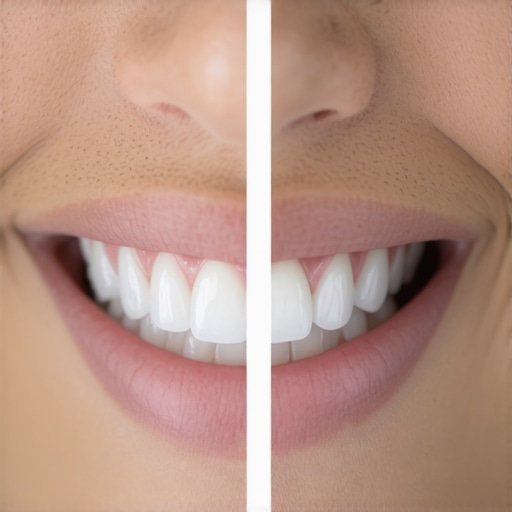
This lightbulb moment got me digging into the world of cosmetic dentistry, especially the comparison between porcelain veneers and composite fixes. I learned that, as of 2026, porcelain veneers are proving to be not only more durable but also more aesthetically pleasing over the long haul. It’s a game-changer for anyone considering their smile options, whether for confidence or dental health.
Today, I want to share what I’ve discovered so you don’t make the same mistake I did. We’ll explore why porcelain veneers tend to outlast composite resin fixes—and how you can make an informed decision for your smile that saves money and stress in the long run.
The Real Difference: Durability and Longevity in 2026
When I initially opted for composite restoration, I thought I was being practical. But over time, I found that composite veneers, while cost-effective and quick to apply, often require replacement or repairs within 5 to 7 years. Meanwhile, porcelain veneers, though more of an upfront investment, tend to last 15 years or more with proper care. This stark difference was eye-opening—and I’ve seen firsthand how it affects both your confidence and your wallet.
Based on the latest dental research, porcelain’s superior strength and resistance to staining make it the ideal long-term solution for a dazzling, durable smile. If you’re curious about how these materials stack up, this comparison article offers a detailed breakdown that might surprise you.
Have you ever experienced a dental fix that didn’t last as long as you hoped? Recognizing these pitfalls is the first step toward a smarter, more lasting investment in your smile.
Is the Hype About Veneers Overblown?
Back when I first looked into veneers, I fell prey to misconceptions. I assumed that veneers were just for Hollywood glam and that they wouldn’t last. Early on, I made the mistake of trusting a dentist who didn’t emphasize maintenance or the quality differences—something I now know is critical. Today, I recommend doing thorough research, like reading reputable sources on latest innovations, to understand what truly makes veneers superior in 2026.
Start with a Comprehensive Dental Assessment
Before committing to porcelain veneers, schedule a thorough dental check-up. Your dentist will evaluate your oral health, identify any underlying issues like cavities or gum disease, and determine if veneers are suitable. Remember, healthy gums and teeth are the foundation for successful cosmetic upgrades.
Maintain Optimal Oral Hygiene Practices
Consistent brushing, flossing, and using an antiseptic rinse are essential. Use a soft-bristled toothbrush to prevent enamel erosion, and consider an electric toothbrush for thorough cleaning. Proper oral hygiene minimizes plaque buildup, preventing decay that can threaten your veneers’ lifespan.
Choose Quality Materials and Skilled Professionals
Invest in high-quality porcelain and ensure your dentist has extensive cosmetic dentistry experience. Skilled practitioners craft veneers precisely, reducing risks of chipping or misfit. Check reviews and their portfolio; this step pays off in durability and aesthetics.
Adopt Beverage and Dietary Habits that Protect Your Smile
Limit staining agents like coffee, red wine, and dark-colored berries. Use a straw when consuming such drinks to minimize contact with veneers. Avoid hard foods like ice or tough candies that could crack the porcelain. Think of your veneers like fine china—handle them with care to extend their beauty.
Schedule Regular Professional Cleanings and Check-Ups
Visit your dentist at least twice a year for cleanings that remove tartar and plaque. During these visits, ask about adjusting your home care routine. Regular visits help catch and address issues before they compromise your veneers, extending their usable life.
Address Any Dental Issues Immediately
If you experience sensitivity, chipping, or discoloration, don’t delay treatment. Early intervention prevents minor problems from escalating into costly repairs or replacements. Think of this as fixing a small crack in a windshield before it spreads—timing is everything.
Use Mouthguards for Protection During Activities
If you participate in sports or grind your teeth at night, wear a custom-fitted mouthguard. These protect your veneers from impact and reduce the risk of damage. Consider it an insurance policy for your investment in a dazzling smile.
Be Mindful of Habitual Behaviors
Avoid habits like nail-biting or pen-chewing that exert unnecessary pressure on your teeth and veneers. Developing healthier habits preserves both natural teeth and cosmetic restorations, ensuring they last longer.
By following these concrete steps, you significantly increase the lifespan of your porcelain veneers. For more detailed insights into modern cosmetic dentistry strategies, explore how latest innovations can enhance your smile’s durability and appearance.
Many people assume they know the basics of oral care, but beneath the surface lie misconceptions that could be quietly undermining your dental health. One common myth is that brushing harder cleans better—however, aggressive brushing can erode enamel and damage gums, increasing sensitivity and risk of cavities. Instead, gentle yet thorough brushing, combined with proper flossing techniques—like using dental floss or interdental brushes—can significantly improve results, as emphasized by experts in oral hygiene best practices.
Another trap is relying solely on whitening products without understanding their nuances. Over-the-counter whitening kits can cause sensitivity or enamel erosion if misused, especially when used excessively or improperly. Professional whitening treatments, backed by clinical studies such as those referenced in the Journal of Dentistry, are calibrated to minimize risks and deliver safer, longer-lasting results. Educating yourself on the differences can prevent costly mistakes and protect your smile.
From a family dentistry perspective, many underestimate the importance of early preventive visits. Regular check-ups aren’t just for addressing problems—they’re crucial for catching early signs of decay, misalignment, or gum issues that might be invisible at home. As outlined in our guide on effective family dental strategies, establishing these habits early fosters a foundation for lifelong oral health. Skipping or delaying these appointments can lead to hidden issues that become more complex and expensive over time.
Now, for the more advanced readers, you might ask: How do microscopic plaque differences influence cavity formation despite similar brushing routines? Recent studies suggest that bacterial composition and biofilm structure play a pivotal role. This nuanced understanding underscores why some individuals develop caries despite good oral hygiene—it’s not just about surface cleaning but also about disrupting pathogenic bacterial communities. Staying informed with the latest research is vital for crafting effective oral health strategies, as discussed in the latest dental innovation reviews.
It’s easy to fall into these pitfalls especially when surrounded by conflicting information. To truly optimize your oral health, consider looking beyond the surface. Regular professional cleanings, tailored flossing routines, and understanding advanced risks like bacterial biofilms are keys that unlock better dental outcomes. For more in-depth insights on debunking myths and embracing cutting-edge techniques, check out our article on common oral health myths and what you need to know in 2025.
Have you ever fallen into this trap? Let me know in the comments.
Maintaining oral health requires more than just brushing and flossing; it involves leveraging the right tools and techniques to ensure long-term success. As someone committed to a lifelong journey of dental wellness, I’ve curated a set of tried-and-true instruments and methods that help me keep my smile in top condition. In this section, I’ll share the specific equipment and practices I recommend for lasting results.
Electric Toothbrushes for Gentle Yet Effective Cleaning
I personally use the Oral-B Genius X electric toothbrush because its quadrant pacing and pressure sensors prevent over-brushing, reducing enamel wear and gum recession. Unlike manual brushes, electric models can achieve a more consistent plaque removal, especially around tricky areas like molar pits. Furthermore, models with smart technology log your brushing sessions, encouraging better habits over time. According to recent research, electric toothbrushes can reduce plaque significantly better than manual ones, which is essential for maintaining veneers and natural teeth alike.
Ultrasonic Cleaners for Deep Dental Hygiene
For those invested in long-term oral health, ultrasonic dental scalers like the SonicVibe Pro become invaluable. I use it weekly to disrupt stubborn biofilms that regular brushing might miss. This device utilizes high-frequency vibrations to dislodge plaque from hard-to-reach areas, making subsequent brushing more effective. Such tools are especially beneficial for maintaining the health of orthodontic appliances or after cosmetic procedures, preventing the buildup of plaque that can cause decay or staining.
Water Flossers for Sensitive Gums
I find the Waterpik Water Flosser indispensable, particularly for cleaning around veneers and crowns. The gentle water jets remove debris without traumatizing delicate tissues or risking damage to restorations. Regular flossing is essential, but water flossers provide an effortless alternative for those with limited dexterity or sensitive gums. Studies suggest that water flossers can significantly reduce bleeding and inflammation, promoting healthier gums, which directly supports the longevity of your dental work.
High-Quality Mouthwashes for Fortified Defense
My go-to is the prescription-grade rinse containing chlorhexidine; it’s used sparingly due to its strong effects but is excellent for preventing bacterial overgrowth after professional cleanings or cosmetic treatments. I also incorporate alcohol-free variants to prevent dryness, which can compromise periodontal health. Consistent use of the right mouthwash can help control plaque levels, prevent stains, and freshen breath—crucial factors in the maintenance of a dazzling, healthy smile.
Embracing Future Trends: Custom Digital Scanning
Looking ahead, digital intraoral scanners are revolutionizing how we approach dental maintenance. These devices create precise 3D models of your mouth, enabling personalized cleaning plans and early detection of issues like enamel erosion or early caries. I believe integrating such advanced diagnostic tools will be standard in the coming decade, making preventive care more proactive and tailored. Combining these with advanced software, like AI-powered dental analysis, will take oral health management to new heights.
To optimize your routine, I highly recommend trying out a high-quality ultrasonic scaler or adopting a water flosser if you haven’t already. These tools, paired with consistent professional check-ups, can dramatically extend the lifespan of your dental restorations and natural teeth. Remember, investing in the right equipment today pays off in a healthier, more confident smile tomorrow.
Looking back, the most profound lesson I’ve learned about maintaining a healthy, beautiful smile is the importance of investing in quality from the start. Skimping on materials or skipping routine check-ups might save money upfront, but it often costs more in the long run—both financially and in confidence. Understanding that porcelain veneers outlast composite options by a significant margin has shifted my mindset towards prioritizing durability and long-term care. Additionally, embracing advanced tools like ultrasonic scalers and digital scans has supercharged my oral health routine, leading to fewer surprises and better results. The takeaway? Genuine smile care combines smart choices, consistent habits, and a willingness to stay informed about emerging technologies. This holistic approach has been a game changer for me, and I hope it inspires you to reevaluate your own dental habits.
This post really highlights how important durability and proper maintenance are when it comes to cosmetic dentistry. I’ve seen friends who opted for composite bonding early on and needed replacements multiple times, which was costly and frustrating in the long run. I personally had porcelain veneers placed a few years ago, and the difference in longevity is noticeable—plus, I love how natural they look after regular care. Your advice on avoiding habits like nail-biting and wearing mouthguards is spot on; I’ve found that even seemingly minor habits can impact the lifespan of dental work over time. It’s encouraging to see that with the right routine and high-quality materials, veneers can really stand the test of time. For those considering their options, how do you all approach selecting a skilled dentist—are reviews or portfolios the most helpful in your decision-making process? I’d love to hear your tips on finding trustworthy professionals who can deliver both quality and durability.