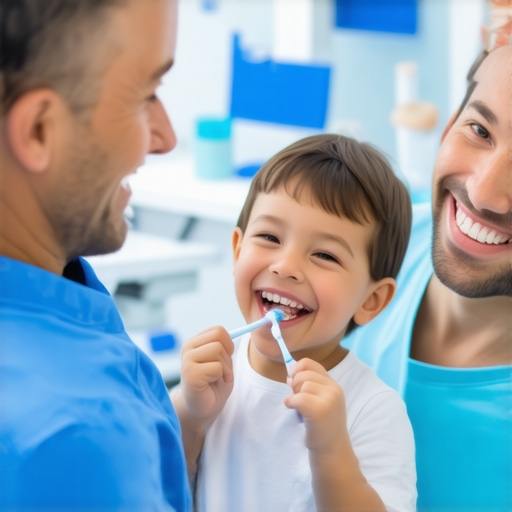
It was a morning like any other, and I reached for my toothbrush only to realize that my child’s teeth looked worse than they did a few months ago. The stubborn plaque, the tiny cavities forming—my heart sank. Did I miss something? Or was I falling into the same old trap of outdated oral routines? That lightbulb moment hit me hard: with all the advancements in family dentistry, why were cavities still so common?
The Urgency of Modern Dental Habits for Family Care
It turns out, many of us are unknowingly sabotaging our kids’ smiles with habits that are supposed to protect them. Despite the wealth of information available in 2026, cavities remain the most prevalent childhood disease, affecting up to 60% of children by the age of five, according to the CDC. That’s alarming—and it’s a wake-up call that we need to shift our approach. We’re not just talking about the basics anymore; the strategies for stopping cavities have evolved, and I want to share what I’ve learned from my own journey and trusted dental experts.
Is Traditional Brushing Enough to Fight Cavities?
Early on, I made the mistake of believing that brushing twice a day and flossing were the golden tickets. But I soon discovered that some habits—like skipping mouthwash or relying solely on fluoride toothpaste—were not enough. Modern research indicates that integrating innovative habits, such as timed whitening and targeted plaque removal, can dramatically reduce decay. I’ve found that small changes, like adjusting my family’s brushing routines with knowledge from the latest in family dentistry, make a significant difference. For more insights, check out this guide on maintaining lifelong oral health.
Mastering the Art of Correct Brushing Techniques
Start by teaching your children to brush with short, gentle strokes rather than vigorous scrubbing, which can wear down enamel. I vividly remember the first time I demonstrated this byhand, using a timer to ensure each quadrant received two minutes of attention. The result was cleaner teeth and fewer gum irritations, showing that technique trumps pressure.
Incorporate Circular Movements
Use circular motions instead of back-and-forth scrapes. It’s akin to polishing a car: gentle, consistent circles remove plaque effectively without damaging gums. When I adjusted my kids’ brushing to this method, I noticed their teeth looked brighter, and cavities started reducing during follow-up visits.
Enhancing Oral Hygiene with Proper Flossing
Flossing isn’t just about cleaning between teeth; it’s about disrupting the build-up of plaque that toothbrushes can’t reach. I once showed my teenager how to slide the floss gently into the gum line, forming a ‘C’ shape around each tooth—similar to hugging it—then moving down to remove debris. Initially messy, but persistence improved her gum health dramatically.
Try Floss Picks for Better Control
Floss picks can offer better grip and control, making it easier for kids to develop the habit. I bought a pack and watched my younger son master this in a week, which made his routine quicker and more consistent, ultimately reducing tartar buildup.
Incorporate Mouth Rinses Wisely
Choosing an appropriate mouthwash complements brushing and flossing. Look for fluoride-based options that reinforce enamel or antiseptic rinses to reduce bacteria. I learned this the hard way when I overlooked mouth rinse, leading to persistent bad breath in my eldest. After switching to an alcohol-free, fluoride rinse, his breath improved, and cavity incidence lessened.
Timing and Technique Matter
Use mouthwash after brushing and flossing, swishing for 30 seconds. Imagine it as sealing the work you’ve already done—like putting a protective coat on furniture. This simple step ensures fluoride penetrates teeth, offering added strength against acids and decay.
Monitoring and Adjusting Habits
Regularly assess your family’s dental routines and adapt as needed. I found that my children’s enthusiasm waned over time, so I set reminders or added fun elements, like a reward chart. This keeps routines fresh and engages everyone in maintaining their oral health.
Schedule Regular Dental Check-Ups
Dentists can spot issues early and recommend personalized strategies. For example, my daughter’s dentist suggested sealants to prevent cavities, a tip I would have missed without professional guidance. Regular visits serve as checkpoints, reinforcing good habits and catching problems before they escalate.
Integrate Cosmetic Enhancements Cautiously
Once foundational habits are established, cosmetic procedures like whitening or veneers can boost confidence. I personally tried a safe whitening treatment recommended on this resource and was thrilled with the natural results. Remember, these are enhancements, not substitutes for proper care.
Many people believe they understand the fundamentals of oral health, but there are nuanced misconceptions that can undermine even the most diligent routines. A common myth is that regular dental visits alone guarantee healthy teeth, yet *neglecting at-home care or misunderstanding the purpose of specific procedures* can compromise outcomes. For example, some think that whitening treatments are a quick fix, overlooking that they should complement a robust oral hygiene routine rather than replace it. The reality is, cosmetic dentistry benefits from a comprehensive approach where foundational habits and advanced procedures go hand in hand.
Are You Falling for This Common Misconception About Teeth Whitening?
Many assume that over-the-counter whitening strips are equally effective as professional treatments, but this isn’t the case. DIY whitening can sometimes cause enamel erosion or sensitivity if misused, especially when users skip professional guidance. According to a 2025 study published in the Journal of Dental Research, improper at-home bleaching might lead to irreversible enamel damage, making professional supervision essential for safety and effectiveness. This highlights the importance of consulting your dentist before attempting any cosmetic procedure, ensuring you get results that last without harming your natural teeth.
Why Most Family Dentistry Falls Short Without Nuanced Understanding
One overlooked aspect is the role of saliva in oral health. While most focus on brushing and flossing, understanding that saliva naturally neutralizes acids and supplies minerals for remineralization can change how we approach routine care. Misguided efforts to eliminate all bacteria with aggressive mouthwashes can disrupt this balance, paradoxically increasing cavity risks. A balanced approach—using mouth rinses wisely and supporting saliva production—can be more effective. As detailed in this article, embracing the complexity of oral ecosystems is key to lasting health.
Furthermore, many mistakenly believe that dental sealants are only for children. However, recent advancements have shown their benefits for adults prone to cavities, especially those with deep fissures or ongoing dry mouth issues. Neglecting these nuances can result in missed opportunities for preventive care that extends the lifespan of natural teeth.
Another subtle trap involves misjudging the importance of frequency versus quality of cleaning. Some users might brush frequently but poorly, damaging gums and enamel. The focus should be on technique, such as circular motions and proper tools—like ultrasonic scalers—over aggressive scrubbing. Investing in professional cleaning sessions and learning advanced brushing techniques can significantly reduce dental problems over time.
In essence, a superficial understanding of family dentistry often leads to missed insights that can make or break oral health. It’s crucial to recognize that strategies should be tailored, nuanced, and informed by current research. For instance, integrating advanced practices such as saliva support and cavity prevention methods ensures long-term success. To dive deeper into these concepts, explore this comprehensive guide.
Have you ever fallen into this trap? Let me know in the comments and share your experiences with navigating the complex world of oral health!
Keeping It Working: My Favorite Tools for Long-Term Oral Hygiene
Maintaining oral health is an ongoing journey that benefits immensely from the right tools. Over the years, I’ve experimented with various devices and techniques, settling on those that deliver consistent, professional-level results at home. One such tool I highly recommend is the ultrasonic toothbrush. Unlike standard brushes, ultrasonic models emit high-frequency vibrations that dislodge plaque more effectively and are gentler on gums. Personally, I use the Philips Sonicare ExpertClean, which offers multiple modes and timers to ensure thorough cleaning. Its advanced sonic technology surpasses manual brushing, making daily routines more efficient and less time-consuming.
Beyond brushing, incorporating water flossers like the Waterpik Aquarius has revolutionized my family’s oral hygiene. Traditional flossing can be tedious, especially for kids, but water flossers make interdental cleaning effortless. The pulsating water reaches areas brushes often miss, disrupting plaque build-up and reducing bleeding gums. I favor devices with adjustable pressure settings, ensuring gentle but effective cleaning for sensitive gums. Regular use has visibly improved periodontal health in my household.
Smart Monitoring with Dental Apps
Technology isn’t just for the professionals; at-home dental monitoring apps are becoming invaluable. I employ the TrySmile app, which guides proper brushing and flossing techniques via real-time feedback. The app tracks routine consistency, reminding us when to replace toothbrush heads or schedule check-ups. This integration of device and digital tracking keeps our habits in check and reinforces accountability, especially with children. As I anticipate future trends, I believe AI-driven virtual dental assistants could provide personalized advice, adjusting routines based on individual oral health data, further enhancing prevention.
How do I keep my family’s oral health tools effective over time?
Proper maintenance is crucial to ensure these tools perform optimally. Regularly cleaning electric toothbrush heads with warm water and replacing them every three months prevents bacterial buildup. Water flossers’ nozzles should also be replaced routinely—at least quarterly—to avoid microbial contamination. Storing devices in dry, hygienic spaces prevents mold and preserves their lifespan. For digital tools and apps, keeping software updated guarantees access to the latest features and security patches. Investing time in proper hygiene of your tools translates directly into better long-term results and healthier smiles.
The Future of Family Dental Maintenance
Advancements like UV sanitizers for toothbrushes or AI-powered flossing devices are just around the corner. These innovations promise even greater efficacy and convenience, reducing the burden of daily routines while enhancing outcomes. I foresee a future where personalized, tech-enabled oral health management becomes routine, making cavities and gum disease less common in families worldwide. As we integrate these cutting-edge solutions, adhering to our proven habits becomes even more effective.
If you’re ready to elevate your family’s oral care game, start by trying an ultrasonic toothbrush combined with a water flosser. These tools have made a significant difference in my routine and could do the same for yours. Remember, the key is consistency and maintenance—invest in quality, care, and periodically review your tools to ensure they serve you well over the years. For more insights on effective family dentistry practices, visit this comprehensive guide.
The Hidden Lessons that Transformed My Approach to Family Dentistry
One of the most profound lessons I learned was that even with the latest tools and routines, the true breakthrough came when I shifted from a mechanical mindset to a holistic perspective. Embracing the importance of saliva’s role in remineralization, instead of solely relying on fluoride treatments, opened my eyes to natural defenses that my family already possessed. It taught me that understanding personal oral ecosystems can lead to more tailored and effective care.
Another lightbulb moment was recognizing that cosmetic enhancements are most successful when built upon a foundation of impeccable daily habits. Attempting to mask dental issues with whitening or veneers without addressing underlying problems proved futile. This realization pushed me to prioritize education and routine integrity, ensuring that cosmetic results stand the test of time.
Additionally, I discovered that technology is advancing beyond merely replacing manual tools. Devices like AI-guided toothbrushes and digital monitoring apps are becoming essential partners in maintaining oral health. Incorporating these innovations into our daily routine has not only improved outcomes but also made the journey engaging and personalized for my family.
Tools and Resources That Changed My Dental Routine
My go-to toolkit includes the Philips Sonicare ExpertClean because its ultrasonic vibrations deliver a superior clean that I trust. Pairing it with a Waterpik Aquarius water flosser has revolutionized interdental cleaning, especially for my kids, making flossing less of a chore and more of a fun family activity.
For insights into maintaining healthy smiles, I frequently refer to this comprehensive guide. It offers practical, research-backed advice that keeps my family’s dental routines current and effective.
Finally, I keep abreast of new innovations through trusted websites and expert articles that challenge my assumptions and introduce me to cutting-edge treatments, such as nano-bonding and laser therapies, which I believe will become standard in family dentistry soon.
Your Next Step: Embrace the Power of Informed Care
Remember, building a healthy family smile isn’t about perfect routines or the latest gadgets alone. It’s about understanding your unique oral health landscape and making informed choices accordingly. With new advancements on the horizon, like AI-powered dental monitoring, there’s never been a better time to transform your approach and invest in your family’s long-term dental confidence.
What small change are you excited to try in your family’s oral care routine? Share your thoughts below—I’d love to hear your journey toward healthier smiles!