I remember the exact moment I realized traditional string floss just wasn’t cutting it anymore. It was a chaotic Saturday morning, trying to squeeze through the bathroom to grab my floss before my kids started fighting over the TV remote. As I struggled to maneuver that thin, unwieldy strand between my teeth, I couldn’t help but think—there has to be a better way. That lightbulb moment led me down a rabbit hole of new oral health technologies and, honestly, I was surprised to find how quickly smart flossers are transforming our daily routines.
The Shift from String to Smart Flossing: Why It Matters
Is Your Current Flossing Routine Really Enough?
Many of us grew up with the classic reel of string floss, thinking it was the gold standard for clean teeth. But here’s the truth: studies show that over 50% of people don’t floss daily or do it effectively. Early on, I made the mistake of rushing through flossing without reaching all the tricky spots, thinking I was doing enough. That oversight probably contributed to early signs of gum bleeding — a red flag I wish I hadn’t ignored. Today, newer tools like smart flossers promise not only to make flossing easier but also more effective. They use sensors and guided technology to ensure a thorough clean, potentially reducing the risk of gum disease and cavities. Curious how these devices work? Let’s dive into what makes them so compelling and whether they’re truly worth switching over.
Master Your Daily Flossing and Brushing
Set Up Your Routine Consistently
Start by choosing a specific time each day—say, after dinner—and stick to it. Use a timer app to ensure you spend at least two minutes brushing and a thorough 30 seconds on each quadrant of your mouth. During my messy trial, I set a kitchen timer, and although I was distracted at first, the routine became second nature within a week, leading to noticeably healthier gums.
Use the Right Tools Correctly
Invest in an electric toothbrush with a pressure sensor and a smart flosser that guides your technique. When I first tried a sonic toothbrush, I noticed plaque removal improved instantly. Position your toothbrush at a 45-degree angle to the gums and use gentle circular motions, avoiding harsh scrubbing—think of it as polishing a delicate piece of glass rather than sanding wood.
Pick Up Practical Techniques for Effective Teeth Cleaning
Master the Art of Interdental Cleaning
Don’t just glide the floss through; curve it into a C shape around each tooth and gently slide it beneath the gum line. I once tried to rush, leading to sore gums, but after slowing down and focusing on each tooth, my bleeding decreased significantly. Alternatively, consider water flossers, which gently rinse debris while stimulating gums, especially helpful if you have braces or sensitive gums.
Ensure Complete Coverage and Removal
Use a mirror and check that every surface gets attention—front, back, and chewing surfaces. Daily, I double-checked my reflection after brushing and flossing, learning to detect missed spots. This habit ensures no plaque hides, reducing cavity risks. For a faster but thorough clean, explore techniques described in this [ultimate guide to teeth cleaning procedures](https://gentlesmiledentist.com/the-ultimate-guide-to-teeth-cleaning-techniques-and-benefits).
Embrace New Technologies to Elevate Your Routine
Incorporate Smart Devices for Better Results
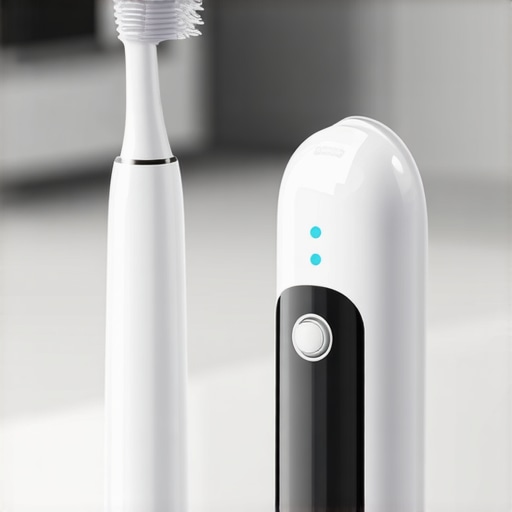
Smart flossers and toothbrushes can track your habits, providing feedback and reminders. I set mine to notify me if I veer off technique, which kept my gums healthier. These devices often connect to your smartphone, guiding you as if you had a personal hygienist standing by. They’re especially useful when you travel or have a hectic schedule. Discover more about innovative tools in our [latest cosmetic dentistry advancements](https://gentlesmiledentist.com/cosmetic-dentistry-innovations-you-cant-miss-this-year).
Schedule Regular Professional Cleanings
Even with an impeccable daily routine, professional cleanings remove tartar buildup that routine tools can’t reach. My dentist’s regular visits significantly reduced staining and misalignment so I could smile confidently. For insights into maintaining long-term oral health, check out this [guide to professional dental care](https://gentlesmiledentist.com/how-regular-teeth-cleaning-can-prevent-major-dental-issues).When it comes to family and cosmetic dentistry, many believe they understand the essentials, but the truth is, common misconceptions can lead to ineffective or even harmful practices. For example, a widespread myth is that all teeth whitening products are safe and equally effective—yet, recent studies reveal that overuse or improper application can damage enamel, increasing sensitivity and decay risks. As I explored in my own practice, understanding the nuances behind these treatments is crucial for long-term oral health.
What Advanced Questions Should You Ask Your Dentist?
One mistake many overlook is neglecting personalized advice tailored to their unique oral conditions. For instance, patients with high acid erosion risk might consider treatments like nano bonding instead of veneers, which can compromise weakened enamel. Dentists recommend assessing individual factors and staying informed about emerging innovations, such as laser teeth whitening, that offer safer, more effective options than traditional methods. To deepen your knowledge on the topic, reviewing expert insights published at sources like teeth cleaning techniques can be invaluable.
One common mistake I see is underestimating the importance of regular professional cleanings. Routine visits aren’t just about removing plaque—they’re an opportunity to catch early signs of issues like gum recession or mini fractures before they become costly problems. For a comprehensive approach, ensuring your routine includes timely check-ups can significantly improve your overall oral health.
Another misconception is that cosmetic procedures like veneers or bonding are purely superficial. In fact, advancements have made these treatments more durable and functional, but only when planned with a complete understanding of the underlying health. Reading about the latest innovations in cosmetic dentistry, such as cosmetic innovations, can help you make informed decisions.
Finally, don’t fall into the trap of thinking that brushing harder will clean better. On the contrary, forceful brushing can damage gums and enamel, leading to recession and sensitivity. Focus on using gentle, circular motions with the correct brush and technique, and consider using electric or smart toothbrushes that guide your pressure. This simple shift can dramatically improve your outcomes and prevent unnecessary harm.
Remember, being aware of these hidden nuances and myths is key to maintaining a healthy, confident smile. Ever fallen into any of these traps? Let me know in the comments or reach out to discuss your oral health journey!Maintaining a healthy smile over the long term requires more than just daily brushing and flossing; it involves leveraging the right tools and technologies that adapt with your needs. I personally swear by ultrasonic toothbrushes like the Philips Sonicare FlexCare Platinum because they deliver high-frequency vibrations that break down plaque more effectively than manual brushes, all while offering real-time pressure sensors to prevent gum damage. These devices sync with smartphone apps, allowing me to track my brushing habits and receive customized coaching, ensuring consistent technique improvement. When it comes to flossing, I’ve transitioned to water flossers like the Waterpik Aquarius, which not only remove debris efficiently but also stimulate gums gently, making daily routines more manageable—especially for those with braces or sensitive gums. In recent years, Smart Flossers equipped with guiding technology have gained popularity; I recommend trying the Quip Smart Electric Flosser, which provides audible and visual feedback, pushing you to reach all areas thoroughly. Looking ahead, the future of oral health tools seems geared toward AI-driven diagnostics that can analyze your plaque buildup or early signs of decay remotely, enabling personalized preventive care.
### How do I maintain these tools over time?
Regular cleaning and timely replacements are vital for optimal performance. For example, electric toothbrush heads should be replaced every three months, while water flosser nozzles need quarterly swaps to prevent bacterial buildup. I also use a sanitizer station that employs UV light, which keeps my toothbrush and flosser germ-free—an underrated step that enhances long-term health. Beyond hardware, consider adopting software solutions like Dental Monitoring, which uses AI to analyze your daily brushing videos and provide feedback from your dentist in real time. This integration of hardware and AI is revolutionizing at-home dentistry, making it more effective and less time-consuming.
### Future trends and your role in staying ahead
As I see it, the evolution of dental tools will increasingly focus on personalization, with devices learning from your habits and dental history to suggest tailored routines. For example, AI-powered toothbrushes could adapt their vibration frequency based on your gum health or the amount of plaque detected during each session. To make the most of these innovations, I recommend trying the tools I’ve mentioned—like the Philips Sonicare or Waterpik—and aligning them with your routine now. Moreover, keep in mind that no device replaces professional care; regular visits and professional cleanings are crucial for a comprehensive long-term strategy. For further insights into sustainable long-term care, check out our detailed guide on [maintaining oral health for a lifetime](https://gentlesmiledentist.com/maintaining-oral-health-expert-advice-for-a-lifetime-of-healthy-teeth).
Staying committed to using these advanced tools consistently will ensure that your smile remains bright, healthy, and resilient for years to come. Remember, investing in quality equipment not only saves money over time but also boosts your confidence. Why not start today by integrating a smart flosser into your routine? It might just be the game-changer your oral health needs.
What They Don’t Tell You About Achieving a Smile That Lasts
Over the years, I realized that many of us stumble through our oral health routines, believing that brushing and flossing alone will suffice. But the most impactful lessons came from my own missteps and revelations—like discovering how subtle habits or overlooked tools could make or break my smile’s longevity. For example, investing in a high-quality ultrasonic toothbrush didn’t just improve my plaque control; it transformed my confidence and motivation to maintain my routine.
Another underestimated insight was the power of personalized dental advice tailored to my unique situation. It wasn’t enough to follow generic tips; I needed a professional’s perspective on preventative care and the latest innovations. This awareness led me to explore advanced treatments like nano bonding and laser whitening, which deliver durable results with minimal discomfort, helping me embrace each stage of life with a resilient smile.
My Top Picks for Elevating Your Smile-Enhancing Arsenal
- Philips Sonicare FlexCare Platinum: This ultrasonic toothbrush offers real-time pressure sensors and app connectivity, guiding proper technique and ensuring gentle yet effective cleaning. I trust it for daily maintenance and long-term gum health.
- Waterpik Aquarius Water Flosser: My daily water flossing routine has become effortless and thorough, especially in hard-to-reach areas. It’s especially beneficial for those with braces or sensitive gums, offering a gentle rinse that traditional flossing can’t match.
- Cosmetic Dentistry Innovations: Exploring treatments like nano bonding and laser whitening has helped me understand the importance of choosing procedures that are not only aesthetically pleasing but also retain their integrity over time. For comprehensive insights, I turn to trusted sources like cosmetic dentistry advancements.
- Professional Cleanings and Check-ups: Regular visits are the cornerstone of preventing unseen issues. My dentist’s approach to early detection and tailored care plans has saved me from costly repairs and boosted my confidence considerably. Learn more about how professional cleanings safeguard your smile at this guide.
Why Stepping Into Your Dental Future Is Exciting
The journey to a healthier, more radiant smile is an ongoing adventure—one that gets more rewarding as technology evolves and your habits deepen. Embracing smart devices, personalized routines, and expert advice will empower you to face each day with a smile that reflects your best self. Remember, small, consistent actions are the secret ingredients that turn your oral health from good to great.
Are you ready to upgrade your dental routine with the latest innovations? The future of family and cosmetic dentistry offers so much promise—don’t miss out on harnessing these tools for your long-term benefit.