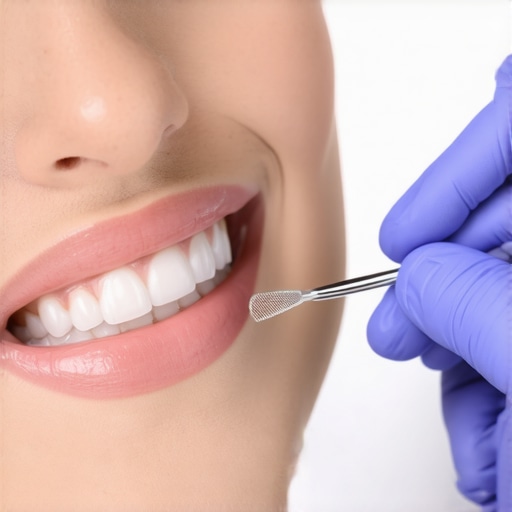
It started with a simple photoshoot. I was excited, ready to showcase my new smile, but as I looked in the mirror, I noticed something unsettling—tiny lines along my gum line, caused by the constant shaving and grinding to prepare for veneers. It felt like a small price to pay for that perfect smile, but over time, I realized the cost was more than just a little discomfort; it was affecting my confidence and oral health.
The Lightbulb Moment That Changed Everything
Like many, I had been told that veneers meant shaving down the teeth— a necessary evil for the perfect look. That was until I read about the latest advancements in cosmetic dentistry innovations in 2025. I discovered that modern veneers, especially those developed for 2026, are designed to be minimally invasive—so much so that shaving your teeth might become a thing of the past. It was a revelation that piqued my curiosity and changed my perspective.
What’s the Fuss About Shaving Teeth Anyway?
Let’s be honest—shaving teeth sounds extreme, doesn’t it? Yet, for decades, it was considered the gold standard for cosmetic veneers. Early on, I made the mistake of assuming all veneers required this procedure, which led to unnecessary enamel removal and sensitivity issues. It’s a common mistake many make, fearing they’re stuck with outdated techniques when newer, gentler options are available. I want you to know that advancements mean better, safer options that preserve your natural tooth structure.
So, if you’re contemplating cosmetic improvements and worried about losing your tooth’s health, you’re not alone. Many have faced similar concerns, and I want to help you understand how modern techniques can help you achieve a dazzling smile without the old-fashioned shaving. In this post, I’ll walk you through what has shifted in the industry and how you can benefit from these innovations. Ready to learn more about what 2026 holds for veneers? Let’s dive into the exciting world of minimally invasive cosmetic dentistry and how it can transform your smile—and your confidence.
Start with Effective Teeth Cleaning Techniques
To lay a solid foundation for your oral health, master the art of thorough cleaning. Use a soft-bristled toothbrush and fluoride toothpaste to gentle brush twice daily, focusing on both front and back surfaces. Incorporate proper brushing angles—hold the brush at 45 degrees to your gums—and use circular motions to dislodge plaque. Remember, consistent and correct technique trumps aggressive brushing. I once struggled to reach those tricky molars, but switching to an electric toothbrush with a timer helped me stay consistent and improved my cleaning routine significantly. For deeper cleaning, consider adding interdental brushes or floss daily, targeting areas toothbrushes miss. This practice alone can prevent cavities and gum disease, serving as an essential step towards a brighter, healthier smile.
Integrate Advanced Teeth Whitening Safely
Maintaining a white smile doesn’t mean resorting to harmful DIY kits. Instead, opt for professional whitening procedures offered by your dentist, which are tailored to your enamel’s condition. Modern whitening techniques in 2024 leverage laser and LED technology to activate safe bleaching agents, yielding quick and natural-looking results. I tried over-the-counter strips once, but they caused sensitivity and uneven whitening. After consulting my dentist, I underwent a supervised whitening session, which not only brightened my teeth but also preserved my enamel. Regular touch-ups with dentist-approved products can sustain your results, avoiding the pitfalls of cheap, abrasive options that damage your teeth over time. Prioritize safety to avoid unnecessary sensitivity and protect your investment in your smile.
Prioritize Daily Flossing and Interdental Care
Flossing is the bridge between brushing and maintaining gum health. Use a high-quality floss or interdental brush, gently sliding it between teeth with a saw-like motion. Be careful not to snap the floss, which can harm your gums. I remember the first few attempts being awkward, but practicing daily transformed my gums from bleeding to healthy pink. Effective interdental cleaning removes debris and plaque from hard-to-reach spots, preventing cavities and gingivitis. Consider adding water flossers or floss picks for convenience, especially if manual dexterity is an issue. Incorporating this into your routine creates a barrier against future dental problems and complements professional cleanings seamlessly.
Schedule Regular Dental Check-Ups
Routine visits to your dentist—at least twice a year—are crucial for early detection and prevention. During these appointments, ask your dentist to perform thorough cleanings and examinations, catching issues before they escalate. Modern family dentistry emphasizes personalized care, so discuss your concerns and history openly. I learned that a quick check-up can reveal hidden problems like early cavities or gum issues, saving me from costly treatments later. Regular visits also keep you motivated and accountable, ensuring you follow through with recommended daily practices. Don’t wait for pain or discomfort; proactive care is your best defense against serious oral health issues.
Implement Lifestyle Adjustments for Lasting Results
Your diet and habits directly impact your oral health. Limit sugary and acidic foods that erode enamel, and opt for crunchy vegetables and dairy to strengthen teeth naturally. Drinking plenty of water helps wash away food particles and neutralize acids. I shifted from frequent coffee to infused water, reducing staining and acidity, which made a visible difference over months. Avoid tobacco and excessive alcohol, both of which accelerate dental decay and discoloration. If you grind your teeth at night, discuss protective measures like a custom night guard with your dentist—preventing wear and damage. Small lifestyle tweaks, consistently applied, safeguard your investment in your smile and sustain the benefits of professional treatments.While many believe they have a solid grasp of oral health basics, there are critical nuances that often go unnoticed, leading to costly mistakes. For instance, a widespread myth is that all cosmetic veneers require aggressive tooth shaving to fit. In reality, advancements in modern cosmetic dentistry now emphasize minimally invasive procedures, preserving enamel and reducing sensitivity. Many patients get this wrong, thinking shaving is inevitable, but the industry is shifting towards less destructive options.
Why do so many still fall for outdated techniques?
One reason is the lingering familiarity with traditional methods taught decades ago, despite new research showing that enamel preservation can significantly impact long-term oral health. According to a 2025 oral health study, enamel preservation not only prevents sensitivity but also enhances the longevity of dental restorations.
A common mistake involves underestimating the importance of regular, effective teeth cleaning. Many overlook that techniques like interdental cleaning or water flossers are game changers—yet, they are often dismissed as optional. Incorporating these methods can prevent plaque buildup in hard-to-reach areas, a fact supported by dental research indicating their role in halting early gum disease progression. Instead of just brushing, a comprehensive cleaning routine is crucial, a point some ignore until problems become severe.
Now, let’s consider the misconception surrounding family dentistry. Some believe that a single dental visit suffices for all ages, but the nuances of child vs. adult care demand tailored approaches. For children, early interventions and education are key, while adults may focus on cosmetic corrections or periodontal health. Recognizing this distinction helps avoid routine oversight, which can lead to preventable issues down the line.
For those genuinely committed to optimal oral health, understanding the layered complexities is essential. For example, the science behind teeth whitening safety shows that overuse or DIY methods risk damage, an often-ignored nuance. Not every whitening product is suitable for everyone, especially without professional supervision.
So, do you think you’ve been accurate in your understanding of these aspects? Remember, continuous learning and questioning assumptions are the cornerstones of lasting oral health. Have you ever fallen into this trap? Let me know in the comments.
Tools I Recommend for Lasting Oral Health
Maintaining your oral health over the years requires more than just good habits; it hinges on using the right tools. One device I personally swear by is the **electric toothbrush**, specifically models with oscillating-rotating heads, because they effectively dislodge plaque in less time than manual brushing. I prefer the Philips Sonicare Power Toothbrush, as its sonic technology creates micro-bubbles that clean beyond the reach of traditional brushes, ensuring a thorough clean and reducing the risk of gum disease.
Another game-changer is a **water flosser** like the Waterpik Aquarius. I integrated it into my routine after realizing flossing alone sometimes leaves debris behind, especially in hard-to-reach areas. Water flossers use a pulsating stream of water to clean between teeth and along the gumline, which I found helped reduce bleeding and gingivitis, as reported in clinical studies. This tool is particularly beneficial for those with braces or implants, where traditional flossing can be challenging.
For monitoring your progress, I recommend a **smart toothbrush app**. Apps like the Philips Sonicare app sync with your device, tracking brushing time and coverage, motivating me to maintain consistent quality. This technological edge ensures I’m not just brushing mindlessly but doing so effectively, aligning with the latest cosmetic dentistry advancements for 2026 that emphasize precision and personalization.
Don’t overlook the importance of regular **dental check-up reminders** with your dentist’s software. Many modern clinics use integrated systems, allowing for seamless scheduling and treatment updates, which I find invaluable in staying on top of my oral health. These tools create a comprehensive ecosystem that supports consistent, effective maintenance—essential for long-term success.
How do I maintain my oral health tools over time?
Proper maintenance of your dental tools is crucial for their longevity and effectiveness. Regularly replace brush heads every three months, and follow the manufacturer’s cleaning instructions for your water flosser. Keep your devices dry and store them in a place free from dust and humidity to prevent mold or bacteria buildup. Periodic software updates or app calibrations ensure you’re getting the most accurate feedback. Remember, investing in quality tools and maintaining them well costs less in the long run by preventing costly dental issues down the line.
Looking ahead, the future of oral health tools points towards smart, AI-enabled devices that can analyze your brushing patterns and provide personalized coaching. This evolution will empower you to refine your technique continually, making excellent oral hygiene an effortless part of daily life. For now, integrating a high-quality electric toothbrush and water flosser into your routine can make a measurable difference in your health and confidence. Why not start today by trying one of these tools—your smile deserves it!
As I reflect on my journey through modern oral health, one thing stands out clearly: the insights I’ve gained from embracing innovative techniques and tools. These lessons have reshaped not only my routine but also my perception of what a healthy, beautiful smile truly entails. If there’s one key takeaway, it’s that staying informed and adaptable is essential for lasting oral wellness, especially with the rapid evolution of cosmetic dentistry and family care practices.
Lessons I Wish I Knew Before Embracing 2026’s Dental Advances
- Minimally invasive options are game changers: I initially believed all veneers required aggressive shaving, but modern developments prove otherwise. Choosing treatments that preserve enamel protects sensitivity and longevity.
- Holistic oral care prevents costly repairs: Regular, targeted cleanings and lifestyle adjustments can save thousands by avoiding severe issues down the line.
- Technology enhances even simple routines: Tools like water flossers and smart toothbrushes not only improve outcomes but also make daily maintenance more engaging and effective.
- Continuous education is vital: Staying updated with reputable sources, such as latest innovations, empowers you to make better decisions for your oral health.
- Personalized care matters most: Knowing your unique dental needs guides you toward treatments that are safer and more durable, reducing unnecessary procedures.
My Go-To Resources for Smiling Confidently
- Expert-Recommended Tools: The advanced electric toothbrushes and water flossers help me maintain my routine efficiently. I trust these because they deliver consistent, professional-grade cleaning results.
- Educational Content: Reputable blogs and articles, especially those from industry leaders, keep me informed about emerging procedures and best practices.
- Professional Support: Regular check-ups with my dentist, who utilizes cutting-edge diagnostics and treatments, ensure my smile stays healthy and radiant.
- Informative Literature: Books like The Complete Guide to Cosmetic Dentistry expand my understanding, helping me prepare for future procedures.
Your Smile’s Next Chapter Begins Now
The future of cosmetic dentistry and oral health in 2026 is bright, characterized by gentler, smarter, and more personalized solutions. By staying curious and proactive, you can harness these advancements to enjoy a confident, healthy smile for years to come. Remember, your journey toward optimal oral health is uniquely yours—embrace the innovations, invest in the right tools, and consult trusted professionals to achieve the best results.
What new dental technique or tool are you most excited to try? Share your thoughts below and join the conversation on shaping the future of your smile!
}#}#}#}#}#}#}#}#}#}#}#}#}#}#}#}#}#}#}#}#}#}#}#}#}#}#}#}#}#}#}#}#}#}#}#}#}#}#}#}#}#}#}#}#}#}#}#}#}#}#}#}#}#}#}#}#}#}#}#}#}#}#}#}#}#}#}#}#}#}#}#}#}#}#}#}#}#}#}#}#}#}#}#}#}#}#}#}#}#}#}#}#}#}#}#}#}#}#}#}#}#}#}#}#}#}#}#}#}#}#}#}#}#}#}#}#}#}#}#}#}#}#}#}#}#}#}#}#}#}#}#}#}#}#}#}#}#}#}#}#}#}#}#}#}#}#}#}#}#}#}#}#}#}#}#}#}#}#}#}#}#}#}#}#}#}#}#}#}#}#}#}#}#}#}#}#}#}#}#}#}#}#}#}#}#}#}#}#}#}#}#}#}#}#}#}#}#}#}#}#}#}#}#}#}#}#}#}#}#}#}#}#}#}#}#}#}#}#}#}#}#}#}#}#}#}#}#}#}#}#}#}#}#}#}#}#}#}#}#}#}#}#}#}#}#}#}#}#}#}#}#}#}#}#}#}#}#}#}#}#}#}#}#}#}#}#}#}#}#}#}#}#}#}#}#}#}#}#}#}#}#}#}#}#}#}#}#}#}#}#}#}#}#}#}#}#}#}#}#}#}#}#}#}#}#}#}#}#}#}#}#}#}#}#}#}#}#}#}#}#}#}#}#}#}#}#}#}#}#}#}#}#}#}#}#}#}#}#}#}#}#}#}#}#}#}#}#}#}#}#}#}#}#}#}#}#}#}#}#}#}#}#}#}#}#}#}#}#}#}#}#}#}#}#}#}#}#}#}#}#}#}#}#}#}#}#}#}#}#}#}#}#}#}#}#}#}#}#}#}#}#}#}#}#}#}#}#}#}#}#}#}#}#}#}#}#}#}#}#}#}#}#}#}#}#}#}#}#}#}#}#}#}#}#}#}#}#}#}#}#}#}#}#}#}#}#}#}#}#}#}#}#}#}#}#}#}#}#}#}#}#}#}#}#}#}#}#}#}#}#}#}#}#}#}#}#}#}#}#}#}#}#}#}#}#}#}#}#}#}#}#}#}#}#}#}#}#}#}#}#}#}#}#}#}#}#}#}#}#}#}#}#}#}#}#}#}#}#}#}#}#}#}#}#}#}#}#}#}#}#}#}#}#}#}#}#}#}#}#}#}#}#}#}#}#}#}#}#}#}#}#}#}#}#}#}#}#}#}#}#}#}#}#}#}#}#}#}#}#}#}#}#}#}#}#}#}#}#}#}#}#}#}#}#}#}#}#}#}#}#}#}#}#}#}#}#}#}#}#}#}#}#}#}#}#}#}#}#}#}#}#}#}#}#}#}#}#}#}#}#}#}#}#}#}#}#}#}#}#}#}#}#}#}#}#}#}#}#}#}#}#}#}#}#}#}#}#}#}#}#}#}#}#}#}#}#}#}#}#}#}#}#}#}#}#}#}#}#}#}#}#}#}#}#}#}#}#}#}#}#}#}#}#}#}#}#}#}#}#}#}#}#}#}#}#}#}#}#}#}#}#}#}#}#}#}#}#}#}#}#}#}#}#}#}#}#}#}#}#}#}#}#}#}#}#}#}#}#}#}#}#}#}#}#}#}#}#}#}#}#}#}#}#}#}#}#}#}#}#}#}#}#}#}#}#}#}#}#}#}#}#}#}#}#}#}#}#}#}#}#}#}#}#}#}#}#}#}#}#}#}#}#}#}#}#}#}#}#}#}#}#}#}#}#}#}#}#}#}#}#}#}#}#}#}#}#}#}#}#}#}#}#}#}#}#}#}#}#}#}#}#}#}#}#}#}#}#}#}#}#}#}#}#}#}#}#}#}#}#}#}#}#}#}#}#}#}#}#}#}#}#}#}#}#}#}#}#}#}#}#}#}#}#}#}#}#}#}#}#}#}#}#}#}#}#}#}#}#}#}#}#}#}#}#}#}#}#}#}#}#}#}#}#}#}#}#}#}#}#}#}#}#}#}#}#}#}#}#}#}#}#}#}#}#}#}#}#}#}#}#}#}#}#}#}#}#}#}#}#}#}#}#}#}#}#}#}#}#}#}#}#}#}#}#}#}#}#}#}#}#}#}#}#}#}#}#}#}#}#}#}#}#}#}#}#}#}#}#}#}#}#}#}#}#}#}#}#}#}#}#}#}#}#}#}#}#}#}#}#}#}#}#}#}#}#}#}#}#}#}#}#}#}#}#}#}#}#}#}#}#}#}#}#}#}#}#}#}#}#}#}#}#}#}#}#}#}#}#}#}#}#}#}#}#}#}#}#}#}#}#}#}#}#}#}#}#}#}#}#}#}#}#}#}#}#}#}#}#}#}#}#}#}#}#}#}#}#}#}#}#}#}#}#}#}#}#}#}#}#}#}#}#}#}#}#}#}#}#}#}#}#}#}#}#}#}#}#}#}#}#}#}#}#}#}#}#}#}#}#}#}#}#}#}#}#}#}#}#}#}#}#}#}#}#}#}#}#}#}#}#}#}#}#}#}#}#}#}#}#}#}#}#}#}#}#}#}#}#}#}#}#}#}#}#}#}#}#}#}#}#}#}#}#}#}#}#}#}#}#}#}#}#}#}#}#}#}#}#}#}#}#}#}#}#}#}#}#}#}#}#}#}#}#}#}#}#}#}#}#}#}#}#}#}#}#}#}#}#}#}#}#}#}#}#}#}#}#}#}#}#}#}#}#}#}#}#}#}#}#}#}#}#}#}#}#}#}#}#}#}#}#}#}#}#}#}#}#}#}#}#}#}#}#}#}#}#}#}#}#}#}#}#}#}#}#}#}#}#}#}#}#}#}#}#}#}#}#}#}#}#}#}#}#}#}#}#}#}#}#}#}#}#}#}#}#}#}#}#}#}#}#}#}#}#}#}#}#}#}#}#}#}#}#}#}#}#}#}#}#}#}#}#}#}#}#}#}#}#}#}#}#}#}#}#}#}#}#}#}#}#}#}#}#}#}#}#}#}#}#}#}#}#}#}#}#}#}#}#}#}#}#}#}#}#}#}#}#}#}#}#}#}#}#}#}#}#}#}#}#}#}#}#}#}#}#}#}#}#}#}#}#}#}#}#}#}#}#}#}#}#}#}#}#}#}#}#}#}#}#}#}#}#}#}#}#}#}#}#}#}#}#}#}#}#}#}#}#}#}#}#}#}#}#}#}#}#}#}#}#}#}#}#}#}#}#}#}#}#}#}#}#}#}#}#}#}#}#}#}#}#}#}#}#}#}#}#}#}#}#}#}#}#}#}#}#}#}#}#}#}#}#}#}#}#}#}#}#}#}#}#}#}#}#}#}#}#}#}#}#}#}#}#}#}#}#}#}#}#}#}#}#}#}#}#}#}#}#}#}#}#}#}#}#}#}#}#}#}#}#}#}#}#}#}#}#}#}#}#}#}#}#}#}#}#}#}#}#}#}#}#}#}#}#}#}#}#}#}#}#}#}#}#}#}#}#}#}#}#}#}#}#}#}#}#}#}#}#}#}#}#}#}#}#}#}#}#}#}#}#}#}#}#}#}#}#}#}#}#}#}#}#}#}#}#}#}#}#}#}#}#}#}#}#}#}#}#}#}#}#}#}#}#}#}#}#}#}#}#}#}#}#}#}#}#}#}#}#}#}#}#}#}#}#}#}#}#}#}#}#}#}#}#}#}#}#}#}#}#}#}#}#}#}#}#}#}#}#}#}#}#}#}#}#}#}#}#}#}#}#}#}#}#}#}#}#}#}#}#}#}#}#}#}#}#}#}#}#}#}#}#}#}#}#}#}#}#}#}#}#}#}#}#}#}#}#}#}#}#}#}#}#}#}#}#}#}#}#}#}#}#}#}#}#}#}#}#}#}#}#}#}#}#}#}#}#}#}#}#}#}#}#}#}#}#}#}#}#}#}#}#}#}#}#}#}#}#}#}#}#}#}#}#}#}#}#}#}#}#}#}#}#}#}#}#}#}#}#}#}#}#}#}#}#}#}#}#}#}#}#}#}#}#}#}#}#}#}#}#}#}#}#}#}#}#}#}#}#}#}#}#}#}#}#}#}#}#}#}#}#}#}#}#}#}#}#}#}#}#}#}#}#}#}#}#}#}#}#}#}#}#}#}#}#}#}#}#}#}#}#}#}#}#}#}#}#}#}#}#}#}#}#}#}#}#}#}#}#}#}#}#}#}#}#}#}#}#}#}#}#}#}#}#}#}#}#}#}#}#}#}#}#}#}#}#}#}#}#}#}#}#}#}#}#}#}#}#}#}#}#}#}#}#}#}#}#}#}#}#}#}#}#}#}#}#}#}#}#}#}#}#}#}#}#}#}#}#}#}#}#}#}#}#}#}#}#}#}#}#}#}#}#}#}#}#}#}#}#}#}#}#}#}#}#}#}#}#}#}#}#}#}#}#}#}#}#}#}#}#}#}#}#}#}#}#}#}#}#}#}#}#}#}#}#}#}#}#}#}#}#}#}#}#}#}#}#}#}#}#}#}#}#}#}#}#}#}#}#}#}#}#}#}#}#}#}#}#}#}#}#}#}#}#}#}#}#}#}#}#}#}#}#}#}#}#}#}#}#}#}#}#}#}#}#}#}#}#}#}#}#}#}#}#}#}#}#}#}#}#}#}#}#}#}#}#}#}#}#}#}#}#}#}#}#}#}#}#}#}#}#}#}#}#}#}#}#}#}#}#}#}#}#}#}#}#}#}#}#}#}#}#}#}#}#}#}#}#}#}#}#}#}#}#}#}#}#}#}#}#}#}#}#}#}#}#}#}#}#}#}#}#}#}#}#}#}#}#}#}#}#}#}#}#}#}#}#}#}#}#}#}#}#}#}#}#}#}#}#}#}#}#}#}#}#}#}#}#}#}#}#}#}#}#}#}#}#}#}#}#}#}#}#}#}#}#}#}#}#}#}#}#}#}#}#}#}#}#}#}#}#}#}#}#}#}#}#}#}#}#}#}#}#}#}#}#}#}#}#}#}#}#}#}#}#}#}#}#}#}#}#}#}#}#}#}#}#}#}#}#}#}#}#}#}#}#}#}#}#}#}#}#}#}#}#}#}#}#}#}#}#}#}#}#}#}#}#}#}#}#}#}#}#}#}#}#}#}#}#}#}#}#}#}#}#}#}#}#}#}#}#}#}#}#}#}#}#}#}#}#}#}#}#}#}#}#}#}#}#}#}#}#}#}#}#}#}#}#}#}#}#}#}#}#}#}#}#}#}#}#}#}#}#}#}#}#}#}#}#}#}#}#}#}#}#}#}#}#}#}#}#}#}#}#}#}#}#}#}#}#}#}#}#}#}#}#}#}#}#}#}#}#}#}#}#}#}#}#}#}#}#}#}#}#}#}#}#}#}#}#}#}#}#}#}#}#}#}#}#}#}#}#}#}#}#}#}#}#}#}#}#}#}#}#}#}#}#}#}#}#}#}#}#}#}#}#}#}#}#}#}#}#}#}#}#}#}#}#}#}#}#}#}#}#}#}#}#}#}#}#}#}#}#}#}#}#}#}#}#}#}#}#}#}#}#}#}#}#}#}#}#}#}#}#}#}#}#}#}#}#}#}#}#}#}#}#}#}#}#}#}#}#}#}#}#}#}#}#}#}#}#}#}#}#}#}#}#}#}#}#}#}#}#}#}#}#}#}#}#}#}#}#}#}#}#}#}#}#}#}#}#}#}#}#}#}#}#}#}#}#}#}#}#}#}#}#}#}#}#}#}#}#}#}#}#}#}#}#}#}#}#}#}#}#}#}#}#}#}#}#}#}#}#}#}#}#}#}#}#}#}#}#}#}#}#}#}#}#}#}#}#}#}#}#}#}#}#}#}#}#}#}#}#}#}#}#}#}#}#}#}#}#}#}#}#}#}#}#}#}#}#}#}#}#}#}#}#}#}#}#}#}#}#}#}#}#}#}#}#}#}#}#}#}#}#}#}#}#}#}#}#}#}#}#}#}#}#}#}#}#}#}#}#}#}#}#}#}#}#}#}#}#}#}#}#}#}#}#}#}#}#}#}#}#}#}#}#}#}#}#}#}#}#}#}#}#}#}#}#}#}#}#}#}#}#}#}#}#}#}#}#}#}#}#}#}#}#}#}#}#}#}#}#}#}#}#}#}#}#}#}#}#}#}#}#}#}#}#}#}#}#}#}#}#}#}#}#}#}#}#}#}#}#}#}#}#}#}#}#}#}#}#}#}#}#}#}#}#}#}#}#}#}#}#}#}#}#}#}#}#}#}#}#}#}#}#}#}#}#}#}#}#}#}#}#}#}#}#}#}#}#}#}#}#}#}#}#}#}#}#}#}#}#}#}#}#}#}#}#}#}#}#}#}#}#}#}#}#}#}#}#}#}#}#}#}#}#}#}#}#}#}#}#}#}#}#}#}#}#}#}#}#}#}#}#}#}#}#}#}#}#}#}#}#}#}#}#}#}#}#}#}#}#}#}#}#}#}#}#}#}#}#}#}#}#}#}#}#}#}#}#}#}#}#}#}#}#}#}#}#}#}#}#}#}#}#}#}#}#}#}#}#}#}#}#}#}#}#}#}#}#}#}#}#}#}#}#}#}#}#}#}#}#}#}#}#}#}#}#}#}#}#}#}#}#}#}#}#}#}#}#}#}#}#}#}#}#}#}#}#}#}#}#}#}#}#}#}#}#}#}#}#}#}#}#}#}#}#}#}#}#}#}#}#}#}#}#}#}#}#}#}#}#}#}#}#}#}#}#}#}#}#}#}#}#}#}#}#}#}#}#}#}#}#}#}#}#}#}#}#}#}#}#}#}#}#}#}#}#}#}#}#}#}#}#}#}#}#}#}#}#}#}#}#}#}#}#}#}#}#}#}#}#}#}#}#}#}#}#}#}#}#}#}#}#}#}#}#}#}#}#}#}#}#}#}#}#}#}#}#}#}#}#}#}#}#}#}#}#}#}#}#}#}#}#}#}#}#}#}#}#}#}#}#}#}#}#}#}#}#}#}#}#}#}#}#}#}#}#}#}#}#}#}#}#}#}#}#}#}#}#}#}#}#}#}#}#}#}#}#}#}#}#}#}#}#}#}#}#}#}#}#}#}#}#}#}#}#}#}#}#}#}#}#}#}#}#}#}#}#}#}#}#}#}#}#}#}#}#}#}#}#}#}#}#}#}#}#}#}#}#}#}#}#}#}#}#}#}#}#}#}#}#}#}#}#}#}#}#}#}#}#}#}#}#}#}#}#}#}#}#}#}#}#}#}#}#}#}#}#}#}#}#}#}#}#}#}#}#}#}#}#}#}#}#}#}#}#}#}#}#}#}#}#}#}#}#}#}#}#}#}#}#}#}#}#}#}#}#}#}#}#}#}#}#}#}#}#}#}#}#}#}#}#}#}#}#}#}#}#}#}#}#}#}#}#}#}#}#}#}#}#}#}#}#}#}#}#}#}#}#}#}#}#}#}#}#}#}#}#}#}#}#}#}#}#}#}#}#}#}#}#}#}#}#}#}#}#}#}#}#}#}#}#}#}#}#}#}#}#}#}#}#}#}#}#}#}#}#}#}#}#}#}#}#}#}#}#}#}#}#}#}#}#}#}#}#}#}#}#}#}#}#}#}#}#}#}#}#}#}#}#}#}#}#}#}#}#}#}#}#}#}#}#}#}#}#}#}#}#}#}#}#}#}#}#}#}#}#}#}#}#}#}#}#}#}#}#}#}#}#}#}#}#}#}#}#}#}#}#}#}#}#}#}#}#}#}#}#}#}#}#}#}#}#}#}#}#}#}#}#}#}#}#}#}#}#}#}#}#}#}#}#}#}#}#}#}#}#}#}#}#}#}#}#}#}#}#}#}#}#}#}#}#}#}#}#}#}#}#}#}#}#}#}#}#}#}#}#}#}#}#}#}#}#}#}#}#}#}#}#}#}#}#}#}#}#}#}#}#}#}#}#}#}#}#}#}#}#}#}#}#}#}#}#}#}#}#}#}#}#}#}#}#}#}#}#}#}#}#}#}#}#}#}#}#}#}#}#}#}#}#}#}#}#}#}#}#}#}#}#}#}#}#}#}#}#}#}#}#}#}#}#}#}#}#}#}#}#}#}#}#}#}#}#}#}#}#}#}#}#}#}#}#}#}#}#}#}#}#}#}#}#}#}#}#}#}#}#}#}#}#}#}#}#}#}#}#}#}#}#}#}#}#}#}#}#}#}#}#}#}#}#}#}#}#}#}#}#}#}#}#}#}#}#}#}#}#}#}#}#}#}#}#}#}#}#}#}#}#}#}#}#}#}#}#}#}#}#}#}#}#}#}#}#}#}#}#}#}#}#}#}#}#}#}#}#}#}#}#}#}#}#}#}#}#}#}#}#}#}#}#}#}#}#}#}#}#}#}#}#}#}#}#}#}#}#}#}#}#}#}#}#}#}#}#}#}#}#}#}#}#}#}#}#}#}#}#}#}#}#}#}#}#}#}#}#}#}#}#}#}#}#}#}#}#}#}#}#}#}#}#}#}#}#}#}#}#}#}#}#}#}#}#}#}#}#}#}#}#}#}#}#}#}#}#}#}#}#}#}#}#}#}#}#}#}#}#}#}#}#}#}#}#}#}#}#}#}#}#}#}#}#}#}#}#}#}#}#}#}#}#}#}#}#}#}#}#}#}#}#}#}#}#}#}#}#}#}#}#}#}#}#}#}#}#}#}#}#}#}#}#}#}#}#}#}#}#}#}#}#}#}#}#}#}#}#}#}#}#}#}#}#}#}#}#}#}#}#}#}#}#}#}#}#}#}#}#}#}#}#}#}#}#}#}#}#}#}#}#}#}#}#}#}#}#}#}#}#}#}#}#}#}#}#}#}#}#}#}#}#}#}#}#}#}#}#}#}#}#}#}#}#}#}#}#}#}#}#}#}#}#}#}#}#}#}#}#}#}#}#}#}#}#}#}#}#}#}#}#}#}#}#}#}#}#}#}#}#}#}#}#}#}#}#}#}#}#}#}#}#}#}#}#}#}#}#}#}#}#}#}#}#}#}#}#}#}#}#}#}#}#}#}#}#}#}#}#}#}#}#}#}#}#}#}#}#}#}#}#}#}#}#}#}#}#}#}#}#}#}#}#}#}#}#}#}#}#}#}#}#}#}#}#}#}#}#}#}#}#}#}#}#}#}#}#}#}#}#}#}#}#}#}#}#}#}#}#}#}#}#}#}#}#}#}#}#}#}#}#}#}#}#}#}#}#}#}#}#}#}#}#}#}#}#}#}#}#}#}#}#}#}#}#}#}#}#}#}#}#}#}#}#}#}#}#}#}#}#}#}#}#}#}#}#}#}#}#}#}#}#}#}#}#}#}#}#}#}#}#}#}#}#}#}#}#}#}#}#}#}#}#}#}#}#}#}#}#}#}#}#}#}#}#}#}#}#}#}#}#}#}#}#}#}#}#}#}#}#}#}#}#}#}#}#}#}#}#}#}#}#}#}#}#}#}#}#}#}#}#}#}#}#}#}#}#}#}#}#}#}#}#}#}#}#}#}#}#}#}#}#}#}#}#}#}#}#}#}#}#}#}#}#}#}#}#}#}#}#}#}#}#}#}#}#}#}#}#}#}#}#}#}#}#}#}#}#}#}#}#}#}#}#}#}#}#}#}#}#}#}#}#}#}#}#}#}#}#}#}#}#}#}#}#}#}#}#}#}#}#}#}#}#}#}#}#}#}#}#}#}#}#}#}#}#}#}#}#}#}#}#}#}#}#}#}#}#}#}#}#}#}#}#}#}#}#}#}#}#}#}#}#}#}#}#}#}#}#}#}#}#}#}#}#}#}#}#}#}#}#}#}#}#}#}#}#}#}#}#}#}#}#}#}#}#}#}#}#}#}#}#}#}#}#}#}#}#}#}#}#}#}#}#}#}#}#}#}#}#}#}#}#}#}#}#}#}#}#}#}#}#}#}#}#}#}#}#}#}#}#}#}#}#}#}#}#}#}#}#}#}#}#}#}#}#}#}#}#}#}#}#}#}#}#}#}#}#}#}#}#}#}#}#}#}#}#}#}#}#}#}#}#}#}#}#}#}#}#}#}#}#}#}#}#}#}#}#}#}#}#}#}#}#}#}#}#}#}#}#}#}#}#}#}#}#}#}#}#}#}#}#}#}#}#}#}#}#}#}#}#}#}#}#}#}#}#}#}#}#}#}#}#}#}#}#}#}#}#}#}#}#}#}#}#}#}#}#}#}#}#}#}#}#}#}#}#}#}#}#}#}#}#}#}#}#}#}#}#}#}#}#}#}#}#}#}#}#}#}#}#}#}#}#}#}#}#}#}#}#}#}#}#}#}#}#}#}#}#}#}#}#}#}#}#}#}#}#}#}#}#}#}#}#}#}#}#}#}#}#}#}#}#}#}#}#}#}#}#}#}#}#}#}#}#}#}#}#}#}#}#}#}#}#}#}#}#}#}#}#}#}#}#}#}#}#}#}#}#}#}#}#}#}#}#}#}#}#}#}#}#}#}#}#}#}#}#}#}#}#}#}#}#}#}#}#}#}#}#}#}#}#}#}#}#}#}#}#}#}#}#}#}#}#}#}#}#}#}#}#}#}#}#}#}#}#}#}#}#}#}#}#}#}#}#}#}