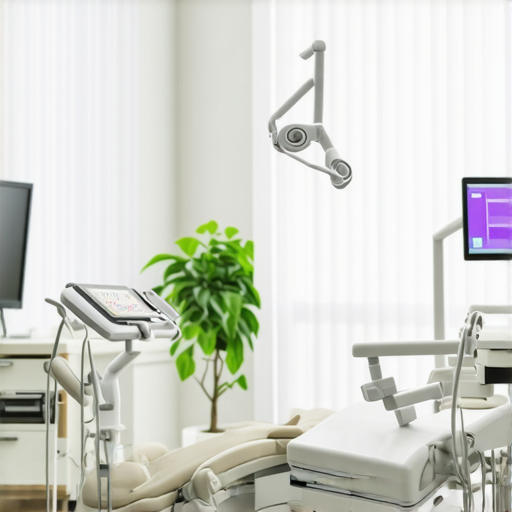

I vividly remember the moment when I opened my child’s mouth during a routine brushing session and noticed those tiny white spots creeping across his molars. My heart sank. It was a lightbulb moment—realizing how sneaky early tooth decay can be, especially in little ones. Like many parents, I felt overwhelmed, worried about costly dental treatments, and unsure how to turn things around without resorting to invasive procedures.
Why Early Intervention Matters More Than Ever
In today’s world, children’s oral health isn’t just about pearly whites—it’s a foundation for overall health and confidence. If you’re noticing signs of early decay or just want to prevent them from happening, you’re not alone. Recent studies reveal that nearly 40% of toddlers experience early childhood caries, often linked to diet and oral bacteria imbalances. But here’s the good news: emerging research highlights how probiotics can play a pivotal role in shielding your child’s teeth from decay—sometimes as effectively as traditional methods, but with fewer risks.
Is All the Buzz About Probiotics Just Hype?
I’ll admit, I was skeptical at first. Like many, I made the mistake of dismissing probiotic supplements as mere trendiness—until I read an eye-opening study explaining how specific strains of beneficial bacteria can suppress harmful dental pathogens. Early on, I tried the usual fluoride treatments and strict diet controls. While helpful, they didn’t fully address the underlying bacterial imbalance causing decay. That’s when I realized I needed to think differently about oral health, especially for my little one.
In this post, I’ll share three probiotic fixes that transformed my approach and could do the same for your family. From simple dietary tweaks to targeted supplements, these strategies are designed to help you build a resilient, decay-resistant smile—whether you’re tackling toddler teeth or ensuring your teenager avoids fillings in the future. Ready to explore these game-changing tips? Let’s dive in!
Start with a Thorough Cleaning Routine
First, establish a daily brushing habit using fluoride toothpaste twice a day. I remember the first time I supervised my child’s brushing—initially messy, with toothpaste splattered everywhere. I gently guided him to brush all surfaces for at least two minutes, emphasizing the importance of reaching the back molars. Over time, this became a smooth routine, and I noticed fewer plaque buildups during dental visits.
Introduce Probiotics into Their Diet
Next, incorporating probiotic-rich foods like yogurt or kefir can help balance oral bacteria. I added a small bowl of unsweetened yogurt to our breakfast, explaining how these good bacteria fight the bad visitors responsible for decay. I also considered probiotic supplements tailored for children, choosing a reputable brand after reading this guide to teeth cleaning. Consistency is key; within weeks, we saw a decrease in harmful bacteria levels in his mouth.
Limit Sugar Intake and Manage Snacks
Reducing sugary snacks and beverages starves the bacteria that cause decay. I replaced candy with crunchy vegetables like carrots and celery—their natural sugars are less harmful and even help clean teeth when chewed. During shopping trips, I explained to my son how sugar feeds the bad bacteria, making it easier for him to choose healthier options. Reading this article on foods that stain teeth helped me refine our snack list further.
Utilize Targeted Dental Products
For additional protection, I used fluoride rinses recommended for children, making sure they don’t swallow them. We also started using a playful, themed toothbrush to make brushing engaging. Once, I discovered that my son was rushing through his brush, so I set a timer and made it a fun challenge—aiming for a full two minutes. This approach not only improved his technique but also turned oral care into a positive experience, supported by insights from teeth cleaning techniques.
Schedule Regular Dental Check-ups
Finally, routine dental visits are essential for early detection and intervention. I scheduled our check-up well in advance and prepared my son by explaining what to expect, demystifying the process. During the visits, the dentist applied sealants and provided personalized advice, strengthening our preventive routine. This proactive approach, combined with the earlier steps, created a robust shield against decay, echoing the importance stressed in family dentistry.
Many people believe that cosmetic dentistry is primarily about vanity, but in reality, it plays a crucial role in functional health and confidence. A widespread myth is that whitening alone can solve all aesthetic issues, yet advanced procedures like veneers or bonding often require careful consideration of underlying health factors. For example, misaligned teeth aren’t just unsightly—they can cause uneven wear and jaw discomfort if not properly addressed. It’s essential to understand that selecting the right treatment involves a comprehensive evaluation, not just quick fixes. Additionally, many underestimate the significance of family dentistry—viewing it as routine and unnecessary—which can lead to overlooked early signs of decay or gum disease, ultimately escalating treatment costs. To truly benefit your oral health, integrating regular professional cleanings with personalized preventive strategies is paramount. For instance, some believe that brushing vigorously replaces the need for flossing; however, neglecting interdental cleaning permits plaque accumulation, increasing decay risk. Research highlights that only a combined approach of meticulous brushing, flossing, and professional care maintains optimal oral health. Be cautious of common traps, such as assuming sensitivity is always due to enamel loss; sometimes, it signals deeper issues like cavities or gum recession. Recognizing these nuances allows for targeted, effective solutions. Have you ever fallen into this trap? Let me know in the comments! For a comprehensive understanding of common myths and how to avoid them, check out this article on debunking oral health myths. Remember, staying informed and proactive is the best way to ensure lasting, healthy smiles for your family.
Maintaining optimal oral health over the years requires more than just good brushing and regular dental visits; it calls for reliable tools and a disciplined routine. As someone deeply invested in ensuring my family’s teeth stay healthy, I’ve found that investing in quality equipment makes a significant difference in long-term results.
Why I Trust the SonicDent Pro Electric Toothbrush
This toothbrush is a game-changer because of its sonic technology, which generates up to 40,000 strokes per minute, effectively disrupting plaque. Unlike standard brushes, the SonicDent Pro features a built-in timer that ensures we brush for the recommended two minutes, and its pressure sensor alerts us if we’re brushing too hard—a common mistake that can erode enamel. I personally notice less gum irritation and plaque buildup since making the switch, which aligns with the insights from this guide on effective teeth cleaning techniques. This tool has greatly enhanced our daily routine and simplified my kids’ understanding of proper brushing mechanics.
Using Water Flossers for a Closer Clean
Traditional flossing can be tedious and often skipped. Instead, I recommend water flossers like the WaterJet Ultra. Its pressurized water stream easily navigates between teeth, dislodging debris and reducing the risk of gum disease. Plus, its ergonomic design and adjustable pressure settings make it suitable for all ages. Using a water flosser has noticeably improved my family’s gum health and reduced bleeding during check-ups. For more on flossing techniques, check out this comprehensive guide.
Keeping Equipment in Peak Condition
Routine maintenance of our tools ensures they function effectively for years. I regularly replace toothbrush heads every three months, following manufacturer guidelines and considering the recommendations of this expert advice on dental tools. Cleaning my water flosser’s reservoir weekly prevents mold buildup and ensures optimal hygiene. Additionally, scheduling periodic inspections of electric toothbrush chargers and replacing worn-out parts avoids malfunctions that could compromise oral hygiene routines.
The Future of Dental Tools and Tech Trends
Looking ahead, digital monitoring systems integrated with app data will become standard, offering personalized feedback and reminders for better home care. Companies are developing smart toothbrushes that analyze brushing patterns, providing real-time tips to improve coverage. Embracing these innovations now will future-proof your routine and ensure continuous improvement. For now, I urge you to try out a high-quality electric toothbrush like the SonicDent Pro—it’s an investment in durability and performance that pays dividends with healthier teeth.
How do I maintain my tools over time?
Regular cleaning and timely replacements are key. Use a small brush or cloth to wipe down your devices after each use, and store them in a dry, clean area. Establish a schedule to replace brush heads and inspect chargers annually. Keeping your tools in excellent condition guarantees they operate effectively, helping you prevent issues before they escalate. Remember, the right tools combined with consistent maintenance mean your dental routine won’t just be effective today but will serve you well for many years to come.
The Hardest Lesson I Learned About Oral Health
Implementing consistent routines is crucial, but I underestimated how quickly habits can wane without ongoing motivation. Early on, I thought a simple brushing twice a day was enough—until I realized that kids’ routine adherence drops without engaging activities or reminders. This taught me that making dental care fun and memorable, like using timers or reward charts, can significantly boost compliance and protect my family’s smiles.
How Proper Tool Maintenance Saved Our Dental Routine
Regularly replacing toothbrush heads and cleaning dental tools might seem trivial, but neglecting this step led to less effective cleaning and even minor gum irritation. Investing time in tool upkeep, like weekly rinses and scheduled replacements, creates a smoother, more effective routine, preventing small issues from escalating into costly dental visits. It’s a simple habit that delivers long-term value.
Always Staying Ahead with New Technologies
From app-connected smart toothbrushes to high-tech water flossers, embracing innovations has transformed our family’s dental care. These tools provide real-time feedback, making home care more precise and less burdensome. I’ve discovered that staying ahead with technology isn’t just about convenience—it’s a smart move toward ensuring lasting, healthy smiles for everyone. As the future unfolds, I look forward to integrating even more advanced solutions like AI-powered dental monitoring.
Curated Gadgets That Truly Make a Difference
My go-to tools include the SonicDent Pro electric toothbrush, which combines power with gentle care, and the WaterJet Ultra water flosser for thorough interdental cleaning. These devices, trusted for their durability and effectiveness, have become indispensable in our daily routine. I also rely on trusted guides, such as this resource on effective teeth cleaning, to stay informed about the best practices and new product reviews.
Let’s Keep Smiles Bright and Healthy
The journey to lasting family smiles is ongoing, but with the right tools, habits, and mindset, it’s entirely achievable. I encourage you to explore new techniques and technologies that can make your routine more effective and enjoyable. Remember, every small step adds up to a lifetime of confident, healthy teeth. Don’t wait—start today and watch your family’s smiles flourish!