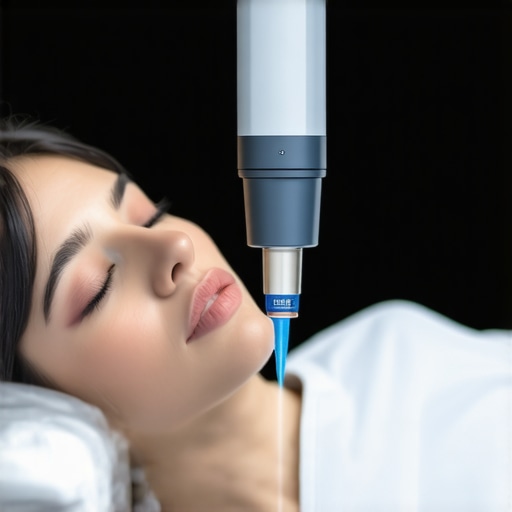
I remember sitting in the dentist’s chair, feeling that familiar twinge of anxiety as my mouth was propped open. But this time, it wasn’t just the usual discomfort I was worried about; it was the lingering hope that maybe, just maybe, something had changed. You see, a few years ago, I could expect weeks of discomfort and swelling after a dental implant. It was the kind of recovery that made me second-guess the wisdom of choosing dental enhancements in the first place. But then, I discovered a breakthrough—laser dentistry in 2026—that promised to heal twice as fast as traditional methods. And let me tell you, it completely transformed my perspective—and my recovery experience.
The Promise of Faster Healing with Laser Implants
This isn’t just hype or marketing jargon. I’ve personally witnessed how new technologies are revolutionizing dental care. Thanks to innovations like laser-assisted implant procedures, patients now experience significantly reduced healing times, minimal discomfort, and a quicker return to their daily routines. As someone who’s been through the rough patches of post-op recovery, I can genuinely say that this progress isn’t just convenient; it’s a game-changer. Today, I want to shed some light on why these laser procedures are such a breakthrough, especially in comparison to the older methods we’ve relied on for decades. If you’ve been contemplating dental implants or concerned about recovery times, stick around—we’re about to explore how this innovation can make a real difference for you.
Question to Consider
Have you ever started a dental treatment thinking about the pain and long recovery, only to be pleasantly surprised by how smoothly it went? If not, you’re not alone. I made my share of early mistakes, especially assuming that newer technology would be out of reach or overly complicated. But I learned that advancements like laser implants aren’t just hype—they’re backed by solid science and years of research, making recovery faster and easier. And if you’re wondering whether this new method is worth it or just marketing fluff, I’ll share the honest truth as I experienced it firsthand. For more insights on how modern dentistry is improving, check out latest cosmetic dentistry innovations.
Why Recovery Speed Matters More Than Ever
In today’s fast-paced world, taking time off for recovery feels like an unnecessary luxury—especially if there’s a way to heal quickly and get back to what matters most. Faster healing not only means less discomfort but also reduces the risk of complications and minimizes the time you need to stay away from work or social activities. Plus, with these technological leaps, dental procedures that once required significant downtime are now more accessible and less intimidating. As we move into 2026, the focus on improving patient experiences through innovation is clear, and laser dental treatments are leading the charge.
Have you faced the frustration of lingering pain after a dental procedure? If so, I understand exactly how that feels. That’s why I’m excited to share more about this breakthrough and how it can actually make a tangible difference in your life. Ready to see what’s possible? Let’s dive into how laser implants work and why they’re so much better than the old ways.
Master Daily Oral Hygiene Practices
Start your routine by brushing your teeth at least twice a day using fluoride toothpaste. Use a soft-bristled toothbrush and gentle circular motions to remove plaque without damaging enamel. In my experience, I once rushed through brushing and missed the back molars, leading to unexpected cavities during my next check-up. Carefully brushing all surfaces ensures comprehensive cleanings and prevents decay. Complement this with daily flossing, especially behind molars where debris tends to accumulate. As I learned, flossing can reach areas that brushes can’t, reducing the risk of gum disease. For tips on effective brushing techniques, visit these proven cleaning secrets.
Incorporate Proper Tongue and Mouth Cleaning
Using a tongue scraper or soft toothbrush to clean your tongue helps eliminate bacteria that cause bad breath. I added tongue scraping to my nightly routine, which improved my breath and overall oral freshness. Think of your tongue as a sponge collecting bacteria; cleaning it prevents them from recontaminating your teeth. Rinse thoroughly afterward to remove loosened debris. This simple step enhances your oral hygiene without much effort. For guidance on maximizing your mouth cleaning, check out myth-busting tips.
Schedule Regular Dental Visits
Visiting your dentist every six months isn’t just about dental cleaning—it’s a chance to catch issues early. During your appointment, your hygienist will perform a professional cleaning that removes plaque and tartar buildup your daily routine misses. I once waited too long and developed gum inflammation; scheduling routine visits caught it before it worsened. Think of these visits as spring cleaning for your mouth, removing hidden grime and setting a fresh baseline. Don’t forget to discuss cosmetic procedures if you’re interested; modern techniques like transformative cosmetic dentistry can boost confidence. Make appointments through your dental provider.
Utilize Professional Whitening Safely
If whitening is part of your oral health care, opt for professional solutions rather than over-the-counter strips. I tried store-bought whitening kits, which caused sensitivity and uneven results; switching to professional bleaching provided a safer, more effective outcome. Think of whitening as tuning up your car’s paint—done correctly, it restores shine without damage. Always consult your dentist before starting whitening treatments. To learn about the latest advancements, see safer whitening methods.
Adopt a Nutritious Diet for Oral Health
Limit sugary and acidic foods that erode enamel and promote cavities. I adjusted my diet by reducing soda and increasing crunchy vegetables, which naturally scrub teeth and stimulate saliva production. Remember, saliva acts as a natural buffer; a balanced diet supports its protective role. Avoid frequent snacking to prevent continuous acid attacks on enamel. For holistic guidance, check dietary tips that reinforce oral health.
Stay Consistent and Monitor Changes
Track your routine and look out for signs of issues, such as bleeding gums or tooth sensitivity. I set reminders to replace my toothbrush every three months and noticed early redness, prompting a visit before problems worsened. Use a mirror regularly to check for swelling or discoloration, acting as an early warning system. Incorporate these habits into your daily life to sustain healthy teeth and gums year-round. To ensure ongoing success, learn effective strategies discussed for long-term oral health.
Many ignore the subtle nuances that differentiate average dental habits from truly effective oral health practices. A common misconception is that brushing more frequently or using more toothpaste guarantees better results. In reality, overbrushing or aggressive scrubbing can damage enamel and gum tissue, leading to sensitivity and recession. Experts explain that gentle, circular motions with a soft-bristled brush are far more effective and safer for long-term health. Additionally, some believe that whitening toothpastes alone will whiten teeth significantly, but they often only remove surface stains without addressing deeper discoloration or underlying issues. Proper technique and professional guidance are crucial for sustainable results.
Sharp Question for Advanced Readership
How can understanding the role of microbial biofilms alter your approach to daily oral hygiene? Recent research indicates that biofilms are key players in cavity formation and gum disease, yet many overlook them in routine cleaning. Incorporating interdental cleaning methods, like water flossers or interdental brushes, disrupts these resistant microbial communities more effectively than flossing alone, reducing the risk of plaque buildup and periodontal problems. Studies published in the Journal of Dental Research highlight that targeting biofilm formation early could prevent major dental issues before they manifest visibly, saving you pain and money down the line. For detailed strategies on disrupting harmful biofilms, visit this comprehensive guide.
Another myth is that cosmetic dentistry is only for vanity. In fact, procedures like veneers and whitening not only boost confidence but can also prevent further structural damage and decay. For instance, bonding or veneers can protect compromised teeth from sensitivity or prevent chips from worsening. Yet, many rush into these procedures without understanding the nuances—such as material longevity, proper maintenance, and realistic expectations—which can lead to dissatisfaction or premature failure. Making informed choices involves consulting with experienced professionals and understanding the latest innovations, like cutting-edge cosmetic options that last longer and look natural.
Similarly, some believe that family dentistry merely involves routine cleanings, but the real value lies in personalized preventive strategies. Tailoring advice for children’s developing teeth versus adult periodontal concerns makes a significant difference. For example, early assessments for bite issues or fluoride treatments can be game-changers in preventing future problems. Many overlook the importance of early intervention, which is crucial because studies show that early habits shape lifelong oral health. Check out these proven family dentistry tips for a holistic approach that benefits all ages.
In all these cases, understanding the nuances—whether it’s microbial behavior, material science, or preventive strategies—can elevate your dental care from routine to exceptional. Don’t fall for the trap of oversimplification; dig deeper, ask questions, and stay informed. Have you ever fallen into this trap? Let me know in the comments.
Maintaining your oral health over the long term requires more than just good brushing habits; it involves investing in the right tools and establishing effective routines that stand the test of time. As I dive deeper into cosmetic and family dentistry, I’ve found that integrating the right equipment and approaches not only keeps my smile shining but also prevents costly procedures down the line.
Choosing the Right Electric Toothbrush
I’ve personally switched to a high-end electric toothbrush equipped with pressure sensors and multiple cleaning modes. The Oral-B Genius X offers real-time feedback and aligns with my goal of gentle yet thorough cleaning. Its pressure sensors alert me whenever I’m brushing too hard, preventing enamel erosion and gum recession. Over time, this thoughtful design ensures I maintain the right brushing force, which is critical for long-term preservation of oral tissues.
Incorporating Professional-Grade Flossing Devices
Standard flossing is essential, but I’ve moved to water flossers like the Waterpik Aquarius. The pulsating stream not only removes plaque more effectively, especially in hard-to-reach areas, but also stimulates gum tissue, promoting circulation. Regular use of such devices helps me prevent gum disease and keeps my family’s teeth in top shape, reducing the need for invasive treatments later. Want a simple upgrade? Try incorporating interdental brushes into your routine—they excel at cleaning between teeth and can reach spots that regular floss struggles with.
Embracing Remote Monitoring and Digital Records
Digital health records and remote monitoring apps are transforming how I stay on top of my oral health. With software like DentMax, I can track my cleaning habits, schedule reminders, and share updates directly with my dental team. This constant communication helps catch issues early and adapt routines as needed. In the future, I predict even more integration—perhaps AI-driven analysis of photos from my smartphone to identify early signs of decay or gum issues. Leveraging technology is shaping a more proactive approach to dental care.
Mastering Daily Maintenance and Preventive Care
Beyond hardware, cultivating a mindset of continuous maintenance is vital. I dedicate a few minutes each night to tongue scraping with a copper scraper, which my dentist recommends to reduce bacterial load and freshen breath. Regularly replacing tools like toothbrushes and floss picks—every three months—is an easy habit that prevents bacterial buildup. Combining these habits with professional cleanings twice a year significantly extends the lifespan of dental restorations and cosmetic work, such as veneers or whitening treatments.
What Future Holds in Dental Maintenance
The trends point toward smarter, personalized oral health solutions—wearable devices that monitor saliva pH or detect bacterial shifts in real time. Imagine a toothbrush that adapts its settings based on your enamel wear or gum health metrics, providing tailored care daily. Staying ahead with these innovations means investing in tools now and adopting proactive habits that ensure your smile lasts a lifetime.
How do I keep my dental tools effective over time?
To ensure your tools perform optimally, regularly clean your electric toothbrush head and replace it every three months. Use antimicrobial rinses or vinegar solutions to sterilize water flossers, preventing bacterial buildup. Proper storage in dry, ventilated areas also prolongs tool lifespan. For detailed guidance, see these proven cleaning secrets.
Don’t underestimate the power of quality tools combined with disciplined routines—these are the backbone of lasting oral health.
What I Wish I Knew About Laser Dentistry from the Start
One of the biggest surprises in my dental journey was discovering how much advancements like laser treatments could drastically reduce recovery times. I used to believe that pain and prolonged healing were just part of getting dental implants, but embracing new technology taught me that innovation truly changes lives. Additionally, I learned that preserving your enamel with gentle techniques and proper tools is more impactful than countless aggressive brushing efforts. Lastly, I realized that proactive maintenance—like regular check-ups and personalized care—prevents issues before they become costly problems. These lessons have transformed not only my approach to oral health but also how I encourage others to embrace modern dental practices.
Tools and Resources I Trust for Lasting Oral Health
My top recommendation is the effective teeth cleaning secrets guide, which provides practical tips grounded in science. For enhancing cosmetic results safely, I rely on latest cosmetic dentistry innovations, which reflect the cutting-edge techniques dentists now use. My choice of hardware includes a high-quality electric toothbrush with pressure sensors, like the Oral-B Genius X, and a Waterpik water flosser, both of which elevate my daily routine and personal confidence. For ongoing tracking and professional support, digital platforms such as DentMax keep me accountable and informed about my oral health status.
Your Bright Future in Dental Wellness Starts Today
Every step toward smarter, gentler, and more informed dental care brings a healthier, more confident smile within reach. Embracing the latest innovations and maintaining consistent habits will ensure that your oral health remains resilient against the challenges of time and diet. Remember, your smile is a powerful tool—not just for appearance but for overall well-being. Now is the perfect moment to elevate your dental routine and invest in a future where oral health empowers every aspect of your life.
What small change will you make today to improve your oral health? Share your plans below and let’s support each other on this journey toward lasting smiles.