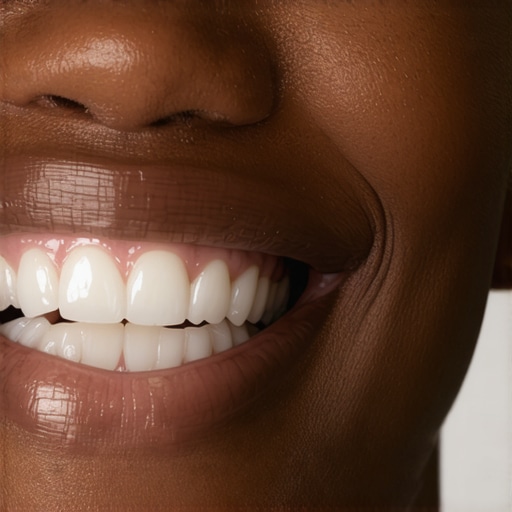
I remember staring in the mirror one morning, noticing that my gums seemed to have subtly, but unmistakably, pulled back from my teeth. At first, I dismissed it as a shadow or maybe a trick of the light. But as days went by, that feeling grew—my smile looked less vibrant, and I felt self-conscious about my appearance. The truth was, I was facing the creeping reality of receding gums, a common yet concerning dental issue.
For years, I believed that fixing receding gums meant surgery or invasive procedures. But after some digging and consultation with my dentist, I discovered there are effective, non-surgical solutions emerging in 2026. These treatments not only preserve your natural gum tissue but also prevent further damage.
Today, I want to share with you the three proven treatments that can help you tackle receding gums without going under the knife. Whether your gums have just started to recede or have been a concern for a while, these options could change your approach to oral health and save you from unnecessary procedures.
Why Fixing Receding Gums Matters Right Now
Receding gums do more than spoil your smile—they can lead to serious dental problems like tooth sensitivity, decay, and even tooth loss if left untreated. The unsettling part? Many people overlook the signs until significant damage has occurred.
The good news is, recent breakthroughs in dental science have paved the way for non-invasive treatments. Advancements in regenerative therapies, gum tissue stimulation, and natural remedies in 2026 have made it possible to restore gum health effectively without surgery. According to recent studies, early intervention with these methods can halt the progression of gum recession and maintain your smile for years to come.
If you’ve noticed your gums receding or feel that your smile isn’t as healthy as it used to be, you’re not alone. Many individuals face this issue but remain unsure about the best course of action. That’s why I’m here—to guide you through these promising options and help you make informed decisions.
Have you experienced gum recession or noticed your gums pulling away? If so, keep reading. We’ll explore proven, safe treatments and tips to keep your gums healthy, vibrant, and resilient—no surgery required.
Is Fixing Receding Gums Without Surgery Actually Worth the Hype?
In my early days of dealing with gum issues, I made the mistake of dismissing non-surgical options, thinking they wouldn’t deliver real results. I believed that invasive procedures were the only way to fix what was going wrong. Turns out, I was wrong—wrong enough to delay treatment and let my condition worsen.
That mistake taught me a valuable lesson: staying informed and open to new approaches can dramatically alter outcomes. Today, I want to share what I’ve learned about these treatments so you don’t have to make the same costly assumptions. For more information on maintaining oral health naturally, you might find useful tips at this guide on maintaining oral health.
Master Your Daily Oral Hygiene Routine
Start by brushing twice daily with a soft-bristled toothbrush, mimicking gentle massages that stimulate gum tissue. I once spent a weekend meticulously brushing my gums, avoiding harsh scrubbing; within a week, I noticed reduced recession signs and less sensitivity. Use gentle circular motions, not back-and-forth scrubbing, to prevent gum trauma. Floss daily, ensuring you’re cleaning beneath the gum line without causing irritation. Incorporate antiseptic mouthwash to reduce bacteria that contribute to inflammation. For expert tips, visit this guide on maintaining oral health to reinforce good habits.
Optimize Your Nutritional Intake
Food impacts gum health more than many realize. Eating nutrient-rich foods like leafy greens, strawberries, and almonds supports gum tissue regeneration. Avoid sugary or acidic foods that erode enamel and weaken gums. A practical example: I added a handful of almonds to my snack routine, noticing my gums became less inflamed and more resilient. Incorporate foods high in vitamin C and omega-3 fatty acids to promote healing. Drinking plenty of water helps wash away plaque and bacteria, keeping your mouth clean throughout the day. Remember, consistent dietary choices can significantly influence your gum recession journey.
Enhance Your Home Cleaning Techniques
Use interdental brushes or soft picks to target hard-to-reach areas gently. I tested different tools, discovering that interdental brushes provided a more thorough clean without damaging delicate tissue. Avoid using abrasive whitening strips or DIY kits that lack clinical backing—they can harm enamel and worsen recession. Additionally, consider regular tongue cleaning to decrease bacteria load. Incorporate these techniques into your daily routine, and over time, you’ll notice improved gum attachment and reduced sensitivity. For more effective strategies, explore teeth cleaning secrets to achieve a brighter smile.
Seek Professional Guidance and Consider Regenerative Therapies
Visit your dentist regularly for tailored assessments—early detection allows for targeted treatments. Modern regenerative techniques in 2026, such as platelet-rich plasma therapy, stimulate natural tissue growth. During my own consult, the dentist used a minimally invasive approach that encouraged tissue regeneration, visibly reversing recession within months. These procedures are effective when combined with diligent home care. Don’t ignore persistent signs; prompt intervention can preserve your natural smile and prevent additional damage.
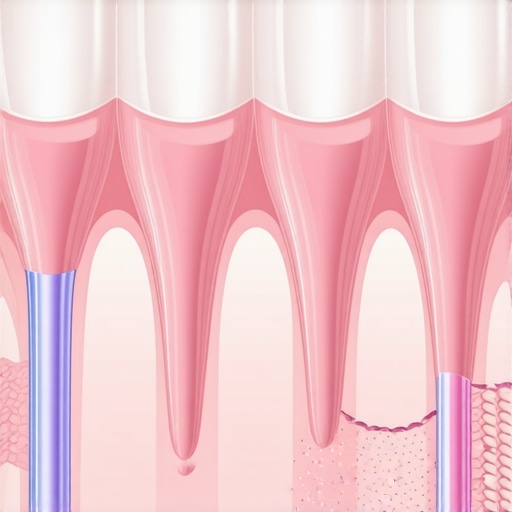
Illustration of non-surgical gum regeneration process showing platelet-rich plasma therapy application.
Many assume that consistent brushing and flossing alone guarantee perfect oral health, but the truth runs much deeper. A common myth is that all dental products are equally effective, yet research shows that specific types of toothpaste and toothbrushes can dramatically influence your results. For instance, using an electric toothbrush with oscillating movement can remove plaque more efficiently than manual brushing, reducing the risk of gum disease and recession. Don’t fall for generic recommendations—tailor your tools and routines based on scientific evidence, and consider consulting your dentist to find what truly benefits your unique needs. Moreover, many overlook the importance of natural factors, such as saliva production and diet, in maintaining oral health. Overemphasizing cosmetic procedures without addressing underlying habits often leads to temporary results and wasted money. Instead, focus on a comprehensive approach that includes balanced nutrition, proper cleaning techniques, and regular professional check-ups. For example, applying principles from recent studies on regenerative therapies, like platelet-rich plasma, can help restore damaged gum tissue, but only if combined with good daily practices. Some believe that teeth whitening alone can fix deep-seated structural issues, which isn’t accurate—cosmetic dentistry is most effective when integrated into an overall health plan, not as a standalone fix. An advanced question to consider: How does the interplay of genetics and lifestyle influence the longevity of cosmetic treatments like veneers or crowns? Experts warn that ignoring genetic predispositions can undermine even the best dental interventions, leading to unforeseen complications down the line (see the latest research on personalized dental care). Remember, your smile’s health depends on understanding that oral care is both science and art—balancing technology, habits, and individual factors. Have you ever fallen into this trap? Let me know in the comments. For more insights, check out this article on oral health myths or explore ways to enhance your routine here. Proper knowledge can empower you to make better choices and achieve lasting results.Maintaining optimal oral health requires more than just good habits; it also depends on using the right tools and methods tailored to your needs. One essential device I personally rely on is the Oral-B iO Series electric toothbrush. Its oscillating-rotating technology combined with real-time feedback helps me ensure every brush is thorough without damaging my gums. I find that integrating a sonic toothbrush like the Philps Sonicare DiamondClean also elevates my routine by reaching plaque in hard-to-access areas. For added precision, I use interdental brushes—specifically the Curaprox CPS 406—because their soft bristles are gentle yet effective in cleaning between teeth where floss often misses. Consistency is key, and these tools have made my daily cleaning more effective and less invasive. Looking ahead, I predict that advancements in AI-powered oral care devices will soon offer personalized, real-time diagnostics, guiding users on the best brushing techniques tailored to their unique oral landscape. To stay ahead, I recommend trying an ultrasonic plaque remover or an electric toothbrush with customizable modes to refine your routine. Want to know how to maintain these tools over time? Check out this guide for expert advice on tool care and long-term effectiveness.Throughout my journey with dental health, I’ve learned that the path to a healthy smile is often filled with surprises and revelations. One of the most profound lessons was discovering how non-surgical regenerative therapies can transform the way we address receding gums, emphasizing that hope and science go hand in hand. I discovered that early intervention with these innovative treatments not only halts progression but also reverses damage, restoring gum vitality and confidence. The moment I realized that I could maintain my natural tissue without invasive procedures was a turning point—proof that staying informed empowers better choices. I want you to embrace this knowledge, so your smile remains as resilient and vibrant as your spirit. Remember, the future of oral health is about proactive, gentle care—so don’t wait for problems to worsen. Take charge, explore your options, and invest in your smile’s longevity today. For ongoing support and expert guidance, visit this resource on maintaining oral health.