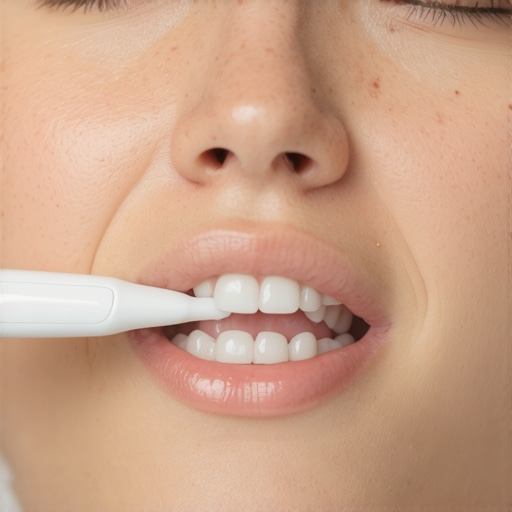
I’ll never forget the moment I caught myself wincing during my nightly brushing, despite thinking I was doing everything right. The sensation was strange—almost like my gums were being scratched or irritated. It hit me hard that my trusty electric toothbrush might be causing more harm than good. Have you ever experienced discomfort or bleeding after brushing, yet dismissed it as just normal? That’s exactly what I used to do, until I realized I was unknowingly damaging my gums.
Why Your Electric Toothbrush Might Be Sabotaging Your Smile
Electric toothbrushes are marketed as the ultimate tool for better oral hygiene. They promise whiter teeth, fresher breath, and healthier gums in minutes a day. But, unfortunately, not all brushes are created equal—and some might be doing more harm than good if used improperly. The key is understanding the signs that indicate your device may be overdoing it. Because what many don’t realize is that aggressive brushing—especially with the wrong settings—can lead to gum recession, sensitivity, and even enamel wear. As early as 2025, studies revealed that overbrushing with high-speed electric toothbrushes could cause gum damage, which often goes unnoticed until more serious issues surface.
Could My Electric Toothbrush Really Damage My Gums?
Early in my journey, I made the mistake of using a manual brushing technique on an electric brush, thinking I needed to press hard for it to work. Turns out, this common error can trigger gum recession over time. It’s easy to fall into the trap of relying solely on technology without understanding how to use it properly. Have you ever wondered if your brushing habits are actually helping or hurting your oral health? You’re not alone. Many people assume a more vigorous approach equals cleaner teeth, but the reality is quite different. Learning to use your electric toothbrush correctly is the first step toward avoiding damage and maintaining a healthy, bright smile. For expert guidance, I recommend checking out detailed [teeth cleaning secrets](https://gentlesmiledentist.com/teeth-cleaning-secrets-achieve-a-bright-smile-in-under-30-minutes) that can help you optimize your routine. Now, let’s explore how you can identify the signs that your electric toothbrush is doing more harm than good—and what to do about it.
Get the Right Grip and Pressure
Begin by holding your electric toothbrush like a pen—light and steady—focusing on gentle contact rather than pressing hard. I remember once trying to scrub fiercely to mimic my manual routine, only to notice increased gum sensitivity the next day. Gradually, I learned that firm pressure isn’t necessary with electric brushes and can actually harm your gums. Think of your toothbrush as a delicate paintbrush—light strokes yield better results without damage. To make this habit stick, set a timer for 2 minutes and focus on gentle circular motions on each section of your mouth. Learn more about effective teeth cleaning techniques to optimize your routine.
Position Your Brush Correctly
Place the brush at a 45-degree angle towards the gum line—this is where plaque and tartar buildup thrive. Once, I struggled with improper angle, causing my gums to bleed after brushing. Imagine your toothbrush as a tiny bulldozer—aim it along the curve of your teeth and gently sweep away debris. Avoid scrubbing back and forth with aggressive force; instead, use the brush’s oscillating motion intuitively. Practice in front of a mirror, and you’ll start to feel how minimal pressure works best. For detailed guidance, check out best teeth cleaning techniques.
Target All Surfaces Methodically
Divide your mouth into quadrants—upper right, upper left, lower right, lower left—and dedicate 30 seconds to each. My first attempt was a chaotic rush, missing spots and causing uneven wear. Think of cleaning your teeth like tending a garden—each section needs attention, not just the most visible areas. Use the vibrating mode to reach areas that manual brushing might neglect, such as behind the molars. This systematic approach ensures comprehensive cleaning, reducing plaque buildup and the risk of gum issues. To deepen your understanding, explore comprehensive teeth cleaning strategies.
Be Mindful of Your Gums and Enamel
Pay close attention to signs of overbrushing, such as gums pulling away or enamel erosion. I once neglected gentle technique and ended up with sensitive teeth; learning to listen to my body’s feedback changed everything. Use a soft-bristled brush and keep sessions brief—aim for a maximum of 2 minutes per session. If your gums feel sore or bleed, reassess your pressure and technique immediately. Incorporate myth-busting tips to ensure you’re not unknowingly harming your oral health.
Regularly Replace Your Brush Head
Set a reminder every 3 months—worn bristles lose their effectiveness and can Sting your gums. I discovered this habit during a busy week when I finally replaced my brush head and immediately felt a smoother, more comfortable clean. Think of this as changing your tires; worn-out components compromise safety and efficiency. Fresh brush heads ensure optimal plaque removal and reduce bacterial buildup, which is crucial for maintaining healthy gums. For more insights, visit teeth cleaning tips.
Schedule Routine Dental Check-Ups
Complement your daily routine with professional cleanings every 6 months—this step catches issues before they escalate. My experience of skipping visits led to unnoticed cavities and gum inflammation; once I committed to regular checkups, my oral health dramatically improved. Think of your dentist as a mechanic for your smile—preventative care extends the lifespan of your teeth and gums. During visits, ask your hygienist for personalized advice on brushing techniques tailored to your needs. To see how dental care supports cosmetic improvements, explore cosmetic dentistry.
Even with all the advancements in dental science, many myths persist that could undermine your oral health. One widespread misconception is that frequent teeth whitening damages enamel permanently. In reality, when performed under professional guidance, modern whitening treatments are safe and effective, as supported by recent studies in the Journal of Clinical Dentistry. Another trap is the belief that more aggressive brushing leads to cleaner teeth; however, excessive force can cause gum recession and enamel erosion—making gentle, correct technique far more crucial. An often-overlooked nuance is that cosmetic procedures like veneers aren’t a quick fix for all stains or chips; their longevity depends heavily on proper maintenance and realistic expectations. Have you ever fallen into this trap? Let me know in the comments. When it comes to family dentistry, many assume children should wait until their first teeth appear before visiting the dentist. Conversely, early visits, often before age one, can prevent future issues by establishing healthy habits early on. It’s a nuanced approach that many overlook, underscoring how crucial comprehensive education is. Additionally, some believe that regular professional cleaning isn’t necessary unless you have visible plaque, but routine cleanings remove hidden tartar that causes gum disease and decay, as highlighted in a recent article on preventive care. Recognizing these misconceptions allows you to make more informed decisions, optimizing your oral health journey. Remember, not all advice you hear is backed by science; it’s vital to verify claims and consult professionals for tailored guidance.
What Makes a Dental Tool Truly Effective?
When it comes to maintaining your smile, using the right tools can make all the difference. Personally, I rely on a high-quality electric toothbrush with customizable settings, like the Oral-B Genius X. Its AI technology adapts to my brushing habits, providing real-time feedback that helps me avoid overbrushing and gum damage. Additionally, I swear by a water flosser such as the Waterpik Aquarius because it effectively clears debris from hard-to-reach spots, minimizing plaque buildup and promoting healthy gums. Combining these tools with a good-quality fluoride toothpaste creates a formidable routine that supports long-term oral health.
How do I maintain these tools over time?
To ensure your dental tools remain effective, regular maintenance is essential. For electric brushes, replace the brush head every three months—or sooner if the bristles fray—to keep cleaning power at its peak. Clean the device itself by wiping it with a damp cloth and occasionally running it through a disinfection cycle, especially during flu season. For water flossers, descale with vinegar or a descaling solution every few months to prevent mineral buildup, which can impact performance. Staying on top of this maintenance not only prolongs the lifespan of your equipment but also guarantees that you’re always achieving optimal cleaning results.
Invest in Smart Apps for Better Outcomes
If you’re looking to supercharge your oral hygiene, consider apps like the SmilePro. These apps sync with smart toothbrushes, tracking your brushing duration, pressure, and coverage to provide tailored feedback. I’ve found that such digital coaching keeps me accountable and helps me refine my technique, reducing damage and improving overall effectiveness. As technology advances, I predict more brands will embed AI-driven diagnostics into their devices—making personalized dental care more accessible at home. This trend promises a future where managing your oral health becomes as effortless as tracking your daily steps.
Why Regular Tool Upgrades Matter
Just like your smartphone, your dental tools benefit from regular upgrades. Innovations in bristle materials, ergonomic design, and smart features mean that newer devices outperform older models in cleaning efficiency and user comfort. For example, recent studies suggest that latest-generation electric brushes reduce plaque more effectively than older models. Upgrading your tools every few years isn’t just about staying trendy—it’s about making sure you’re leveraging the best technology to maintain your smile’s health and beauty.
To get the most out of your investment, I recommend setting reminders to replace and review your dental equipment quarterly. Trying out newer models or features like Bluetooth connectivity can elevate your routine and provide deeper insights into your habits. If you’re eager to see what’s coming next, check out innovations in cosmetic dentistry. Ready to transform your routine? Start by adopting a water flosser for targeted cleaning—your gums will thank you!
What I Wish I Knew About Overbrushing and Its Hidden Dangers
One of the most surprising lessons I learned was that aggressive brushing doesn’t just feel unpleasant—it can actively harm your gums and enamel. I once thought that scrubbing harder would clean better, but that misconception cost me comfort and confidence. Now, I realize gentle, deliberate technique is key, and sharing this insight might save others from painful surprises.
The Power of Consistency Over Quick Fixes
Investing in routine, rather than chasing instant results, has transformed my approach to oral health. Regular visits and daily care, even when tired or busy, build a foundation that no quick whitening or gimmick can replace. This mindset shift has been my most valuable takeaway, emphasizing patience and commitment over shortcuts.
Choosing Tools with Personal Care in Mind
After experimenting with various dental tools, I discovered that high-quality, personalized devices—like my trusted electric toothbrush with smart features—make all the difference. This isn’t about the latest gadget but about finding what suits your specific needs and maintaining it properly. Investing thoughtfully in your dental toolkit can be a game-changer for long-term health.
Curated Strategies That Keep My Smile Bright and Healthy
From my favorite water flosser to recommended habits from my dentist, I’ve gathered a set of reliable strategies that have stood the test of time. Incorporating these into daily routines has minimized dental issues and maximized confidence. For a comprehensive list of proven methods, check out these simple teeth cleaning secrets.
The Costa of Ignoring Small Signs
Neglecting minor discomforts or subtle changes can lead to bigger problems down the road. I learned this the hard way when ignoring early signs of sensitivity led to costly and invasive treatments later. Paying attention to your body’s signals and seeking professional advice when needed is one of the smartest investments in your oral health journey.
Embark on Your Journey to a Dazzling Smile Today
Understanding these lessons and incorporating smart habits can elevate your oral hygiene from routine to something truly impactful. Don’t wait for problems to arise—start today with informed choices and trusted tools. Remember, a healthy, radiant smile is achievable when you treat your teeth with care and respect every step of the way.
What’s the biggest myth about teeth cleaning or cosmetic dentistry you’ve believed? Share your thoughts below—I’d love to hear your experiences and questions!
.