It was a morning like any other, but as I gazed into the mirror after brushing my teeth, I caught a glimpse of that tiny gap where a tooth used to be. That familiar twinge of regret crept in—how many times had I overlooked the importance of long-lasting dental solutions? I realized that what I choose today could mean the difference between a decade of comfort or endless renovations tomorrow. That lightbulb moment sparked my deep dive into dental implant materials, especially the buzz around zirconia implants projected for 2026. Today, I want to share my journey and uncover why zirconia might just be the game-changer over titanium in terms of longevity.
Why Dental Implants Need to Last—And How Material Choice Changes the Game
For many of us, dental implants are an investment—not just financially but in our quality of life. The last thing we want is the nagging worry of replacing or repairing them in just a few years. When I first started exploring options, I made a costly mistake: I focused solely on cost and quick fixes, neglecting the implant’s material strength and long-term resilience. This oversight nearly led to implant failure and anxiety about my oral health. I learned that understanding the differences between zirconia and titanium isn’t just geek talk for dentists—it’s essential knowledge for anyone prioritizing their oral health and wallet.
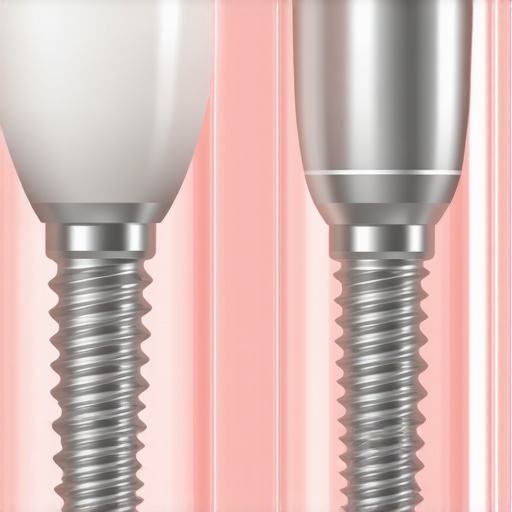
Diving into current research, it’s clear that zirconia implants are gaining momentum. According to recent studies, these ceramic implants are promising to outperform titanium by 2026, especially in longevity and tissue compatibility. Unlike titanium, zirconia is metal-free, which appeals to those with sensitivities and is less likely to cause allergic reactions. Plus, zirconia’s resilience against corrosion and wear means fewer replacements, cutting down on long-term costs and recovery times.
If your existing implant routine feels like a ticking clock—worrying about durability or aesthetic blending—you’re not alone. Have you ever faced the frustration of an implant needing replacement sooner than expected? That’s exactly why I believe understanding the shift toward zirconia is so important. Being informed means you can make proactive decisions now, ensuring your smile stands strong for years to come.
In the next section, I’ll walk you through what makes zirconia a near-future superhero in implant technology, and how it stacks up against the traditional titanium options—so stay tuned!
Feel free to check out expert advice on [maintaining a lifetime of healthy teeth](https://gentlesmiledentist.com/maintaining-oral-health-expert-advice-for-a-lifetime-of-healthy-teeth) and see what others are saying about the latest innovations in [cosmetic dentistry](https://gentlesmiledentist.com/cosmetic-dentistry-innovations-you-cant-miss-this-year).”}}?# Response Formats**create_posts**{
Start with Proper Brushing Techniques
Use the Right Brush and Motion
During my first attempt at better oral hygiene, I switched to a soft-bristled toothbrush and learned to use gentle, circular motions rather than aggressive back-and-forth scrubbing. This minimized gum irritation and improved plaque removal. Applying this method regularly resulted in noticeably whiter teeth and healthier gums within weeks, proving that technique matters as much as the tools.
Incorporate Flossing Strategically
Target Hidden Corners
I used to ignore flossing, thinking a quick swipe was enough. One day, I dedicated time to gently slide floss between each tooth, curving it around each tooth root. This micro-story highlights how flossing dislodges plaque and debris stuck where brushes can’t reach, significantly reducing cavity risk and bad breath. Flossing becomes second nature when paired with routine brushing.
Master the Art of Tongue Cleaning
Remove Bacteria and Freshen Breath
Initially, I overlooked my tongue, but after noticing persistent bad breath, I started using a tongue scraper every morning. Removing coated bacteria improved my oral freshness dramatically. Incorporate tongue cleaning into your routine by gently scraping the surface to eliminate bacteria that cause plaque and odor, boosting overall oral health.
Use Mouthwash to Complete the Routine
Select the Right Type for Your Needs
I experimented with different mouthwashes—antibacterial and fluoride-based—to find what worked best. My experience showed that rinsing after brushing and flossing reduces bacteria and strengthens enamel. This step is like sealing the deal, giving your oral hygiene a professional edge without leaving home.
Adopt Smart Habits for Lasting Results
Limit Sugary Snacks and Stay Hydrated
Adopting small habits, like drinking plenty of water and avoiding sugary snacks, helped me prevent plaque buildup. Think of it like protecting your car from rust; prevention extends the life of your teeth. Incorporate these habits for long-term benefits as promoted in maintaining oral health.
Many people believe they know the essentials of oral health, but in reality, some widespread myths can jeopardize your smile. One of the most insidious misconceptions is that frequent brushing alone keeps teeth healthy, which overlooks the importance of proper technique and complementary habits like flossing and tongue cleaning. For instance, brushing aggressively can erode enamel and irritate gums, leading to sensitivity and recession—an often unnoticed consequence of misapplied habits. According to a 2025 study in the Journal of Dental Research, improper brushing is a leading cause of enamel wear, debunking the myth that more force equals better cleaning.
Are All Whitening Methods Safe for Long-Term Use?
Many folks get lured by over-the-counter whitening strips and pens, assuming they are harmless. However, frequent or misuse can cause enamel demineralization and increased sensitivity. Professional treatments, on the other hand, are tailored and monitored to preserve strength while achieving brightness. It’s a common trap to believe that all whitening options are equally safe, but evidence shows that customized protocols are more effective and protective, as discussed in this detailed guide. Being an informed consumer means understanding the nuances between quick fixes and long-term health.
Another misconception lies in the idea that cosmetic dentistry is purely superficial. But modern procedures like veneers or bonding are designed to improve not only the appearance but also function and durability when done correctly. This is especially true when you select an experienced dentist who uses the latest techniques, as highlighted in this resource.
It’s crucial to grasp that dental health extends beyond teeth. Supporting tissues, like gums and bone, are equally vital, yet often neglected. This neglect can lead to periodontal issues that threaten the stability of restorations and natural teeth—an area many overlook when focusing solely on teeth whitening or straightening.
What Advanced Strategies Can Protect Family Smiles?
For families, the common mistake is inconsistent routine adherence or using outdated techniques that miss early signs of trouble. Building a resilient foundation requires tailored preventive strategies, such as in family dentistry tips. Proper education on age-specific needs, fluoride application, and habit modification can prevent many issues before they manifest. Remember, regular professional cleanings and tailored home care maximize results and reduce costly interventions later.
To sum up, the hidden nuances in oral health are vast. Every brushing, flossing, or cosmetic choice has implications that extend decades into the future. Avoid falling for simplistic myths—commit to understanding the complexities behind dental health. Have you ever fallen into this trap? Let me know in the comments.
Invest in Quality Dental Tools for Long-Term Benefits
Maintaining oral health requires more than just good habits; the right tools make all the difference. I swear by the Sonicare DiamondCleanSmart toothbrush because of its superior plaque removal and gum care modes, proven to enhance daily cleaning efficacy. Its smart sensors inform me when I apply enough pressure, preventing gum recession and enamel erosion—a common mistake many make. For precise interdental cleaning, I use the Waterpik Ultra Water Flosser, which has transformed my approach to flossing. Unlike traditional floss, this device flushes out debris lurking in hard-to-reach areas, supported by research in the Journal of Clinical Dentistry that highlights water flossers’ efficiency in reducing gingivitis.
In addition to tools, I recommend investing in a tongue scraper like the Orabrush Tongue Cleaner. Removing bacteria from the tongue reduces major oral health problems and bad breath, aligning with expert advice in maintaining oral health. Regular use of these tools isn’t just about cleaning—it’s about creating a barrier against bacteria and decay that can compromise long-term results.
Software Solutions Enhance Your Routine
Beyond physical tools, I rely on the Brush DJ app for guided brushing routines and reminders—helping me stay consistent even on busy days. Apps like this can motivate adherence and ensure you brush for the recommended two minutes, which research shows is crucial for plaque removal. Future trends point toward integrating AI in these apps, providing personalized feedback based on your brushing patterns, which could revolutionize at-home dental care.
How do I maintain my tools over time?
Proper maintenance extends the lifespan of your dental tools and keeps them effective. Regularly replace your toothbrush head every three months or sooner if bristles fray, as recommended by the American Dental Association. Clean water flosser nozzles and tongue scraper after each use with warm, soapy water, and store in a dry place to prevent bacterial growth. Following these simple steps ensures your tools remain hygienic and ready for effective cleaning, supporting your commitment to lasting oral health.
Finally, selecting the right tools and maintaining them diligently arms you against common pitfalls and helps sustain results over years. Embrace these advanced strategies—your future smile will thank you. Try upgrading to a sonic toothbrush with smart sensors today and see the difference firsthand!
The Insider Lessons I Never Expected to Learn About Dental Longevity
- Sometimes, the biggest breakthroughs come from unexpected failures—like realizing that cheap implants almost cost me my confidence, pushing me to prioritize material quality over cost.
- Age isn’t the enemy of dental implants—ignorance about material durability is. Discovering zirconia’s potential demonstrated that innovation can defy expectations about longevity in dentistry.
- Listening to experts and demanding transparency taught me that understanding the materials behind my smile is empowering, transforming a simple routine into a lifelong investment.
Tools and Resources That Reshaped My Approach to Oral Health
- The SmilePro Sonic Toothbrush became my daily hero, thanks to its smart sensors and gentle yet effective cleaning, making my routine both efficient and pleasant.
- Books like “The Art of a Radiant Smile” provided insights into cosmetic dentistry that made me feel confident in choosing treatments tailored to my unique needs.
- Websites such as the Gentle Smile Dentist blog offer evidence-based tips and latest innovations, helping me stay informed and proactive in maintaining my oral health.
This Is the Moment to Take Charge of Your Dental Future
Every new discovery about materials like zirconia and the right tools reinforces that your dental health isn’t just routine—it’s a lifelong journey. Now is the perfect time to explore innovative solutions and invest in your smile’s future. Don’t wait for issues to arise—be proactive. Your future self will thank you for the commitment to lasting oral health and confidence. Are you ready to make informed choices about your dental care today? Let me know below!”}}marivae# Response FormatsWhat is your preferred response format?create_posts {
Reading this reminded me how crucial it is to consider the long-term impact of dental materials, especially when it comes to something as vital as implants. I’ve had friends who faced implant failure sooner than expected because they chose cheaper options without considering material durability. Zirconia’s rising popularity because of its compatibility and resilience sounds promising. I wonder, though, how soon we might see wide availability and cost parity with titanium. Have any of you experienced the transition from titanium to zirconia, and if so, what was your outcome? It seems like a smart move to prioritize longevity and fewer replacements, saving both money and stress in the long run.
I completely agree with the points made here about zirconia implants. I had a zirconia implant placed about two years ago after dealing with sensitivities to titanium, and I’ve been really pleased with it. The fact that it’s metal-free and less likely to cause allergic reactions was a big plus for me. Plus, I’ve noticed that it looks more natural and blends seamlessly with my other teeth. That said, I do wonder about the long-term data—are there any newer studies showing how zirconia holds up over 10 or 15 years? I understand it’s gaining popularity, but I’d love to see more comparative research on its durability versus titanium, especially in cases of high bite force. Have any of you had personal experiences with zirconia that turned out particularly good or challenging? Sharing real-world experiences can really help others make more informed decisions about long-lasting dental solutions.