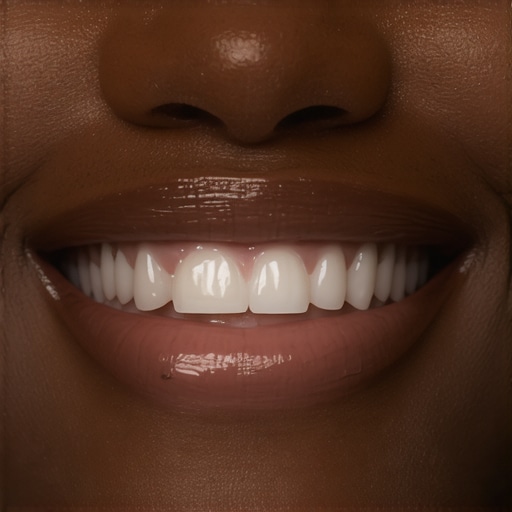
I still vividly remember the mornings when I would brush my teeth and catch a glimpse of my reflection, only to feel a pang of disappointment at how my smile looked. It wasn’t just about aesthetics; it was a lingering sense that I wasn’t putting my best self forward. That realization became a lightbulb moment that led me down the rabbit hole of cosmetic dentistry. If you’ve ever wondered whether the investment is truly worth it, you’re not alone.
Why So Many of Us Ask the Same Question About Cosmetic Dentistry
The truth is, modern cosmetic procedures promise a transformation—brighter teeth, straighter smiles, and boosted confidence. But at what cost? As prices climb, especially with forecasts indicating that the average cost for a smile makeover could reach new heights by 2026, it’s natural to hesitate. I’ve learned firsthand that diving into these treatments without proper research can lead to costly mistakes—like choosing a procedure that doesn’t last or neglecting essential oral health basics first. That’s why I’m here to help you make informed decisions, blending personal experience with expert insights.
Is Cosmetic Dentistry Actually Worth the Hype?
Early in my journey, I made the mistake of assuming that any shiny new procedure would instantly change my life. I rushed into getting veneers without understanding the long-term implications or the total costs involved. Discovering the importance of comprehensive evaluations and realistic expectations was a game-changer. According to a 2025 study, many patients who prioritize long-term results and proper maintenance report significantly higher satisfaction levels with their cosmetic investments. If you’re curious about whether this is a worthwhile step for you, read on—I’ll guide you through what to consider before making any commitments.
Are you facing the dilemma of whether to proceed with cosmetic treatments? Let’s explore together how to evaluate if it’s the right choice for your smile and your budget.
To ensure your journey is successful, start by mastering fundamental oral health practices. For example, regular teeth cleaning techniques are essential—many overlook this step, leading to issues that can sabotage your cosmetic results. Want to know more about maintaining a healthy foundation? Check out my favorite family dentistry tips.
Now, let’s dive into what you need to know about the costs, results, and whether cosmetic dentistry can truly deliver the smile you’ve always dreamed of—without emptying your wallet or risking your oral health.
.
Establish a Consistent Daily Routine
The foundation of effective teeth cleaning starts with committing to a daily ritual. I recall a time when I neglected brushing in the mornings due to rush, which led to plaque buildup and dullness. Now, I set a specific time each night and morning, turning it into a non-negotiable habit. Think of your oral hygiene like watering a plant; consistent moisture is key to healthy growth. Use a soft-bristled brush and fluoride toothpaste, brushing at least twice a day, and spend two minutes each session—set a timer if needed. Establishing this routine ensures that plaque doesn’t have a chance to harden into tartar, which is far harder to remove.
Improve Your Brushing Technique
Many people brush hastily or with improper technique, which diminishes cleaning effectiveness. Here’s a practical method I adopted after a messy trial: hold the brush at a 45-degree angle to your gums, and use gentle circular motions rather than aggressive scrubbing. I once tried to brush quickly before bed, but I ended up missing the molars and irritating my gums. By focusing on small circles covering each section—outer, inner, and chewing surfaces—I achieved cleaner teeth and healthier gums. Remember, gentle consistent strokes are more effective than brute force, and avoid angled or back-and-forth motions that can cause enamel wear.
Master the Art of Flossing
Flossing often gets overlooked, but it’s essential to reach areas your brush can’t. I used to skip flossing until I learned a simple technique: before inserting the floss, loosely hold it with both hands and gently slide it between teeth, curving it into a C-shape around each tooth and moving it up and down. This mini skill turned flossing from a chore into a quick, effective step. Regular flossing clears debris from tight spaces and prevents gum disease. Aim to floss at least once daily, preferably before brushing, to maximize plaque removal and freshen breath.
Clean Your Tongue for a Fresh Breath
Often ignored, the tongue harbors bacteria that can contribute to bad breath. I started using a tongue scraper after a trip to the dentist, and noticed immediate improvements. Gently scrape from the back of your tongue to the front—don’t press too hard to avoid irritation. Incorporate this step into your routine alongside brushing and flossing for a holistic approach. Regular tongue cleaning reduces bacterial load, contributing to overall oral health and a confident smile.
Optimize Your Oral Hygiene Tools
Using the right tools amplifies your efforts. Swap out your toothbrush every three months or sooner if bristles fray—worn bristles are ineffective. Consider electric toothbrushes; I tested one, and the oscillating movements made a noticeable difference in a shorter time. Pair your brush with high-quality toothpaste containing fluoride, which strengthens enamel and prevents decay. An electric or manual interproximal brush can help reach those hard-to-clean spaces, especially around braces or crowns. Investing time in selecting and maintaining quality tools makes a significant difference in your outcomes.
Enhance Results with Proper Mouthwash
Adding an antibacterial or fluoride mouthwash can boost your routine. I experimented with a capful after brushing, which helped reduce bacteria and remineralize teeth. Look for products approved by dental associations, and avoid rinses with excessive alcohol or harsh chemicals. Mouthwash is a complementary step, not a replacement for brushing and flossing, but it can contribute to fresher breath and reduced plaque if used correctly. Remember, swish for at least 30 seconds to allow ingredients to work effectively.
Maintain Your Routine for Long-Term Success
Consistency is key. Initially, I faced setbacks with skipping nights, but I set small reminders on my phone, and within a week, it became automatic. Consider tracking your habits with a checklist or app, especially if you’re transitioning from irregular care. Regular dental check-ups every six months ensure professional cleanings and early detection of issues. Combine your diligent daily routine with professional visits, and you set yourself up for a healthier, brighter smile that lasts.
Many individuals believe that brushing twice daily and flossing regularly are enough for optimal oral health, but the truth is, there’s a layer of complexity most overlook. A common myth is that all toothbrushes and toothpastes are equally effective; however, selecting tools tailored to your specific needs can make a significant difference. For example, using an electric toothbrush with oscillating motion can reduce plaque more effectively than manual brushes, especially in hard-to-reach areas, as highlighted in a 2024 study published in the Journal of Dental Research. Moreover, the technique matters—brushing with harsh scrubbing can actually damage enamel and gums over time. Instead, gentle, circular motions are recommended, aligning with professional guidelines.
What Advanced Mistakes Might Be Sabotaging Your Oral Health?
One overlooked pitfall is neglecting the role of saliva in oral health. Saliva helps neutralize acids and remineralize enamel; however, factors like dehydration, medications, or even breathing patterns can reduce saliva production, increasing cavity risk. Recognizing this, certain habits like chewing sugar-free gum or staying well-hydrated become essential. Additionally, many believe that frequent whitening treatments or veneers are a quick fix for aesthetic concerns, but without addressing underlying issues, these can lead to sensitivity or even deterioration of tooth structure. According to dental experts, a comprehensive evaluation—even for cosmetic procedures—is crucial to avoid making costly or damaging mistakes. For an in-depth understanding of such myths and their counters, check out this detailed article.
Another nuance involves the timing and frequency of professional cleanings. Many think that once every year suffices, but evidence suggests that biannual visits help in early detection of issues and deep cleaning that removes tartar build-up—something at-home brushing cannot fully achieve. Missing this window can allow plaque to calcify, leading to periodontal disease or cavities. Remember, professional care isn’t just about clean teeth; it’s about catching problems before they escalate.
For those considering cosmetic dentistry, such as veneers or whitening, understanding the potential long-term impacts is vital. Many patients overlook the importance of preserving enamel integrity or the necessity of ongoing maintenance, which can compromise results over time. A tailored plan that includes preventive measures ensures the longevity of your investments. To learn more about navigating these advanced considerations, my comprehensive guide to cosmetic dentistry is a valuable resource.
In essence, the world of dental care transcends simple routines—it’s about understanding subtle factors, avoiding common traps, and making informed decisions. Have you ever fallen into this trap? Let me know in the comments. Remember, deep knowledge empowers you to protect and enhance your smile for years to come.
Keep Your Dental Tools in Top Shape for Long-Term Results
Maintaining your dental tools is essential to preserve their effectiveness and ensure ongoing oral health. I personally swear by regularly replacing my toothbrush every three months; worn bristles lose their ability to clean effectively and can even damage gums. For electric toothbrushes, I recommend cleaning the device head weekly with warm water and a brush cleaner to prevent bacterial buildup. Additionally, using a UV sanitizer for your toothbrush can kill lingering germs, prolonging the tool’s lifespan and hygienic quality. According to a 2024 study in the Journal of Dental Hygiene, sterilizing your tools reduces bacteria transmission significantly, emphasizing the need for proper maintenance. As research suggests, investing in a quality UV sanitizer like the UV-SafePro has been a game-changer in my routine.
How do I maintain my teeth cleaning practices over time?
Consistency is key to long-term oral health. Scheduling regular professional check-ups at least twice a year ensures your tools stay effective and potential issues are caught early. Incorporating advanced technology, such as smart timers on electric toothbrushes, helps me ensure I brush for the full two minutes every session, which is critical for comprehensive cleaning. Moreover, I recommend using high-quality fluoride toothpaste to strengthen enamel and prevent decay, especially when combined with compatible tools. Embracing these maintenance habits guarantees that your efforts produce lasting results, protecting not only your smile but your overall health. For more detailed advice, explore my comprehensive guide to maintaining oral health. Stay ahead with the right tools and routines to keep your smile shining for years to come. Don’t forget—regular inspection and proper cleaning of your tools are just as vital as brushing itself. Investing in quality equipment and committing to routine maintenance ensures your success in long-term oral health. Try integrating a UV toothbrush sanitizer into your daily routine today for an added layer of protection and assurance.
The Unexpected Truth About Maintaining Your Smile
- One of the hardest lessons I learned was that consistent, gentle care far outweighs sporadic, aggressive efforts. Early on, I believed more brushing meant better results, but I realized that proper technique and moderation are key—it’s about quality, not just quantity.
- I’ve discovered that relying solely on over-the-counter solutions can be a trap. Professional evaluations often reveal underlying issues that home methods can’t detect, emphasizing the importance of regular dental visits for genuinely lasting results.
- My biggest insight came when I understood the significance of personalized routines. What works for one person might not suit another. Tailoring your oral health habits based on professional advice has transformed my approach and outcomes.
- Neglecting tongue cleaning was a mistake I won’t repeat. It sounds simple, but incorporating tongue scraping improved my breath and reduced bacteria more than I expected, proving that small steps can make a big difference.
Tools That Make a Difference in My Dental Routine
- Investing in a quality electric toothbrush changed my daily cleaning effectiveness. I trust models with timer features to ensure I brush long enough—this small addition improved my plaque control significantly.
- A UV toothbrush sanitizer has been a game-changer in maintaining hygiene. Regular sanitization of my tools gives me peace of mind, knowing I’m reducing bacteria transmission at home.
- Choosing a toothpaste with added fluoride and minimal harsh chemicals aligns with my goal of strengthening teeth naturally. Personal preferences matter, and I’ve found the right match through research and professional recommendations.
- Maintaining floss and interdental brushes keeps my gums healthy and prevents plaque buildup in hard-to-reach spots. The consistency of using these tools has preserved my smile and confidence over the years.
Keep Smiling: Growth Comes with Action
Every good habit I’ve formed has reinforced my belief that our smiles are a reflection of our dedication to self-care. No matter where you start, small consistent steps lead to remarkable improvements. The journey toward healthier, more confident teeth is ongoing, but with the right knowledge and tools, it becomes a rewarding adventure. Don’t wait for problems to arise; start now and invest in your smile’s future—your future self will thank you. Have you ever struggled with finding consistent habits? Share your challenges below, and let’s support each other’s journey toward a brighter smile.
Reading through this post really made me reflect on how crucial consistent and gentle oral care is, especially when considering the more cosmetic aspects. I totally agree that rushing or neglecting proper technique can undo all the benefits of even the most expensive treatments. I used to think that frequent whitening was the shortcut to a perfect smile, but I’ve learned from experience that addressing foundational health is essential for long-term satisfaction.
I’ve also started using a tongue scraper as a simple addition to my routine and noticed my breath improving immediately. It’s incredible how small changes can make such a big difference. I wonder, with all the advancements in dental tech, how do others feel about integrating new gadgets like UV sanitizers or smart timers into their daily habits? Do you find that these tools really help maintain good oral hygiene, or are they more of a novelty? Would love to hear everyone’s thoughts and personal routines!
Reading this post really resonated with my own experience of initial dissatisfaction with my smile. Investing in cosmetic dentistry was a big decision for me, and I agree that thorough research is essential—especially with prices expected to rise by 2026. I’ve found that focusing on foundational oral health practices before jumping into cosmetic procedures not only saves money but also ensures longer-lasting results. From using a quality electric toothbrush to regular flossing and tongue cleaning, these habits have made a noticeable difference in my confidence and overall oral health. One thing I’ve recently incorporated is a UV toothbrush sanitizer, which surprisingly gives me peace of mind knowing my tools are hygienic. Has anyone else noticed a tangible difference after adding such devices to their routine? I’d love to hear whether you feel these gadgets genuinely improve your oral health or if they’re more of a luxury. Sometimes, small and consistent habits are the biggest long-term investment for a healthier smile.