It was just another morning, and I was brushing my teeth before heading out. Suddenly, I felt that uncomfortable rough patch on my front tooth—the one I’d been meaning to fix for months. I realized that I’d been avoiding the dentist, convincing myself it wasn’t urgent. We all have those moments when our smiles remind us of the neglect hidden behind busy schedules. That’s when it hit me: cosmetic dental work isn’t just about looking good; it’s about confidence and comfort, especially as we aim for lasting results.
Choosing Between Veneers and Bonding: What’s the Real Difference?
Deciding on the right cosmetic solution can be overwhelming. Early in my journey, I made a common mistake—assuming all fixes are created equal and opting for quick, inexpensive options that didn’t last. It’s a mistake many people make without realizing the long-term implications. As I learned more, I discovered that understanding the durability and suitability of veneers versus bonding could save hundreds, if not thousands, of dollars over time.
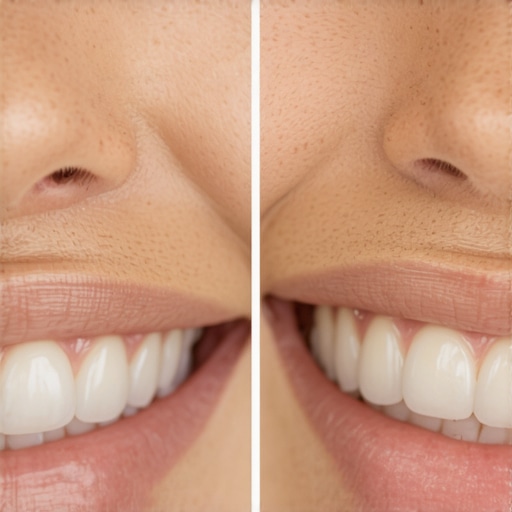
Surprisingly, a 2024 study revealed that well-fitted veneers can last up to 20 years, whereas bonding typically remains effective for 3 to 10 years. This discrepancy can be a game-changer for your decision-making, especially if you’re looking for a long-lasting smile. Curious about what options are best for your lifestyle? Let’s break down the differences so you can make an informed choice.
Is Cosmetic Dentistry Actually Worth the Hype?
When I first faced this decision, I was skeptical, thinking, “Is investing in veneers or bonding really worth it?” I worried about the longevity and whether they would look natural—or if I was just throwing money into a fleeting trend.
My early mistake was trusting a dentist who promised quick results without explaining the drawbacks. It wasn’t until I did thorough research, like reading about [effective cosmetic dentistry strategies](https://gentlesmiledentist.com/effective-cosmetic-dentistry-strategies-for-a-confident-dazzling-smile-in-2024), that I realized there’s no one-size-fits-all answer. The choice depends on your specific needs, budget, and commitment to oral health.
Are you facing a similar dilemma? If so, understanding the nuances between veneers and bonding is essential. In the next sections, I’ll guide you through practical insights, so you can confidently choose the best and longest-lasting cosmetic fix for your smile.Start by adopting a consistent brushing routine using a soft-bristled toothbrush and fluoride toothpaste, making sure to brush twice daily for at least two minutes each time. Think of your toothbrush as a gentle scrub brush that cleans away plaque without damaging enamel. I remember my first attempt, where I hurried through the motion, missing critical spots, leading to minor gum irritation; now, I take my time and cover all surfaces. Once a week, incorporate flossing or interdental brushes to remove food particles and plaque between teeth, much like cleaning the corners of a room where dust tends to settle unnoticed. I once skipped flossing during a busy week, and within days, noticed a small pocket forming at the gum line—proof that neglect accumulates.
Next, learn proper techniques for effective teeth cleaning. To do this correctly, hold your toothbrush at a 45-degree angle to your gums and use gentle circular motions—avoid aggressive scrubbing, which can erode enamel and cause sensitivity. Watching a tutorial helped me perfect my method; I discovered that even a slight change in angle dramatically improved my plaque removal.
Integrate professional cleaning sessions into your routine every six months. During these visits, dental hygienists perform deep cleanings that remove stubborn tartar buildup—something you can’t achieve with regular brushing alone. I once delayed my cleaning, and the buildup led to inflamed gums. When I finally booked an appointment, I saw immediate improvement in gum health and breath freshness, reinforcing the importance of routine visits. To find a trusted family dentist, visit [this resource](https://gentlesmiledentist.com/family-dentistry-tips-that-make-oral-care-effortless-and-effective).
Utilize specialized tools, such as an electric toothbrush or water flosser, to enhance cleaning efficiency. Electric brushes often feature timers to ensure you brush long enough, akin to having a personal guide for your hygiene routine. I invested in an electric toothbrush last year, and my plaque levels decreased significantly within months. Be sure to select tools suited to your needs, especially if you have sensitive gums or braces, by consulting [this comprehensive guide](https://gentlesmiledentist.com/top-teeth-cleaning-oral-health-tips-for-a-brighter-2024-smile).
Finally, cultivate habits that maintain your oral health between professional visits. Limit sugary foods and drinks, as sugar feeds harmful bacteria producing acids that erode enamel. Rinse your mouth with water after meals if brushing isn’t possible immediately. Remember, consistency is key—think of your oral health like maintaining a garden; daily care yields the best results. For detailed strategies on sustaining your smile, check out [effective oral health maintenance](https://gentlesmiledentist.com/maintaining-oral-health-expert-advice-for-a-lifetime-of-healthy-teeth). By integrating these steps, you’ll create a solid foundation for a bright, healthy smile that lasts for years to come.Many people believe that brushing regularly and using whitening products are enough to maintain optimal oral health, but the reality is far more nuanced. One prevalent myth is that using whitening toothpaste alone can dramatically brighten teeth without considering underlying issues like enamel erosion or gum recession, which can be exacerbated by overuse of abrasive whitening agents. Studies have shown that aggressive brushing with abrasive pastes can wear down enamel over time, increasing sensitivity and decay risk. Rather than relying solely on consumer-grade whitening products, consult with your dentist about professional cleaning options and tailored oral health strategies for long-term results.
A particularly overlooked aspect of cosmetic dentistry is the importance of proper shade matching and understanding how restorations interact with natural tissue. For instance, some individuals assume veneers or bonding will perfectly mimic their natural teeth, but subtle differences in translucency and color can lead to unnatural appearances if not carefully managed. An advanced mistake is selecting overly bright shades that contrast with neighboring teeth, creating a smile that looks artificial. To avoid this, seeking expert advice and viewing shade samples under natural light can make a significant difference. For more on aligning aesthetics with function, check out [this guide](https://gentlesmiledentist.com/effective-cosmetic-dentistry-strategies-for-a-confident-dazzling-smile-in-2024).
In family dentistry, a common misconception is that children require different brushing techniques or less frequent dental visits than adults. However, evidence suggests that early education on proper brushing—using age-appropriate tools—and biannual professional cleanings are crucial for establishing lifelong healthy habits. Neglecting this can lead to early onset of decay or orthodontic issues, which become more complex and costly over time. An advanced nuance here is the critical role of parental supervision and modeling behavior—their habits directly influence children’s oral care routines. To strengthen your family’s dental health, review [these proven strategies](https://gentlesmiledentist.com/family-dentistry-proven-tips-for-lasting-oral-health-in-2024).
One trap many fall into is believing that professional cleanings alone can offset poor daily habits. While routine visits are essential, they are not a license to neglect daily oral hygiene. Plaque and tartar buildup can form rapidly, especially around wisdom teeth and braces, leading to gum disease and cavities if proper brushing and flossing are not maintained consistently. A study published in the Journal of Clinical Periodontology emphasizes that sustained home care significantly amplifies the benefits of professional cleanings. Remember, combining expert advice with diligent daily practices ensures long-term oral health.
Have you ever fallen into this trap? Let me know in the comments your experience or questions. Understanding these nuances helps us all make smarter choices and avoid costly mistakes in maintaining our smiles.Maintaining your oral health and cosmetic improvements requires more than just daily brushing; it hinges on using the right tools and establishing effective routines. One device I’ve personally relied on is a high-quality electric toothbrush, such as the Sonicare DiamondClean. Its sonic technology delivers up to 62,000 brush strokes per minute, helping to remove plaque more efficiently than manual brushing. Its built-in timer ensures you brush for the recommended two minutes, which aligns with professional guidelines and maximizes cleaning efficacy. I’ve found that switching to an electric toothbrush dramatically improved my gum health and kept my new veneers looking pristine over the years. Additionally, incorporating a water flosser like the Waterpik Ultra has truly revolutionized my interdental cleaning, especially between braces or around crowns, where traditional flossing is challenging. The pulsating water helps dislodge debris and reduce gingivitis, supported by studies demonstrating its effectiveness over traditional flossing in reducing plaque. As technology advances, I predict we’ll see smarter, app-connected oral devices that monitor your brushing habits and provide personalized feedback—making at-home care more precise. To keep your dental work functioning optimally, it’s essential to schedule professional cleanings every six months; these sessions remove tartar that daily tools can’t tackle. I always coordinate with my dentist via their online portal, simplifying appointment management, and ensuring my routine stays consistent. Curious about the best tools for your specific needs? Book a consultation through [this contact page](https://gentlesmiledentist.com/contact-us) and discover personalized recommendations. How do I maintain my dental tools over time? Regularly replace brush heads every three months to prevent bacterial buildup, and follow manufacturer instructions for cleaning devices. Proper storage—keeping devices dry and in a clean place—also extends their lifespan and performance. Remember, investing in high-quality tools and adopting consistent cleaning habits creates durable results, saving you time and money by preventing issues before they arise. Start today by upgrading your toothbrush or adding a water flosser to your routine—your future smile will thank you. For more extensive guidance on integrating these tools into your daily habits, explore [this detailed guide](https://gentlesmiledentist.com/the-ultimate-guide-to-teeth-cleaning-techniques-and-benefits).Throughout my journey with teeth cleaning, cosmetic dentistry, and family oral health, I’ve realized that the most impactful lessons often come from unexpected places—like neglecting routine care or choosing quick fixes over lasting solutions. One crucial insight is that consistent, personalized habits are far more effective than generic advice. For example, investing in a quality electric toothbrush tailored to your needs can revolutionize your daily routine, but only if paired with professional guidance and regular check-ups. Additionally, I learned that understanding the nuances between veneers and bonding requires more than surface-level knowledge; it demands listening to your unique circumstances and long-term goals. Remaining curious and proactive, especially about emerging cosmetic innovations, can empower you to make choices that truly reflect your smile aspirations. Lastly, embracing a holistic view of oral health—seeing it as part of your overall well-being—has transformed my approach from reactive to preventive, saving me both discomfort and expense in the future.