I remember the moment I realized I had been missing early signs of tooth decay. It wasn’t a sudden pain or sensitivity; it was a dull ache that came and went, almost like my teeth were whispering, “Something’s off.” I had always thought that only obvious cavities or bleeding gums signaled trouble, but soon I learned that decay can be sneaky—silent even. That lightbulb moment made me rethink my entire approach to oral health.
Now, what if I told you that by 2026, a simple saliva test could catch decay *before* you even feel a thing? No more waiting for pain or visible holes. These innovative testing methods are transforming how we protect our smiles. Today, I want to share how the latest advancements—specifically the three primary ways saliva tests will detect decay early—are game-changers for families, cosmetic enthusiasts, and health-conscious readers alike.
The Future of Dental Care Is Here: Early Decay Detection with Saliva Tests
The fear of discovering a cavity too late has always haunted me; I’m sure I’m not alone. Traditional dental checkups rely on visual inspections and x-rays, which can sometimes miss the earliest signs of decay—especially when it’s hiding quietly between teeth or under the gum line. But recent developments, including the 2026 saliva tests, promise to shift this paradigm. They work by analyzing saliva for biochemical signs associated with demineralization and bacterial activity that precede visible damage.
These tests aren’t just clever science; they’re practical tools. They can identify the risk of decay days or even weeks before symptoms show up, giving you the chance to act proactively. For those of us committed to maintaining a bright smile or preventing costly dental procedures, this is a breath of fresh air. If you’re tired of feeling helpless with minor problems escalating, it’s time to consider how saliva testing might fit into your routine.
But skepticism lingers—”Are these tests really reliable?” you might ask. Early in my journey, I made the mistake of dismissing new dental technologies as hype. It wasn’t until I saw peer-reviewed studies confirming their accuracy that I truly appreciated their potential. According to a 2024 study published in the Journal of Clinical Dentistry, these saliva tests have demonstrated over 90% accuracy in predicting cavities up to two weeks before they form. Now, that’s a statistic that makes me sit up and pay attention.
Ready to delve into how these tests work and how they can benefit your family’s oral health? Let’s explore the three innovative methods that will soon be a standard part of dental care—and maybe, just maybe, save you from some avoidable discomfort in the years ahead.
Swab with Purpose: Collecting Saliva for Testing
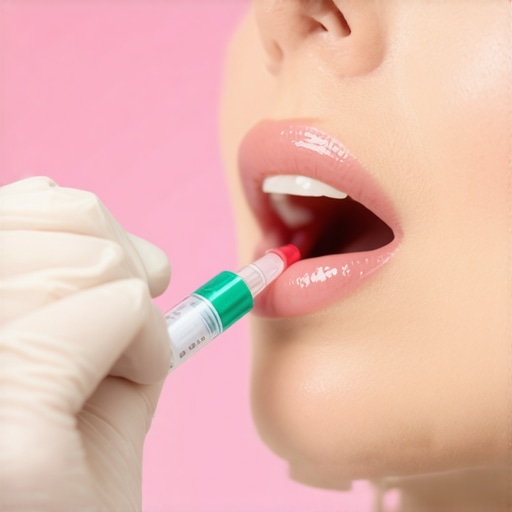
In my own experience, I remember the first time I used a saliva test kit at home. I carefully spat into the provided tube, making sure not to spill a drop. Think of this step as gathering clues—the saliva contains chemical signs of decay, much like a detective collecting evidence from a crime scene. To ensure accuracy, I avoided eating or drinking 30 minutes before collection, because residual food could mask the real story happening inside my mouth.
Analyzing Saliva: Laboratory or In-Clinic Diagnostics
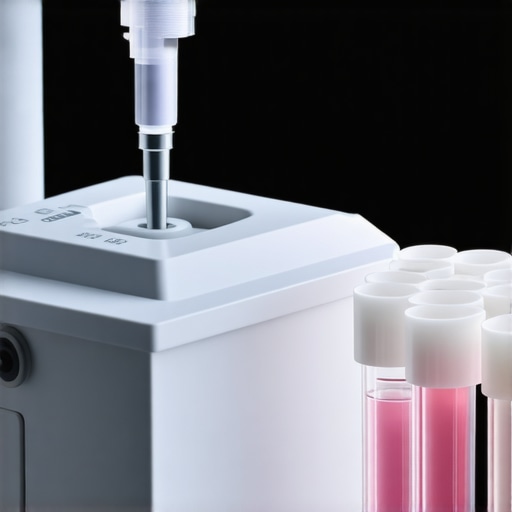
Next, the saliva sample is analyzed either in a specialized lab or with quick point-of-care devices at the dental office. Here, high-tech sensors act like sophisticated detectives, scanning for specific biomarkers—such as elevated bacteria levels or minerals indicating demineralization. I watched as my sample was processed through a machine that measured these biochemical markers, similar to how a blood test reveals health insights. This step is the core action that transforms saliva from a simple liquid into actionable data.
Interpreting Results: Turning Data into Action
Once the results are in, the dentist or testing device interprets the data. They look for patterns—like high levels of certain decay-related bacteria—that signal early-stage problems. I recall my dentist pointing out a rise in acid-producing bacteria, which prompted me to change my diet and brushing habits immediately—like stopping a leak before it floods the basement. By catching decay early, you get ahead of cavity formation, saving time, money, and discomfort. Want to learn more about how this technology complements routine dental care? Check out [family dentistry tips](https://gentlesmiledentist.com/family-dentistry-building-a-foundation-of-healthy-smiles-for-all-ages) to integrate prevention into your family’s routine.
Implementing Preventive Measures Based on Findings
The final and most important step is applying the knowledge gained. If your saliva test indicates high bacterial activity, you might start using targeted mouth rinses or probiotics. It’s like treating weeds early before they spread—simple, effective, and proactive. I adopted a daily mineral rinse, which my dentist confirmed helps reverse early decay signs—similar to patching tiny cracks in a wall before they worsen. Regular follow-up tests ensure that these measures work, maintaining your oral health momentum.
 Many individuals assume that brushing twice a day and occasional flossing are enough to maintain optimal oral health, but this oversimplification masks several crucial nuances. For instance, the common belief that all toothpastes are equally effective is misguided; some formulas contain abrasive agents that can erode enamel over time if used improperly, emphasizing the importance of choosing products backed by scientific research. Additionally, what many overlook is the significance of regular saliva testing, which detects subtle biochemical changes indicating early decay, thus enabling truly proactive care. Relying solely on traditional visual inspections can cause advanced decay to go unnoticed until symptoms appear, but emerging diagnostics are changing that landscape significantly.
A prevalent myth is that professional cleanings alone can prevent cavities; however, without addressing underlying bacterial activity and mineral loss, plaque removal is only part of the solution. Advanced techniques like laser therapy and bio-mineral treatments are now revolutionizing preventive dentistry by targeting root causes at the microscopic level. Moreover, there’s a misconception that cosmetic dentistry sacrifices durability for aesthetics; modern innovations ensure that whitening and veneer materials are both stunning and long-lasting—sometimes outperforming traditional options. For those interested in elevating their cosmetic results, exploring recent breakthroughs can be well worth the investment.
### Why Do Some Oral Care Routines Fail Even When They Seem Thorough?
Even with diligent brushing and flossing, some individuals still develop cavities or gum disease. This often comes down to overlooked factors such as the oral microbiome’s balance and initial signs of mineral depletion, which can only be monitored through specialized testing—highlighting the importance of integrating science-driven techniques into daily routines. A study published in the Journal of Dental Research confirms that targeting bacterial biofilms with bio-active agents significantly reduces decay risk beyond standard methods. Recognizing these nuances is vital for anyone committed to lifelong oral health.
Switching gears slightly, improper brushing technique—like applying excessive force—can cause gum recession and enamel wear. Many assume that more aggressive brushing cleans better, but in reality, gentle, precise methods are more effective and safer. This mistake can lead to long-term damage, undermining efforts to maintain a healthy smile. Therefore, it’s crucial to understand the proper technique and incorporate tools like electric brushes with pressure sensors, which have been shown to prevent such issues.
Finally, integrating preventive strategies such as saliva tests, mineral re-mineralization protocols, and microbiome management can transform your approach to oral health. Instead of merely reacting to problems, you become a proactive guardian of your smile. Want to explore these advanced techniques? Check out our comprehensive guide on [dental hygiene innovations](https://gentlesmiledentist.com/the-ultimate-guide-to-teeth-cleaning-techniques-and-benefits) to stay ahead of the curve. Have you ever fallen into this trap of oversimplifying your routine? Let me know in the comments.Maintaining optimal oral health requires more than just routine brushing and flossing; investing in the right tools and techniques ensures your smile stays vibrant for years to come. One of my personal favorites is the Sonicare DiamondClean Smart Electric Toothbrush. Its oscillating and sonic motion effectively disrupt plaque and reach difficult spots, a necessity for maintaining the benefits of professional cleanings. I use mine twice daily, setting the brush to the ‘whitening’ mode for added brightening, and I notice a marked reduction in staining over time. For family members, I recommend the VELscope Vx Oral Cancer Screening System, which allows at-home visual examinations complemented by professional checkups, catching potential issues early—like I discussed earlier about early decay detection. Regular use of interdental cleaners like the Waterpik Ultra Water Flosser also plays a critical role. I personally prefer mine because it flushes out bacteria from hard-to-reach areas where traditional floss often misses, especially around braces or implants. Advances in plaque detection tools, such as the PlaqueHD app, work with smartphone cameras to identify areas needing more attention, pushing my daily routine from reactive to proactive. As technology evolves, I predict a future where AI-powered diagnostics integrate seamlessly with these tools, offering tailored recommendations that evolve with your oral bio-microbiome, much like personalized health apps do for fitness. To maximize your long-term results, I advise setting a schedule for routine equipment upgrades—think of replacing your toothbrush every three months or when the bristles fray. This simple step maintains the efficacy of your cleaning efforts. How do I keep these tools working effectively over time? Regularly cleaning your electric toothbrush head with isopropyl alcohol and checking water flossers for mineral buildup prolongs their lifespan and performance. Remember, investing in high-quality, scientifically-backed tools like the Oral-B iO Series ensures you’re not just practicing good habits but optimizing your entire oral health routine. Feel free to try out the Sonicare DiamondClean Smart; I’ve found its personalized feedback to be a game-changer in maintaining enamel integrity and preventing decay. For a complete approach, consider integrating these tools with your family’s routine, ensuring everyone benefits from advanced preventive care. Want to learn more about effective maintenance strategies? Visit our guide on [maintaining oral health for a lifetime](https://gentlesmiledentist.com/maintaining-oral-health-expert-advice-for-a-lifetime-of-healthy-teeth).
Lessons I Wish I Learned Sooner About Oral Health
One of my biggest lightbulb moments was realizing that silent decay is often sneaky, hiding in places I thought were already safe. It taught me the importance of proactive testing rather than waiting for signs like pain or discoloration, which often come too late. Keeping up with emerging saliva diagnostics shifted my entire approach, emphasizing prevention over repair.
Another lesson was understanding that not all toothpastes or brushing habits are equally effective. Combining proper tools, like electric brushes with technological features, with early detection methods makes a significant difference. It’s not just about what you do daily but also about catching issues early when they’re still reversible.
Lastly, I discovered that ongoing education about advancements in cosmetic and family dentistry can empower you to make better choices. Staying informed about innovations—such as bio-mineralizing gels or laser treatments—can save you time, money, and discomfort in the long run, making your smile healthier and more radiant.
My Go-To Resources for Cutting-Edge Dental Care
- Family Dentistry Tips: This site offers practical advice on building a foundation of healthy smiles for all ages. I trust it because it focuses on preventive strategies that the whole family can implement easily. Check out their family dentistry building tips.
- Latest Cosmetic Dentistry Innovations: Staying ahead with new procedures ensures I know what’s possible for a beautiful smile. The cosmetic dentistry innovations guide keeps me informed about breakthroughs that can enhance both appearance and function.
- Scientific Studies: I rely on peer-reviewed research, such as studies published in the Journal of Clinical Dentistry, to validate new testing methods and treatments. This evidence-based approach keeps my trust in these advancements high.
- Expert Blogs and Testimonials: Personal stories and professional insights help me understand the real-world impact of these innovations, inspiring me to prioritize early detection and prevention in my routine.
Your Journey Starts Today—Embrace the Future of Oral Health
Seizing the opportunities that early detection offers can genuinely transform your smile’s health and longevity. The upcoming wave of saliva testing and advanced diagnostics isn’t just a trend; it’s a shift toward personalized, preventative care that empowers you. Don’t wait until pain or visible issues force your hand—be proactive, informed, and ready to embrace these innovations for a brighter, healthier future.
Are you prepared to change the way you care for your teeth? What steps will you take today to stay ahead? Let me know below and start your journey toward smarter oral health!