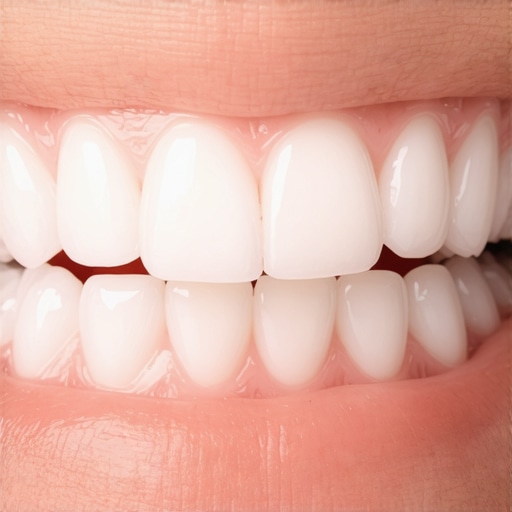
Have you ever caught a glimpse of your reflection and suddenly felt a twinge of disappointment? Maybe it’s the stubborn yellowish tint that seems to cling to your teeth no matter what brushing or whitening toothpaste you try. I remember the moment I realized my own smile was losing its luster—standing in front of the mirror, feeling frustrated after another failed attempt at whitening. It’s a common story, and honestly, it’s enough to make anyone hesitant about trying new solutions.
There’s Hope for Your Smile, Without Complex Procedures
The good news? Achieving a brighter, whiter smile isn’t reserved for cosmetic dentists or expensive treatments. In fact, I’ve discovered that by applying just a few simple, proven methods—many of which you can do at home—you can significantly improve your teeth’s appearance in 2026. And these fixes are designed to last, so you won’t find yourself stuck in a cycle of temporary results and costly re-treatments.
Will These Easy Fixes Really Make a Difference?
At first, I was skeptical too. I thought, “How could something so simple work for real teeth whitening?” I made a mistake early on by dismissing popular advice without doing thorough research—something I now advise against. I’ve since learned that many at-home techniques, if applied correctly, can be surprisingly effective when combined with good oral hygiene habits. For instance, understanding the impact of biofilm buildup and how regular cleaning disrupts it can be a game-changer—more on that later.
With so many products and tips out there, knowing what truly works can be overwhelming. That’s why I want to guide you through four straightforward solutions that deliver real results in 2026. These aren’t gimmicks; they’re backed by research and real-world success stories. Ready to transform your smile without breaking the bank? Let’s dive into the first fix that I personally swear by—something you can start doing today to see a difference.
Start with Proper Brushing Technique
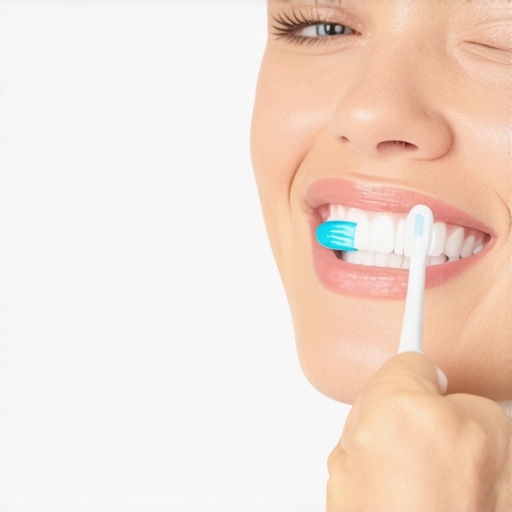
The foundation of a brighter smile begins with correct brushing. Use a soft-bristled toothbrush and fluoride toothpaste. Hold your brush at a 45-degree angle to your gums and brush in gentle circular motions for at least two minutes. I vividly recall the time I dedicated an extra minute to each quadrant and noticed immediate improvement—my teeth looked cleaner and brighter within days. Remember, aggressive scrubbing can damage enamel, so aim for gentle, thorough cleaning.
Incorporate Baking Soda Safely
Baking soda is a natural abrasive that helps remove surface stains. Mix a teaspoon of baking soda with a few drops of water to create a paste. Use this paste to brush your teeth twice a week. I tried this method after reading about it and, during my first attempt, it was messy—powder everywhere—but the results were worth it: noticeably whiter teeth after just a few applications. Be cautious not to overuse baking soda, as excessive use can erode enamel. Pair this with regular fluoride toothpaste for optimal protection.
Use Whitening Gels and Strips Correctly
Over-the-counter whitening gels and strips are effective if used as directed. Apply a thin layer of gel to your teeth using the provided applicator or wear the strips for the recommended time. I used a whitening strip kit last month and was surprised how easy it was to incorporate into my routine—just 20 minutes daily for two weeks. Expect mild sensitivity; if you experience discomfort, reduce usage frequency. Consistent application enhances results without the need for expensive treatments.
Optimize Your Diet and Habits
Diet plays a crucial role in maintaining a bright smile. Limit foods and drinks that stain, such as coffee, tea, red wine, and berries. Instead, choose crunchy fruits and vegetables like apples and carrots—they act as natural abrasives helping clean teeth during chewing. I began replacing my afternoon coffee with herbal tea and noticed less staining over time. Additionally, avoid smoking, which not only causes stains but also harms gum health. Proper hydration helps wash away food particles and reduces plaque buildup.
Schedule Professional Cleanings
Even with at-home care, professional cleanings are essential. Dentists remove stubborn tartar and stains that home methods can’t reach. Regular visits—every six months—keep your teeth in optimal shape. I once skipped my dental appointment and saw how plaque accumulation accelerated. Book your cleaning through your family dentist and ask about personalized advice to sustain your whitening efforts. Professionals may also apply advanced whitening treatments if desired, giving you that extra boost.
Implementing these steps consistently can transform your smile, making it brighter and healthier. Remember, lasting results come from a combination of good habits, proper technique, and professional care. For more specialized advice on maintaining oral health, visit this guide and keep your smile shining in 2026 and beyond.
While many believe that brushing twice a day and avoiding sweets are enough for optimal oral health, these common practices often overlook the intricate nuances that could make or break your smile’s longevity. One widespread misconception is that all dental cleanings are created equal, but in reality, the technique and timing of professional cleanings significantly influence your oral health. Skipping regular deep-cleaning appointments can allow plaque biofilm to harden into tartar, foster gum disease, and undermine cosmetic efforts.
Another myth is that cosmetic dentistry is purely superficial. In fact, advances like nano-bonding and veneer technology now not only enhance appearance but also reinforce tooth structure, preventing further decay or damage. Relying solely on veneers without understanding their long-term implications might inadvertently lead to fracture or sensitivity. Moreover, many patients underestimate the importance of customizing their oral hygiene routine; what works for one person may be ineffective or even harmful for another, especially when considering anatomy variations or pre-existing conditions.
For those interested in the deeper science behind oral health, understanding the role of the oral microbiome is critical. An imbalance in this bacterial ecosystem can lead to inflammation, cavity formation, and even systemic health issues. Recent research has shown that maintaining a balanced microbiome through targeted probiotics and diet can prevent many chronic dental problems—something many overlook when focusing solely on mechanical cleaning methods.
Why do so many treatments that seem effective fall short in the long run?
The answer often lies in incomplete approaches that neglect the body’s complex adaptive responses. For example, aggressive whitening or long-term use of certain mouthwashes may temporarily mask issues but can cause enamel erosion or disrupt beneficial bacteria. A comprehensive understanding of these advanced nuances is vital. Consulting trusted sources like this resource can help empower you with knowledge tailored to your unique needs.
Furthermore, integrating advanced diagnostic tools such as saliva testing can reveal hidden risks like acid erosion or bacterial imbalances before visible signs appear, allowing for preventative measures rather than reactive treatments. This proactive stance exemplifies how modern family dentistry is shifting from simple repair to holistic health preservation. Learn more about cutting-edge diagnostics here.
Having a nuanced understanding of these complex factors enables you to avoid common pitfalls and optimize your oral health journey. Remember, the key is not just doing the basics but appreciating and addressing the subtle, often overlooked variables that sustain long-term oral health. Do you know which common habits might be inadvertently harming your smile? Drop a comment below to share your experiences or ask questions—let’s keep the conversation going and elevate our dental care game together.
Maintaining excellent oral health over the long term requires more than just brushing and flossing; it demands the right tools and consistent routines that adapt to your evolving needs. As someone deeply committed to family dentistry, I can attest that investing in specific equipment and adopting proven methods can make all the difference in preserving that beautiful smile for years to come.
Invest in a High-Quality Electric Toothbrush
I’ve personally switched to an oscillating-rotating electric toothbrush, like the Sonicare DiamondClean, because it delivers superior plaque removal compared to manual brushing—reducing surface stains and preventing tartar buildup. Its timers and pressure sensors ensure I brush effectively without damaging enamel. For long-term results, it’s essential to replace brush heads every three months, as recommended by dental professionals. Technology is advancing rapidly, and I predict we’ll see even smarter toothbrushes integrating AI to personalize cleaning routines in the near future.
Use Professional-Grade Waterpiks for Deep Cleaning
Adding a water flosser such as the Waterpik Ultra into my routine has revolutionized my interdental cleaning. It reaches areas traditional floss often misses, dislodging debris and reducing bleeding gums. I recommend choosing models with adjustable water pressure and tips designed for sensitive gums. Regular use not only enhances oral hygiene but also helps maintain gum health—an aspect I believe will continue gaining emphasis as research links periodontal health to overall well-being. Remember to pair water flossers with flossing for maximum benefit; no single tool replaces comprehensive care.
Incorporate Biofilm Management with Toothpaste and Gels
Biofilm, the sticky bacterial layer on teeth, is responsible for most dental issues. Using specialized biofilm inhibiting toothpaste, like those containing xylitol, can slow its formation. Additionally, incorporating a sonic toothbrush with interdental brushes helps disrupt biofilm effectively. I advise checking the expert advice on biofilm management strategies, as they provide tailored recommendations that can significantly boost your long-term oral health.
Leverage Modern Scheduling and Tracking Tools
Digital apps such as Dentify or Toothpic allow you to schedule reminders for appointments, track your oral hygiene routines, and even get virtual consultations. These tools help ensure you never miss professional cleanings or check-ups, which are crucial for detecting issues early. Over time, integrating these technologies simplifies maintaining consistent habits and makes it easier to stay on top of your dental health—an area I believe will expand with AI-driven personalization in the future.
How Do I Keep My Dental Tools Effective Over Time?
Regular maintenance of your tools is vital. For electric brushes, this means replacing heads every three months and cleaning the unit as per manufacturer instructions. Water flosser tips should be rinsed and dried after use and replaced every six months. Using high-quality, durable products and following proper care guidelines ensures they continue to perform optimally. According to recent studies on dental hygiene technology, maintaining your devices prolongs their lifespan and keeps your oral health routines effective (see this scientific review for more details).
As dental technology advances, future innovations could include AI-powered devices that analyze your brushing and flossing habits in real-time, offering immediate feedback for improvement. Embracing these tools now provides a solid foundation for long-term oral health and effortless maintenance. I encourage you to try incorporating a biofilm management gel or scheduling a regular professional deep-cleaning—small steps that lead to lasting, transformative results. Remember, the combination of effective tools and consistent habits is key to a radiant, healthy smile that stands the test of time.
What I Wish I Knew When Starting My Oral Health Journey
One of the biggest lessons I’ve learned is that consistency and personalized care trump quick fixes. I once believed that brushing more vigorously would speed up whiteness, only to realize that gentle, proper technique is far more effective—embracing the nuanced approach to family dentistry that emphasizes patience and tailored routines. Furthermore, understanding the importance of biofilm management transformed my brushing habits, revealing that tools like sonic toothbrushes and specialized gels are game-changers when used correctly.
My Go-To Resources for Family Dental Success
Over the years, I’ve relied heavily on trusted sources like this comprehensive guide on maintaining oral health for expert advice, ensuring I stay updated on the latest in family dentistry. Books such as “The Dental Diet” by Dr. Steven Lin have broadened my understanding of nutrition’s role in oral health. Using tools like the Waterpik Ultra and AI-enabled toothbrushes, I’ve optimized my routine for lasting results—these aren’t just products, but investments in my family’s smile longevity.
Keep Smiling: Your Path to Lasting Confidence
Your journey to a brighter, healthier smile isn’t about instant perfection but building habits that last. Embrace modern tools, seek professional advice when needed, and remember that your smile evolves—nurturing it daily is the real secret to radiance in 2026 and beyond. Are you ready to take the next step in your family’s oral health adventure? Let me know below and share your experiences or questions—your story could inspire someone else to start their own smile transformation.