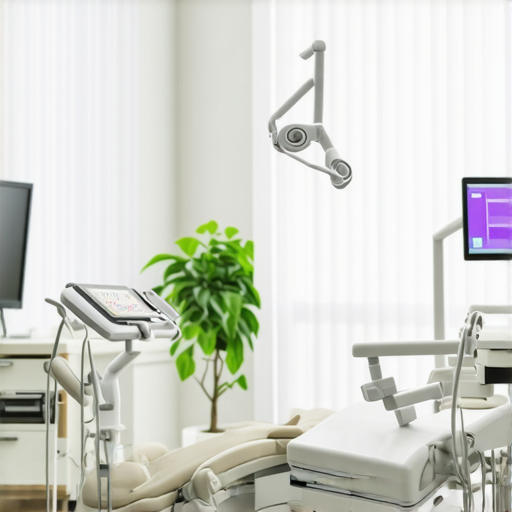

Discovering the Joy of Family Dentistry: My Personal Experience
As someone who has always valued a bright, healthy smile, I was initially overwhelmed by the myriad of dental advice out there. However, my perspective changed dramatically after I found a family dentistry practice that truly understands the importance of comprehensive oral care. During my visits, I learned that maintaining healthy smiles involves more than just brushing and flossing — it’s about building a lifelong relationship with your dentist and adopting consistent, effective habits.
Why Family Dentistry Matters for All Ages
What I appreciated most about family dentistry is its focus on patients of all ages. From my children’s first dental visits to my own regular check-ups, I realized that early education and preventive care lay the foundation for lifelong oral health. According to family dentistry experts, establishing routines early helps prevent costly procedures later on.
My Top Strategies for Maintaining Healthy Smiles in 2024
Over the years, I’ve developed a few personal strategies that align with the latest recommendations for optimal oral health. First, I prioritize regular dental check-ups and cleanings, which are essential for preventing plaque buildup and catching issues early. I also learned about the significance of proper brushing techniques and the importance of using fluoride toothpaste. For deeper insights, I often revisit effective teeth cleaning tips to refine my routine.
How Can I Keep My Family’s Smiles Bright and Healthy?
This question has guided me to adopt a holistic approach to family oral health. I encourage my kids to brush twice daily and floss regularly. We’ve also incorporated healthier eating habits, limiting sugary snacks that can lead to cavities. Additionally, I schedule periodic visits to the dentist, which helps in maintaining their dental health and addressing any concerns early. Sometimes, a professional whitening or cosmetic dentistry procedure can boost confidence, and I explore options like cosmetic dentistry to keep our smiles looking their best.
What are the latest innovations in family dentistry that I should know about?
From my research and discussions with my dentist, I’ve learned about exciting innovations such as laser dentistry, digital X-rays, and minimally invasive procedures. These advancements not only enhance comfort but also improve treatment accuracy. For instance, the use of digital imaging reduces radiation exposure and speeds up diagnoses, making visits more efficient and less intimidating for children. To stay updated on these trends, I recommend reading latest cosmetic dentistry innovations.
If you’re committed to maintaining your family’s oral health in 2024, I encourage you to share your experiences or ask questions below. Remember, a healthy smile is a lifelong investment!
Exploring Cutting-Edge Developments in Family Dentistry: A Deep Dive for 2025
As a seasoned dental professional, I recognize that staying abreast of the latest innovations is crucial for providing the best care for your loved ones. The landscape of family dentistry is rapidly evolving, driven by technological advancements and a deeper understanding of holistic oral health. For instance, the integration of **digital dentistry tools** like 3D imaging and CAD/CAM technology has transformed how we diagnose and craft restorations, making procedures faster and more precise. These innovations not only improve outcomes but also significantly enhance patient comfort, especially for children and anxious adults.
How Do New Technologies Impact Preventive Care?
Preventive care remains the cornerstone of long-term oral health, but recent innovations have taken it to new heights. The advent of **salivary diagnostics** allows for early detection of systemic conditions such as diabetes or nutritional deficiencies through simple saliva tests. This proactive approach enables family dentists to tailor personalized care plans, preventing more serious issues down the line. Furthermore, **smart toothbrushes** and mobile apps now help families maintain effective brushing routines, providing real-time feedback and reminders that foster better habits at home. These tools are revolutionizing daily oral hygiene practices and making preventive care more engaging for all ages.
What are the Challenges in Adopting These Innovations?
Despite the promising benefits, integrating new technologies into family dentistry practices presents challenges. The cost of advanced equipment can be significant, potentially impacting affordability for some families. Additionally, a learning curve exists for dental professionals to master these new tools effectively. As highlighted by industry experts, ongoing training and investment in staff development are vital to harness the full potential of these innovations. Moreover, patient education is essential to build trust and encourage acceptance of new procedures, especially among older generations who may be less familiar with digital health tools.
Are We Moving Toward a More Personalized Dental Experience?
Absolutely. The future of family dentistry is increasingly personalized, tailoring treatments to individual genetic, lifestyle, and health profiles. For example, **genetic testing** can predict susceptibility to cavities or gum disease, allowing for targeted preventive strategies. Additionally, **customized whitening and cosmetic treatments** are becoming more accessible, helping families achieve their aesthetic goals confidently. This shift aligns with a broader healthcare trend emphasizing personalized medicine, where interventions are tailored to the unique needs of each patient, ensuring optimal results with minimal invasiveness.
For a comprehensive understanding of how these technological advances are shaping the future, I recommend exploring latest cosmetic dentistry innovations. Staying informed about these trends not only enhances your knowledge but also empowers you to make better decisions for your family’s oral health.
If you’re passionate about maintaining a healthy, beautiful smile for your loved ones, I invite you to share your experiences or ask questions below. Remember, embracing innovation today ensures healthier smiles tomorrow!
How Do We Truly Personalize Dental Care in the Age of Innovation?
One of the most exciting developments I’ve observed is the move toward highly personalized dental treatments. It’s no longer just about one-size-fits-all solutions; instead, dentists are leveraging genetic testing and detailed health histories to craft bespoke care plans. For example, knowing a family member’s genetic predisposition to cavities enables targeted prevention, making treatments more effective and less invasive. This approach requires a deep understanding of each patient’s unique characteristics, which I find both challenging and rewarding. It pushes us to consider the holistic context of oral health, integrating diet, lifestyle, and even psychological factors into our strategies.
Reflecting on the Complexity of Integrating Cutting-Edge Technology
While these innovations promise remarkable benefits, I often wonder about the practical challenges of integration. The costs associated with new equipment can be prohibitive, especially for smaller practices or families on a budget. Moreover, ongoing training is essential; staying current with rapidly evolving technology demands a significant investment of time and resources. I’ve seen firsthand how some practices struggle to balance adopting new tools with maintaining quality care. Still, the potential for improved patient comfort and outcomes makes it a worthwhile endeavor. For those interested, I recommend reading about latest cosmetic dentistry innovations to see how technology is reshaping our field.
What Ethical Considerations Arise with Increasing Digitalization?
As we incorporate more digital tools, questions about privacy and data security become unavoidable. Sharing sensitive health information digitally introduces risks, and practitioners must navigate these carefully. Personally, I believe transparency with patients about how their data is stored and used is crucial. Establishing trust is the foundation of a successful patient-practitioner relationship, especially when dealing with innovations that may seem intrusive or unfamiliar. The implementation of robust cybersecurity measures and compliance with regulations like HIPAA are vital steps in safeguarding patient information. For more insights into maintaining patient trust in a digital age, explore privacy policies and best practices.
How Can We Educate Families About These Transformative Changes?
Education plays a pivotal role in ensuring families feel confident about embracing new dental technologies. Personal stories and transparent conversations help demystify complex procedures, making them less intimidating. I often share my own experiences and research to encourage my patients to ask questions and express concerns. Engaging children with interactive tools, like smart toothbrushes that provide real-time feedback, makes routine care more enjoyable and effective. For those seeking practical tips, I recommend visiting effective teeth cleaning tips to incorporate into daily routines. Ultimately, fostering a culture of curiosity and openness ensures that innovation enhances, rather than complicates, our shared goal of lifelong oral health.
How Will Emerging Technologies Revolutionize Personalized Family Dental Care?
In my journey through the evolving landscape of family dentistry, I’ve come to appreciate how advanced tools like **genetic testing** and **AI-driven diagnostics** are enabling a new era of truly personalized treatment plans. These innovations facilitate a deeper understanding of each patient’s unique oral health risks, allowing us to craft preventive strategies tailored precisely to their genetic predispositions, lifestyle, and even microbiome composition.
For example, recent studies, such as those published by the National Institutes of Health, highlight how genetic markers can predict susceptibility to cavities and periodontal disease with remarkable accuracy. Integrating this data into routine family dental care empowers clinicians to proactively address potential issues before they manifest visibly, ultimately reducing invasive procedures and enhancing long-term outcomes.
This level of customization extends beyond diagnostics. Technologies like **digital smile design** and **3D printing** enable us to develop aesthetic treatments that align perfectly with individual facial structures and personal preferences, fostering both functional health and aesthetic confidence.
What Are the Ethical and Practical Considerations in Implementing Such Personalized Approaches?
While the promise of tailored dental care is exciting, it raises important ethical questions regarding patient data privacy and consent. Ensuring compliance with regulations such as HIPAA, coupled with transparent communication about data usage, is essential to maintaining trust. Practically, adopting these innovations requires significant investment in training and equipment, which can be challenging for smaller practices or families with limited resources.
Nevertheless, the long-term benefits—more effective prevention, reduced treatment costs, and enhanced patient satisfaction—make these hurdles worthwhile. For those intrigued by the potential of these cutting-edge approaches, I recommend exploring latest cosmetic dentistry innovations for a glimpse into how technology is reshaping aesthetic and functional treatments.
If you’re eager to learn more about integrating these advanced tools into your family’s dental routine, I invite you to share your insights or questions below. Embracing innovation today sets the foundation for healthier, brighter smiles tomorrow!
Things I Wish I Knew Earlier (or You Might Find Surprising)
1. The Power of Early Education
Starting dental habits early in children’s lives can set them up for a lifetime of healthy smiles. I wish I had understood sooner how crucial those first visits and routine education are for preventing future issues.
2. Technology Can Be a Game-Changer
From digital X-rays to laser dentistry, embracing new technology has made treatments more comfortable and efficient. I was pleasantly surprised by how much innovation can improve the patient experience.
3. Personalized Care Is the Future
Genetic testing and tailored treatment plans are no longer just concepts—they’re becoming standard. Learning about these options opened my eyes to how customized dentistry can truly benefit each individual.
4. The Importance of Holistic Approaches
Oral health is interconnected with overall wellness. I’ve come to appreciate practices that consider diet, lifestyle, and mental health as part of comprehensive dental care.
5. Preventive Care Saves Money and Pain
Regular check-ups and cleanings might seem routine, but they’re essential for catching issues early, saving families from costly procedures later.
6. Digital Privacy Matters
As digital tools become more prevalent, safeguarding patient data is vital. Transparency about privacy helps build trust and confidence in modern dental practices.
Resources I’ve Come to Trust Over Time
- American Dental Association (ADA): Their guidelines and research are reliable and regularly updated, helping me stay informed about best practices.
- National Institutes of Health (NIH): Their studies on genetics and systemic health have deepened my understanding of personalized dental care.
- Dental Economics: A great resource for understanding the business side of dental innovations and patient care strategies.
- Colgate Oral Care Center: Offers practical tips and evidence-based advice that I find very accessible and trustworthy.
Parting Thoughts from My Perspective
Reflecting on my journey with family dentistry, I realize how vital it is to stay curious and proactive about oral health. Embracing technological advancements and personalized approaches can transform not just smiles, but overall well-being. If this resonated with you, I’d love to hear your thoughts or experiences. Remember, investing in your family’s oral health today paves the way for healthier, brighter smiles tomorrow. Feel free to share this article with someone who might benefit from a fresh perspective on modern dentistry, and don’t hesitate to drop your questions or stories in the comments below.
Reading this post reminded me how essential establishing good oral health habits early really is. My kids’ first dental visits were a bit daunting at first, but now they look forward to their check-ups, thanks to our family dentist’s approach to education and comfort. I’ve also started using some of the new digital tools mentioned, like smart toothbrushes, which kids find fun and engaging. It’s fascinating how technology can make routine care more interactive and motivate kids to stay consistent with brushing and flossing. I’m curious, have others found success in integrating these smart devices into family routines effectively? Also, with the rise of innovations like salivary diagnostics, do you think this will become a common part of regular check-ups, or stay more specialized? The future of personalized dental care sounds promising, but I wonder how quickly these advanced methods will be accessible and affordable for most families. Would love to hear others’ experiences or insights on making cutting-edge dental technology work in everyday family settings.
This post resonates with my own approach to family dental care. I especially appreciate the emphasis on building a relationship with your dentist and adopting consistent habits for all ages. Personally, I’ve found that introducing fun dental routines early on has made a big difference in my children’s attitude toward oral health. We recently started using a smart toothbrush that syncs with an app, which not only makes brushing more engaging for the kids but also helps me monitor their technique. Has anyone else had experiences with such devices? I’m curious whether you’ve seen measurable improvements or face challenges integrating them into daily routines. Also, on the topic of recent innovations, how soon do you think tools like salivary diagnostics will become mainstream in regular dental visits? It’d be great to hear from others about their thoughts on balancing cutting-edge technology with affordability and accessibility for families.
This article highlights the importance of building strong, ongoing relationships with family dentists, which really resonates with my experience. In our household, I’ve seen firsthand how early education about dental health can set lifelong habits—my kids now genuinely enjoy their visits and are proactive about oral care. The part about emerging technologies like digital X-rays and salivary diagnostics intrigues me, especially how they can make preventive care more accurate and less invasive. However, I do wonder about how accessible these innovations are for average families—are they becoming standard, or will they remain relatively specialized for a while? Also, I’d love to hear others’ experiences with integrating smart oral health devices at home. Have they made a noticeable difference in daily routines and dental health? Overall, staying updated on these trends feels essential to ensure our families benefit from the best, most comfortable care possible.