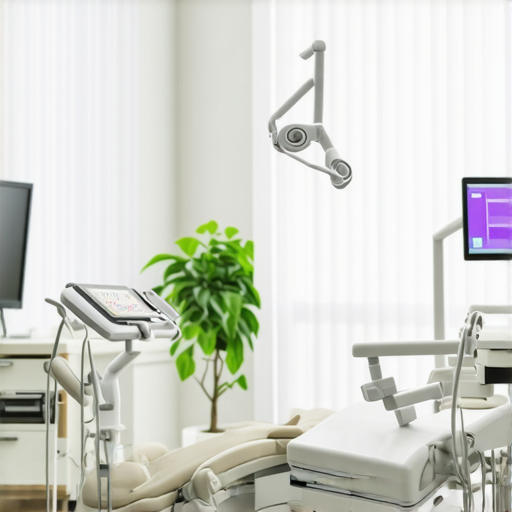

It was a morning like any other, but as I looked in the mirror, I noticed my smile wasn’t as bright as it used to be. A small cavity had crept in, and I realized—if I didn’t change my approach to family dental care, this would only get worse. That moment was a lightbulb for me. I understood that maintaining long-lasting oral health isn’t just about quick fixes; it’s about adopting smart, consistent strategies that protect everyone in my family, from kids to grandparents.
Why Family Dentistry Strategies Matter More Than Ever in 2024
In today’s fast-paced world, it’s easy to overlook our oral health, especially when juggling busy schedules and countless responsibilities. Yet, recent studies reveal that poor oral health is linked to more than just cavities or bad breath; it can impact overall health, increasing risks for heart disease, diabetes, and even respiratory issues. As per the CDC, maintaining good oral hygiene is crucial for a healthy life.
For me, the turning point was realizing that preventing dental issues is far more effective than treating them later. Early on, I made the mistake of neglecting regular check-ups and relying solely on brushing. That mistake led to avoidable problems, which cost time, money, and unnecessary discomfort. Now, I understand that a comprehensive family dentistry plan—one that includes education, preventive care, and modern treatments—is the key to lasting health and confidence.
So, if you’re wondering how to ensure your family’s oral health endures through 2024 and beyond, you’re in the right place. Today, I’ll share proven strategies that have transformed our dental routine, keeping smiles bright and healthy for everyone in the household.
Question: Is Family Dentistry Really Worth the Investment?
When I first considered investing in regular family dental care, I hesitated. It seemed like an unnecessary expense, especially when everyone seemed healthy. But skipping routine visits almost always led to bigger problems down the line. As I learned from experts, consistent preventive care not only saves money but also prevents major issues, ensuring long-term savings and peace of mind. If you’ve faced similar doubts, know that proactive care truly makes a difference. For more insights, check out family dentistry tips that make oral care effortless.
Establish a Consistent Daily Routine
Start by setting a specific time each morning and night dedicated to brushing and flossing. I remember one hectic evening when I was exhausted, but I forced myself to follow through. The result was a noticeable reduction in plaque and fresh breath the next day. Use fluoride toothpaste and a soft-bristled brush, making gentle circular motions to clean thoroughly without damaging gums. For kids, make it fun with colorful brushes and timers to ensure they brush long enough.
Implement Regular Professional Cleanings
Schedule biannual dental visits for every family member. During my first attempt to skip this, I noticed my daughter developing early signs of cavities. After booking a professional cleaning, the hygienist used a technique called ‘scaling’ to remove tartar build-up—much like chiseling away stubborn stone from a sculpture. This preventive measure not only keeps teeth healthy but also detects potential issues early, saving money and discomfort later. Check out teeth cleaning secrets that achieve a bright smile in under 30 minutes for more tips.
Adopt Modern Dental Technologies
Utilize advancements like electric toothbrushes and water flossers. I invested in an electric toothbrush with a timer, which helped my kids develop better brushing habits. Additionally, consider at-home whitening kits or sealants for extra protection. Modern treatments can significantly reduce decay and improve aesthetics, boosting confidence across all ages. For innovative cosmetic options, see latest cosmetic dentistry innovations.
Create a Family-Friendly Environment
Make oral health a family affair by involving everyone in routines and discussions. I set up a dedicated ‘smile corner’ with brushes and mirrors for my kids to encourage engagement. Praise and rewards can motivate children to maintain good habits. For older family members, discuss the importance of diet and regular check-ups. Remember, building habits early makes long-term maintenance easier and more effective.
Manage Dietary Habits and Hydration
Limit sugary snacks and drinks, replacing them with fruits, vegetables, and water. I made a game of reading labels to avoid hidden sugars in processed foods. Drinking plenty of water helps wash away food particles and bacteria, reducing cavity risk. Educating the family about diet’s role in oral health is vital; it’s like fueling a car correctly to ensure it runs smoothly.
Stay Informed and Adapt Your Strategy
Keep up with the latest dental advice by reading reputable sources and consulting your dentist. I regularly check oral health myths debunked to avoid misconceptions. As new products and techniques emerge, adapting your routine ensures long-lasting results. Remember, consistent effort and proactive care are the keys to a lifetime of healthy smiles.
Many people believe they understand what it takes to maintain good oral health, but in reality, some widespread myths and overlooked nuances can undermine even the most diligent routines. Let’s dig deeper into what most folks get wrong about family dentistry and how these misconceptions can lead to advanced problems if not addressed early.
Myth: Brushing More Often Means Better Oral Health
One common misconception is that brushing more frequently or aggressively will clean teeth better. In fact, overbrushing or brushing with too much force can damage gums and enamel, leading to sensitivity and recession. Dental experts recommend gentle, circular brushing twice a day with a soft-bristled brush. Remember, quality over quantity matters. For advanced tips, check out effective teeth cleaning tips.
Myth: Flossing is Optional
Many think that flossing is unnecessary or ineffective. However, flossing removes plaque and food debris from areas that toothbrushes can’t reach, significantly reducing the risk of cavities and gum disease. Skipping flossing can lead to tartar buildup, which is much harder to remove. Incorporating flossing into your daily routine is a small step with a big payoff. Learn more about proper flossing techniques and common mistakes at teeth cleaning techniques.
Hidden Nuance: The Role of Diet and Hydration
While many focus on brushing and flossing, a critical nuance is the impact of diet and hydration on oral health. Sugary snacks, acidic drinks, and frequent snacking alter the pH balance in the mouth, fostering decay. Hydration, especially water intake, helps wash away food particles and neutralize acids. A common mistake is neglecting these factors, thinking oral hygiene alone is enough. For deeper insights, visit maintaining oral health.
Advanced Reader Question: How Do Modern Technologies Impact Family Dental Care?
In recent years, innovations such as laser dentistry, digital X-rays, and antimicrobial treatments have revolutionized preventive care, making procedures less invasive and more effective. However, many overlook these advancements, sticking to traditional methods that may be less efficient. Embracing technology can catch issues early and reduce discomfort, especially in children and senior family members. For more on cutting-edge treatments, explore latest cosmetic dentistry innovations.
Have you ever fallen into this trap? Let me know in the comments. Remember, understanding these nuances ensures your family’s oral health is protected today and for years to come.
Maintaining a healthy family smile over time requires more than just good habits; it involves using the right tools and performing regular maintenance. Personally, I swear by certain equipment that has made a significant difference in our dental routine. For example, I use a high-quality electric toothbrush like the Philips Sonicare DiamondClean Smart. Its sonic technology provides superior plaque removal, and the multiple brushing modes ensure gentle yet effective cleaning for all ages. The built-in timers encourage proper brushing duration, which is crucial for long-term results. Effective teeth cleaning tips highlight the importance of investing in such advanced tools.
Beyond brushing, flossing should not be overlooked. I prefer water flossers such as the Waterpik Aquarius, which I find easier to use and more effective at removing debris from hard-to-reach areas, especially for kids and seniors. Regular maintenance of these tools is essential—cleaning your electric toothbrush head weekly and replacing flossers every three months ensures they function at their best, preventing bacterial buildup and maximizing hygiene.
Another tool I recommend is a dental mirror with LED lighting. It allows me to check my own oral health and identify early signs of issues like plaque buildup or gum inflammation. This proactive approach can catch problems before they escalate. Using a mirror also helps children learn about their oral health in a fun, engaging way, fostering good habits early. For more on effective inspection routines, see teeth cleaning secrets.
Staying updated with modern technologies is key. Digital X-ray systems, like the Dexis CariVu, allow for early detection of cavities and structural issues with minimal radiation exposure. Investing in these technologies at your dental provider can save you from costly repairs later. In the future, I see a trend toward AI-driven diagnostics that can analyze images and predict potential problems even more accurately, enhancing preventive care.
So, how do I maintain these tools over time? Regularly replacing consumables, cleaning devices as instructed, and scheduling professional check-ups for calibration and maintenance are vital. I also keep a maintenance schedule to track when to replace brush heads or flossers, ensuring consistent effectiveness.
Question: How do I maintain my dental tools over time?
To keep your dental tools working effectively, follow manufacturer guidelines for cleaning and replacement. For instance, replace toothbrush heads every three months, clean the water flosser reservoir weekly, and inspect the LED mirror for any damage. Proper storage—keeping tools dry and away from bacteria—also extends their lifespan. Investing in quality, durable equipment not only improves oral health but also saves money over the long term. For detailed maintenance routines, consult your dentist or visit trusted resources like our privacy policy for more guidance. Try adopting a regular maintenance checklist today and watch your family’s smiles stay bright and healthy for years to come!
The Hardest Lesson I Learned About Family Dental Care
One of the most impactful lessons was realizing that neglecting early signs of dental issues can lead to costly and painful problems later. I used to believe that waiting until discomfort appeared was fine, but I now understand that proactive visits and early interventions save time and money, and preserve smiles.
3 Myths About Maintaining Family Oral Health That Held Me Back
Initially, I thought brushing more often would improve oral health. Wrong! Overbrushing can harm gums. Also, I believed flossing was optional—far from true. These misconceptions delayed proper care and worsened dental conditions for my family. Debunking these myths transformed our routine and results.
What Experts Won’t Tell You About Modern Dental Technologies
Many overlook how innovations like digital X-rays and laser treatments can make preventive care less invasive and more effective. Embracing these advancements early helped us catch issues sooner and reduced discomfort during procedures, leading to healthier smiles with less hassle.
Curated Recommendations: My Must-Have Family Dental Tools and Resources
For effective daily cleaning, I rely on the Philips Sonicare DiamondClean Smart electric toothbrush. It offers superior plaque removal and gentle modes suitable for all ages. For flossing, the Waterpik Aquarius water flosser simplifies debris removal, especially for kids and seniors. I also trust the comprehensive advice found in effective teeth cleaning tips and teeth cleaning secrets to keep our routine sharp and effective.
Embrace the Future of Family Dental Care Today
Healthy smiles are built on consistent habits, smart tools, and staying informed about the latest advancements. I encourage you to start integrating these lessons and resources into your family’s routine—your future self will thank you. Let’s make 2024 the year of brighter, healthier family smiles!
Your post really resonated with me, especially the part about early detection and prevention. I used to think that regular brushing and flossing were enough, but after a few visits where my dentist caught small issues before they became major problems, I realized how crucial proactive care is. I’ve recently started incorporating electric toothbrushes and water flossers into my routine, and the difference is noticeable. It’s a game-changer, especially for my kids, who are more engaged with fun tools like timers and colorful brushes. I’m curious—has anyone here found that certain technologies or tools have made a significant impact on their family’s dental health? I’d love to hear what has worked best for others, especially in making habits stick for kids and busy adults alike.
Reading your post really clicked with me, especially your point about proactive care saving time and money in the long run. Before I started paying more attention to preventive strategies, I only visited the dentist when I had a problem, which often meant dealing with more complex issues later. Since I now schedule biannual check-ups and invest in modern tools like electric toothbrushes and water flossers, I notice a real difference in our oral health. My kids actually look forward to brushing because I make it a fun family game, matching your idea about making routines engaging.
What are some effective ways you’ve found to encourage kids to stick with their oral hygiene routines, especially when they’re busy or distracted? I think consistency is key, but keeping it fun really helps cement good habits early. Also, have you tried any specific tech innovations that make dental routines easier or more enjoyable for the whole family? I’d love to hear about what’s worked best for others, especially those managing multiple schedules.