My Personal Journey into Family Dentistry: Why It Matters to Me
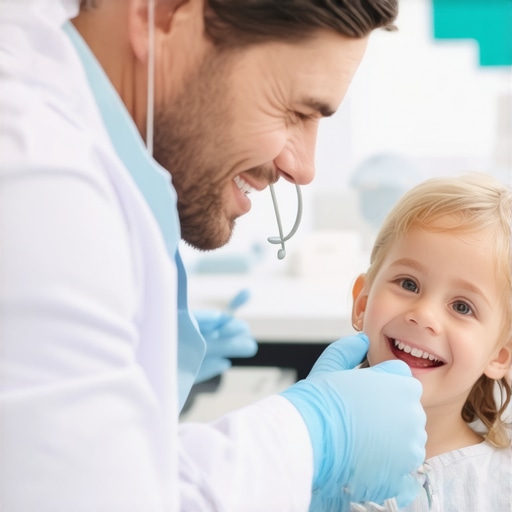
Growing up, I rarely thought about dental visits beyond the occasional cavity filling. It wasn’t until I became an adult and started a family that I truly understood the importance of consistent, comprehensive oral care. I vividly remember taking my children to their first dental appointment and realizing how foundational good dental habits are for lifelong health. This experience sparked my passion for family dentistry and made me committed to ensuring my loved ones have healthy, radiant smiles.
Understanding the Core of Family Dentistry: More Than Just Teeth
Family dentistry is about creating a healthy foundation that lasts a lifetime. It involves preventive care, education, and addressing specific needs across all ages. From toddlers learning to brush to seniors managing complex dental issues, family dentistry offers tailored solutions that simplify oral health routines. I’ve found that building a trusting relationship with a compassionate dentist makes it easier to maintain consistent care and catch potential problems early. For more insights, check out this comprehensive guide.
What Are the Essential Practices for a Healthy Family Smile?
In my experience, there are several key practices that help keep everyone’s smiles healthy. Regular brushing with fluoride toothpaste, daily flossing, and limiting sugary snacks are foundational. I also prioritize routine dental checkups, which allow for early detection of issues like cavities or gum disease. As I learned from trusted dental sources, professional cleanings remove plaque buildup that brushing alone can’t eliminate, preventing more serious problems down the line.
How Can I Make Oral Care Fun and Effective for My Kids?
Getting children excited about dental health isn’t always easy, but I found that turning it into a game works wonders. Using colorful brushes, singing songs, or offering small rewards helped my kids look forward to brushing. I also make it a point to explain why good oral hygiene matters, fostering a sense of responsibility. For tips on making dental routines engaging, I recommend exploring these expert secrets.
What’s the Best Way to Balance Family Schedules and Dental Appointments?
Balancing busy family lives can be challenging, but I’ve found that scheduling appointments during less hectic times and incorporating dental visits into our routine works well. Using digital reminders and maintaining a family calendar ensures no one forgets upcoming checkups. Consistency is key; the more we stick to regular visits, the more confident I feel about my family’s oral health. If you’re looking for ways to streamline your scheduling, visit this contact page.
Maintaining oral health is a shared responsibility, and I believe that education, routine, and a little creativity go a long way. I encourage you to share your own tips or questions in the comments—together, we can build a community committed to keeping our loved ones’ smiles healthy for years to come.
How Do Modern Dental Technologies Revolutionize Family Oral Care?
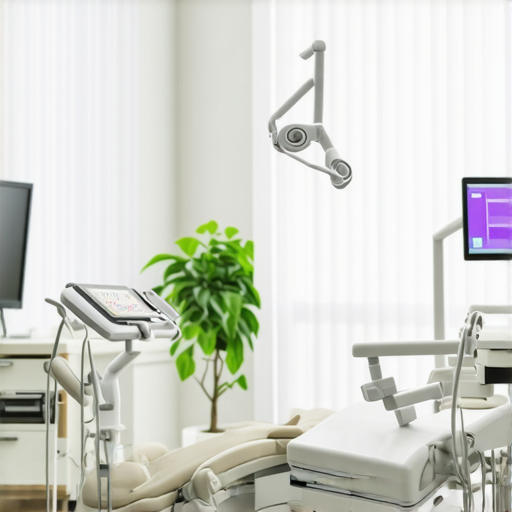
Staying ahead in family dentistry means embracing innovative technologies that make oral care more effective, comfortable, and tailored to individual needs. From digital impressions to laser dentistry, these advancements are transforming the way we approach routine checkups and complex procedures alike. For example, intraoral scanners eliminate the discomfort of traditional molds and expedite the process, leading to quicker diagnoses and treatment planning. Laser dentistry reduces the need for anesthesia and minimizes bleeding, making procedures less intimidating, especially for children. These innovations not only improve outcomes but also foster a positive attitude toward dental appointments—something I consider crucial for lifelong oral health. To explore more about recent breakthroughs, visit this resource.
Creating a Personalized Oral Health Plan for Your Family
Every family is unique, and a one-size-fits-all approach rarely yields optimal results. As an expert, I emphasize the importance of customized dental care plans that consider age, dental history, and lifestyle. For instance, children may need fluoride varnishes or sealants to prevent cavities, while adults might focus on periodontal health or cosmetic improvements. Regular assessments allow dentists to adapt routines, recommend specialized products, and address emerging issues early. Incorporating tools like electric toothbrushes or water flossers can significantly boost daily oral hygiene effectiveness. For more insights on building a tailored plan, see this comprehensive guide.
Can Education and Engagement Sustain Long-Term Oral Health Habits?
Absolutely. Education is the cornerstone of enduring oral health habits. When family members understand the ‘why’ behind routines, compliance improves. I’ve found that interactive activities, such as watching animated videos about plaque or demonstrating proper brushing techniques, make learning enjoyable. Moreover, involving children in choosing their toothbrushes and dental products fosters a sense of ownership. Regularly discussing the importance of diet, hydration, and avoiding tobacco or excessive sugar fortifies these habits. According to the American Dental Association, ongoing education and positive reinforcement significantly reduce the risk of dental diseases over the years. For practical tips, explore this expert advice.
How Can We Leverage Family Dynamics to Promote Better Oral Hygiene?
Understanding family dynamics allows us to craft strategies that foster collective responsibility. For example, establishing family brushing times creates a routine, making oral care a shared activity rather than a chore. Celebrating milestones, like achieving a month of daily flossing, motivates everyone. Sharing stories about dental visits and emphasizing the benefits of healthy smiles can inspire children and adults alike. Creating a positive atmosphere around dental health helps reduce anxiety and resistance. Additionally, engaging all family members in selecting dental products or scheduling appointments encourages participation. Want more ideas on integrating family routines seamlessly? Check out these family-friendly tips.
If you’re interested in learning how to incorporate the latest dental innovations into your family’s routine or need personalized advice, don’t hesitate to reach out to us. Sharing your experiences and questions can help build a community dedicated to lifelong healthy smiles. And for ongoing inspiration, consider reading more about how cosmetic dentistry can boost confidence.
Embracing the Complexity of Family Dentistry: More Than Meets the Eye
As I continue to immerse myself deeper into the world of family dentistry, I realize that it is a field rich with nuanced challenges and opportunities for personalized care. It’s not just about routine checkups or quick cleanings; it’s about understanding the unique stories behind each smile, the fears that may accompany dental visits, and the cultural or psychological factors that influence oral health behaviors. One of the most profound lessons I’ve learned is that building trust is a delicate process—requiring patience, empathy, and genuine listening. When I reflect on my own experiences, I see how small gestures, like explaining procedures thoroughly or remembering personal details, can transform a routine appointment into a positive experience. This depth of connection encourages not only compliance but also fosters long-term relationships that support ongoing health. For insights into how these relationships evolve, I recommend exploring this comprehensive guide.
Personal Reflections on the Impact of Modern Technologies in Family Dental Care
Integrating cutting-edge technology into family dentistry has been a game-changer for me personally. I remember the first time I used intraoral scanners; the discomfort of traditional molds was replaced by a quick, virtually painless process. It was a revelation—patients responded positively, and the accuracy of digital impressions improved diagnostic precision. Laser dentistry, too, has opened new avenues for managing complex cases with minimal invasiveness, especially for children who are anxious about drills or needles. These innovations demand a learning curve but also deepen my appreciation for how technology can elevate patient care. What really excites me is the potential for AI-driven diagnostics that could further personalize treatment plans and predict future dental issues before they manifest. For those curious about the latest advancements, check out this resource.
Reflecting on the Balance Between Routine and Personalized Care
One of the ongoing challenges I face is striking the right balance between standardized protocols and individualized care strategies. While guidelines provide a foundation, every family member’s needs are unique—shaped by genetics, lifestyle, and personal preferences. I’ve found that regularly reassessing each patient’s situation, especially through detailed histories and open dialogues, allows me to tailor interventions more effectively. For example, a teenager might prioritize orthodontic options, while an elderly patient may need specialized periodontal maintenance. This personalized approach requires ongoing education and flexibility but ultimately leads to more meaningful patient relationships. If you want to explore how to make your family’s dental routines more effective and tailored, visit this guide.
Engaging Families in Long-Term Oral Health: A Deeper Dive
Engagement isn’t just about convincing someone to brush twice a day; it’s about cultivating a mindset that values oral health as an integral part of overall well-being. Personally, I’ve found that involving family members in goal-setting, celebrating milestones, and sharing success stories foster a supportive environment. For instance, creating friendly competitions or reward systems can motivate children and adults alike. Moreover, addressing emotional barriers—such as dental anxiety or misconceptions—requires patience and empathy. I often share my own experiences to normalize fears and demonstrate that overcoming them is possible. For more strategies on fostering long-term habits, I recommend reading this article. These efforts reinforce a collective commitment to maintaining healthy smiles for life.
The Ethical Dimension: Navigating Patient Autonomy and Cultural Sensitivity
One aspect that deeply influences my practice is respecting patient autonomy and cultural differences. Every family comes with its own set of beliefs, traditions, and expectations. Navigating these requires cultural competence and ethical sensitivity. I’ve learned to ask open-ended questions, listen actively, and tailor my recommendations to align with each individual’s values. For example, some families may prioritize natural or holistic approaches, while others focus on the latest technological solutions. Recognizing these differences and providing balanced, respectful advice helps build trust and ensures compliance. Reflecting on this has reinforced my belief that effective family dentistry is as much about emotional intelligence as it is about clinical expertise. If you’re interested in exploring how to incorporate these principles into your own care routines, reach out via this contact page. Sharing insights and experiences can help us all grow in our understanding of truly personalized care.
How Can Cutting-Edge Innovations Elevate the Personalization of Family Dentistry?
My journey into integrating advanced dental technologies has profoundly reshaped my approach to personalized family care. The application of digital dentistry tools, such as intraoral scanners, not only streamlines procedures but also enhances diagnostic accuracy—allowing me to tailor treatments precisely to each family member’s unique dental landscape. These innovations facilitate early detection of issues like micro-cavities or early periodontal disease, enabling proactive interventions that align with individual health goals. Moreover, AI-driven diagnostic platforms are beginning to predict future dental vulnerabilities, empowering families with preventive strategies that are data-informed and highly personalized. This technological evolution underscores a shift from reactive to proactive, customized care that respects each patient’s distinct needs and circumstances.
In my practice, I’ve observed that when patients experience the benefits of technology—less discomfort, faster results, and more precise treatments—they become more engaged and committed to maintaining their oral health. For example, laser dentistry has minimized invasiveness, especially for children with dental anxieties, transforming their experience into something positive rather than intimidating. Staying ahead with these innovations demands continuous learning and adaptation, but the rewards—improved patient outcomes and stronger trust—are invaluable. If you’re interested in how these advancements can be integrated into your family’s routine, I encourage you to explore the latest cosmetic dentistry breakthroughs.
What Are the Ethical and Practical Considerations When Adopting New Dental Technologies?
While technological advances promise remarkable benefits, they also introduce ethical and practical questions, especially regarding data privacy, informed consent, and equitable access. Ensuring that families understand how their data is used and stored is paramount; transparency builds trust and aligns with best practices outlined by authoritative bodies such as the American Dental Association. Practically, integrating these tools requires significant investment in training and equipment, which can be a barrier for some practices. Therefore, I advocate for a balanced approach—adopting innovations that demonstrably improve patient care without compromising ethical standards or accessibility. This thoughtful integration ensures that the benefits of technological progress serve all families equitably, fostering a future where personalized dentistry is the norm rather than the exception.
If you’re eager to deepen your understanding of how emerging technologies can transform your family’s dental experience, I invite you to share your questions or insights. Engaging with these topics helps us all navigate the complex landscape of modern oral health, ultimately leading to smarter, more personalized care for everyone.
Things I Wish I Knew Earlier (or You Might Find Surprising)
The Power of Early Education
One thing I wish I had understood sooner is how crucial starting oral health education early really is. Teaching kids proper brushing techniques and healthy eating habits from a young age sets the foundation for lifelong dental wellness. I vividly remember how my own hesitation about brushing turned into enthusiasm once I made it a fun family activity.
Technology Transforms Experiences
Discovering how modern dental technologies like digital impressions and laser treatments can make visits less intimidating was eye-opening. These innovations not only improve accuracy but also significantly enhance patient comfort, especially for children who are often nervous about traditional procedures.
Personalized Care Makes a Difference
I’ve learned that every family member has unique needs. Tailoring dental routines and treatment plans based on individual lifestyles and health histories leads to better outcomes and more satisfied smiles. It’s a reminder that one size doesn’t fit all in family dentistry.
The Importance of Routine Beyond Routine
Routine dental visits are more than just checkups; they’re opportunities for early detection and prevention. Regular professional cleanings can prevent issues that even the best home care might miss, saving time and discomfort in the long run.
Building Trust Through Compassion
Creating a trusting relationship with your dentist transforms the entire experience. When patients feel listened to and respected, they’re more likely to maintain their dental health commitments and feel confident during visits.
Resources I’ve Come to Trust Over Time
- American Dental Association (ADA): Their guidelines and research are the gold standard in dental health; I recommend their website for credible, up-to-date information.
- Colgate’s Oral Health Resources: Their tips and educational tools are practical and engaging for families looking to improve daily routines.
- National Institute of Dental and Craniofacial Research (NIDCR): They offer comprehensive research and insights that deepen my understanding of dental science and innovations.
- Dental Journals like the Journal of Dental Research: Staying updated with peer-reviewed studies helps me understand emerging trends and evidence-based practices.
Parting Thoughts from My Perspective
Family dentistry is more than a routine; it’s a vital part of nurturing healthy, confident smiles for a lifetime. Embracing new technologies, personalized approaches, and continuous education makes all the difference. If this resonated with you, I’d love to hear your thoughts or experiences. Sharing our stories helps build a community committed to lifelong oral health and happiness. Remember, a smile is a universal language of kindness—let’s keep them healthy and radiant together.
Reading this heartfelt post really resonates with me, especially about building trust and creating a positive experience for the whole family. I remember how my own fear of dental visits was eased by a compassionate dentist who explained everything thoroughly and made me feel comfortable. It made me more receptive to regular checkups and proactive about my oral health. I’ve found that involving kids in choosing their toothbrushes and letting them participate in routine decisions makes a big difference in fostering those healthy habits early on. As parents, I think we sometimes underestimate how much emotional reassurance and education can influence long-term compliance.
What strategies have others found effective for overcoming dental anxiety in both children and adults? I’d love to hear tips that have worked in different family settings. It seems that making the experience less intimidating and more empowering encourages better habits. Also, with all the new technologies and personalized care options, do you think the future of family dentistry will be even more tailored and less stressful? I’m interested to see how technological innovations will continue to shape positive experiences for everyone.
Reading this post really struck a chord with me, especially about the importance of building trust from a young age. I remember when my daughter was anxious during her first few dental visits, and what truly helped was a dentist who took the time to explain everything in a friendly, approachable manner and used visual aids to ease her fears. It made her more comfortable and even excited about future appointments. Over time, I learned that making dental visits a positive experience can turn what seems like a stressful event into an educational opportunity and a chance to reinforce good habits. I also started involving her in choosing her toothbrush and floss, which gave her a sense of ownership. Have others found that involving children in their oral care choices makes a noticeable difference? And with advancements in technology, like digital impressions and less invasive procedures, do you see a future where kids will associate dental visits with fun and innovation instead of fear? I believe these innovations will continue to make a big difference in long-term oral health and experience.
I really appreciate this heartfelt perspective on family dentistry. Like many others, I’ve seen firsthand how building trust and making dental visits enjoyable can significantly impact a child’s attitude toward oral health. I remember when my youngest started expressing fears about the dentist; what made a difference was choosing a practice that used modern, less invasive tech and focused on gentle, patient-centered care. It’s inspiring to hear how new technologies, such as digital impressions and laser dentistry, are reshaping experiences—bringing comfort and efficiency. From your insights, it seems that proactive education and embracing technological advances do more than just improve outcomes—they help create positive associations that last a lifetime. I’ve found that engaging children with fun routines and giving them some control, like choosing their toothbrush, helps reinforce good habits early. How have you found that involving kids in their own dental care influences their enthusiasm and compliance as they grow? I believe continuous innovation and personalized care will make family dentistry even more accessible and less intimidating for everyone.