
Discovering the Secret to a Radiant Smile: My Personal Experience
It all started a few months ago when I realized that no matter how much I brushed, my teeth still lacked that bright, confident sparkle I longed for. Like many, I was skeptical about whitening products but eager for genuine results. After researching and testing various methods, I found some surprisingly effective teeth cleaning and whitening tips that transformed my smile and boosted my confidence.
The Power of Consistent Oral Hygiene
One thing I learned early on is that regular, thorough teeth cleaning is the foundation of a bright smile. Brushing twice a day with a fluoride toothpaste, flossing daily, and using an antibacterial mouthwash became my routine. I also discovered that professional cleanings every six months make a significant difference, catching plaque buildup before it causes discoloration or decay. For more insights, I recommend checking out this article on the importance of routine dental care.
Whitening Strategies That Truly Work
After mastering daily hygiene, I turned my attention to whitening. I experimented with various over-the-counter products but found that whitening toothpaste and gentle bleaching strips offered the best results without sensitivity. One tip I swear by is using whitening products at night, allowing the active ingredients to work while I sleep. Additionally, avoiding stain-causing foods and drinks like coffee, red wine, and berries can keep your teeth brighter longer. Curious about other modern cosmetic dentistry solutions? Explore this resource for innovative options.
Can Natural Remedies Really Brighten My Smile?
What about natural methods like baking soda or oil pulling? Do they really make a difference?
From my experience, natural remedies can support your oral health, but they shouldn’t replace professional treatments. Baking soda, for example, can help remove surface stains, but using it excessively may harm enamel. Oil pulling with coconut oil is soothing and may reduce bacteria, but evidence on whitening benefits remains limited. I recommend consulting with your dentist before trying these methods, ensuring they complement your overall oral care routine.
If you’ve tried any of these tips, I’d love to hear about your results! Share your experiences in the comments below or visit our contact page.
Unlocking the Science Behind Long-Lasting Oral Brightness
As a dental professional, I often emphasize that achieving a radiant smile isn’t just about quick fixes; it’s rooted in understanding the nuanced science of oral health. Regular brushing and flossing lay the groundwork, but knowing how to optimize your routine with proven techniques can make a significant difference. For instance, incorporating **antioxidant-rich mouthwashes** can help reduce inflammation and promote healthier gums, which indirectly supports a brighter smile. Additionally, recent advances in **biomimetic dentistry**—employing materials that mimic natural tooth structures—are revolutionizing how we approach cosmetic treatments for durability and natural aesthetics. If you’re curious about cutting-edge innovations, check out this article.
Can You Really Prevent Discoloration Without Frequent Whitening?
Is there a way to maintain your smile’s brightness without relying on constant whitening treatments?
Absolutely. Expert advice suggests that the foundation for a consistently bright smile is *preventive care.* This means minimizing stain-causing foods and beverages—think coffee, tea, and red wine—and maintaining meticulous oral hygiene. Additionally, incorporating **sealants** and **fluoride varnishes** can fortify enamel, making it more resistant to staining and decay. Regularly scheduled professional cleanings are essential; they remove plaque and surface stains that home care can’t reach. For a comprehensive guide on maintaining long-term oral health, visit this resource.

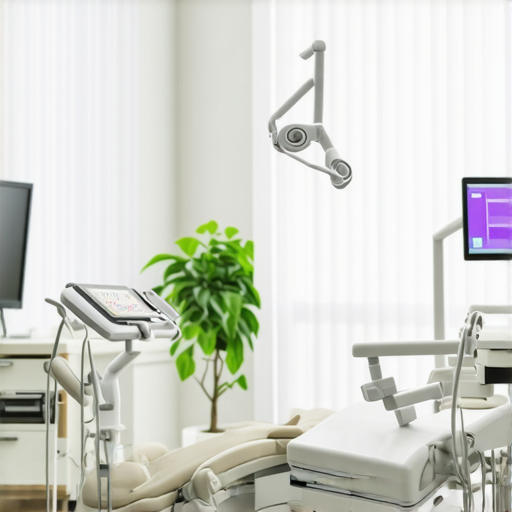
Image showing a professional dental cleaning in progress, highlighting the importance of routine visits for maintaining bright teeth.
Natural and Holistic Approaches: Do They Hold Up?
Are natural remedies like charcoal or turmeric effective for whitening, or are they just trendy?
As a practitioner, I advise patients to approach natural remedies with cautious optimism. Activated charcoal has gained popularity for its superficial stain removal capabilities; however, overuse can erode enamel if not used properly. Turmeric, known for its anti-inflammatory properties, has also been experimented with as a whitening agent, but scientific evidence supporting its efficacy remains limited. It’s crucial to consult with your dentist before integrating these into your routine to ensure they complement, rather than compromise, your oral health. Remember, the safest and most effective whitening strategies are backed by clinical research and tailored to your specific needs.
If you’ve experimented with any of these natural methods or want more personalized advice, share your experiences in the comments or explore more expert tips at this page.
Embracing the Nuances of Natural Remedies: A Personal Reflection
In my journey to maintain a radiant smile, I’ve explored various natural remedies, each with its own set of complexities. While baking soda can gently polish away surface stains, I’ve learned that overdoing it risks damaging enamel—something I experienced firsthand when my teeth became more sensitive. This taught me the importance of moderation and professional guidance when incorporating such methods. Similarly, oil pulling with coconut oil offers a soothing ritual, but the evidence supporting its whitening effects remains limited. My experience has shown me that natural remedies should complement, not replace, scientifically backed treatments, and always under the supervision of a dental professional.
Understanding the Deep Science Behind Long-Lasting Brightness
From my perspective as both a practitioner and a patient, I find it fascinating how advancements like biomimetic dentistry are transforming our approach to smile enhancement. These materials mimic natural tooth structures, offering superior durability and aesthetics. Incorporating antioxidant-rich mouthwashes can help reduce gum inflammation, creating a healthier foundation for a brighter smile. Such nuanced understanding emphasizes that maintaining whiteness is an ongoing process rooted in science, requiring both consistent care and awareness of emerging innovations. For those interested in delving deeper, I recommend exploring this article on cutting-edge cosmetic solutions.
Can Preventive Care Truly Sustain a Bright Smile Without Frequent Whitening?
Absolutely. My experience underscores that the key to long-term brightness lies in prevention. By minimizing stain-causing foods like coffee, tea, and red wine, and prioritizing meticulous oral hygiene—including regular flossing and professional cleanings—you can significantly reduce the need for repeated whitening treatments. Enamel sealants and fluoride varnishes act as protective barriers, fortifying teeth against future staining. I’ve seen firsthand how a disciplined routine can preserve that initial glow for years, reinforcing that prevention is indeed better than cure. For more insights, I invite you to explore this comprehensive guide.
The Role of Personal Habits and Mindset in Smile Preservation
Beyond the technical aspects, I’ve noticed that mindset plays a vital role. Maintaining a positive attitude towards oral health—viewing it as an ongoing journey rather than a chore—can make all the difference. Small daily habits, like rinsing after staining foods and choosing healthier beverage options, contribute cumulatively. Over time, these habits become second nature, reinforcing the importance of consistency and patience. Sharing these experiences with my patients has deepened my appreciation for how psychological factors influence physical results. I encourage everyone reading this to reflect on their routines and consider how small adjustments could lead to lasting improvements.
If you have personal stories or insights about maintaining a bright smile, please share your experiences in the comments below or visit our contact page. Your journey might inspire someone else to take that next step towards a confident, radiant smile.
The Intricate Science of Preventive Dentistry: A Deep Dive
Over the years, my approach to preventive dentistry has evolved into a comprehensive science that integrates the latest research with personalized patient care. Beyond routine brushing and flossing, I emphasize the importance of understanding the role of saliva composition and flow in protecting enamel. Recent studies, such as those published in the Journal of Dental Research, highlight how saliva’s buffering capacity and mineral content are crucial in preventing demineralization and caries development. Incorporating technologies like salivary diagnostics allows for tailored preventive strategies, ensuring patients receive precise interventions that address their unique oral environments.
Innovative Cosmetic Solutions: Beyond Traditional Whitening
My experience with cosmetic dentistry has shown that the future lies in minimally invasive, biomimetic techniques. For example, the use of composite veneers with nanohybrid materials enables us to achieve natural aesthetics with minimal preparation. Additionally, the advent of laser whitening procedures offers controlled, safe, and rapid results, often with less sensitivity and downtime. Integrating these treatments with digital smile design software allows for meticulous planning and patient involvement, ensuring satisfaction and confidence in the final outcome. For an in-depth understanding, I recommend exploring this detailed overview.
Addressing Complex Cases: The Role of Biocompatible Materials
In handling complex restorative cases, I’ve found that the choice of materials significantly impacts long-term success. Biomimetic materials, such as bioactive glass composites, not only restore function and aesthetics but also promote remineralization and tissue healing. These materials are especially beneficial in patients with high caries risk or sensitivity. My approach involves meticulous case analysis, considering factors like occlusion, biocompatibility, and future maintenance. Utilizing CAD/CAM technology accelerates this process, providing precise, durable restorations that blend seamlessly with natural dentition. To learn more about these innovations, delve into this resource.
Mastering the Art of Patient-Centered Care in Modern Dentistry
One of the most enriching aspects of my practice is cultivating patient trust through education and empathy. I believe that transparency about treatment options, backed by scientific evidence, empowers patients to make informed decisions. I often incorporate visual aids and 3D models to illustrate complex procedures, which enhances understanding and reduces anxiety. Moreover, I advocate for a holistic approach, considering systemic health influences such as diabetes and osteoporosis, which can affect oral health outcomes. This comprehensive perspective aligns with current research emphasizing the interconnectedness of oral and general health, as discussed in this article.
What Are the Latest Developments in Regenerative Dentistry and Their Practical Applications?
Regenerative dentistry is an exciting frontier that aims to restore damaged tissues using biologically active materials and stem cell technology. In my practice, I’ve begun integrating platelet-rich plasma (PRP) and growth factors to stimulate tissue regeneration in periodontal and endodontic procedures. These advancements not only enhance healing but also extend the longevity of restorations. While still evolving, clinical trials suggest promising outcomes, and ongoing research, such as that published in the International Journal of Oral Science, continues to pave the way for broader adoption. I encourage practitioners and patients alike to stay informed about these transformative therapies and consider their potential benefits for long-term oral health.
If you’re passionate about elevating your understanding of comprehensive dental care and want to exchange insights, I invite you to connect through our contact page. Together, we can explore innovative solutions that keep your smile vibrant and healthy for years to come.
Things I Wish I Knew Earlier (or You Might Find Surprising)
Natural Remedies Can Support Your Routine
When I first heard about baking soda and oil pulling, I was skeptical but curious. I found that used wisely, these natural methods can complement your regular oral care, but I learned the hard way that overdoing it can harm enamel. Balance and professional advice are key.
Consistency Is More Important Than Quick Fixes
My biggest breakthrough came when I realized that daily habits—like rinsing after staining foods and regular brushing—build up over time. Good habits beat the allure of temporary whitening treatments every time.
Smile Confidence Comes from Within
Boosting my smile wasn’t just about whitening products; it was about feeling good about myself. A positive mindset and self-care routine made my smile truly radiant from the inside out.
Professional Cleanings Are Game Changers
Scheduling regular visits with my dentist helped me catch issues early and kept my teeth looking their best. I highly recommend checking out this article to understand how simple routine care makes a difference.
Resources I’ve Come to Trust Over Time
- American Dental Association (ADA): Their guidelines and research are top-notch and have shaped my understanding of proper oral health practices.
- PubMed Dental Journal: For the latest scientific studies, this is my go-to resource to stay informed about innovations and evidence-based treatments.
- Colgate’s Oral Care Resources: Their approachable advice helped me implement effective daily routines and choose the right products.
- National Institute of Dental and Craniofacial Research (NIDCR): Offers comprehensive info on oral health topics that I find reliable and up-to-date.
Parting Thoughts from My Perspective
Maintaining a bright, healthy smile is a journey that combines science, habits, and self-love. While natural remedies and routine care play vital roles, trusting professional guidance and embracing ongoing learning make all the difference. If this resonated with you, I’d love to hear your thoughts or experiences. Feel free to share or drop a comment below—your story might inspire someone else to take that next confident step toward their perfect smile!
Wow, this post really resonated with me, especially the emphasis on consistent oral hygiene. I used to rely heavily on whitening products, but I found that maintaining a rigorous daily routine with proper brushing, flossing, and professional cleanings has made such a difference in my smile’s brightness over time. I also tried natural remedies like oil pulling, but I agree, they should be seen as supplemental rather than primary solutions, as professional treatments backed by science tend to offer more reliable results. Has anyone here experienced notable improvements by integrating antioxidant-rich mouthwashes or biomimetic materials into their routine? I think the science behind these advancements is fascinating and makes me optimistic about future options for long-lasting results.
Reading through this post, I really appreciate the holistic approach to achieving a brighter smile. It’s inspiring to see how combining proper oral hygiene with emerging technologies like biomimetic materials can make such a difference. In my personal experience, incorporating antioxidant-rich mouthwashes has helped reduce gum inflammation, which I believe fosters a healthier environment for maintaining whiteness over time. I’m curious, though—have others found that these advanced treatments or superfoods like green tea actually accelerate long-term whitening and gum health, or is consistency in basic care still the most critical factor?
I’ve seen some studies suggesting that supporting your oral microbiome can also play a role in maintaining overall oral aesthetics. It’s fascinating how science continues to evolve in this space. What are your thoughts on balancing these newer treatments with tried-and-true habits? Would love to hear what has worked for others in creating that genuinely confident smile.