I remember the moment clearly: I was standing in front of my bathroom mirror, feeling the cold brush in my hand, and suddenly realizing my teeth hadn’t felt quite right for days. Despite regular brushing, there was a lingering dullness and a hint of sensitivity I couldn’t shake. That lightbulb moment hit me—something was missing in my oral health routine. If you’ve ever experienced that frustrating feeling, you’re not alone. It’s easy to think a quick brush here and there is enough, but real lasting results demand a deeper approach.
Why Maintaining Effective Teeth Cleaning Matters More Than Ever
In today’s busy world, many overlook the critical importance of a consistent, effective oral care routine. It’s not just about avoiding cavities or freshening your breath; your mouth is a gateway to your overall health. Poor oral hygiene has been linked to serious conditions like heart disease, diabetes, and even Alzheimer’s. According to the American Dental Association, neglecting proper cleaning can lead to plaque buildup, causing gum disease and ultimately, tooth loss if not addressed early (source).
Yet, many of us fall prey to common mistakes—like relying solely on brushing or dismissing the importance of professional cleanings. I used to think that a quick brush twice a day was all I needed, only to find out I was missing areas that food and plaque loved to hide. It wasn’t until I learned about the benefits of comprehensive cleaning techniques that I saw a real change in my smile’s brightness and health.
Have You Faced the Frustration of Stubborn Stains or Persistent Bad Breath?
One thing I must admit—early in my journey, I made the mistake of neglecting my tongue cleaning and flossing. It’s easy to overlook these vital steps, but they’re essential for removing debris and bacteria that cause problems elsewhere in your mouth. Recognizing these gaps was my turning point, and I encourage you to look for similar overlooked areas in your routine.
In this post, I’ll share proven strategies that have helped me maintain a vibrant, healthy smile. From effective brushing techniques to the latest innovations in cosmetic dentistry, we’ll cover everything you need to know for long-lasting results. Ready to transform your oral health and boost your confidence? Let’s dive into the what, why, and how of a truly effective teeth cleaning routine.
Choose the Right Tools and Prepare Your Space
Start by selecting a soft-bristled toothbrush and fluoride toothpaste, similar to how a painter chooses delicate brushes for fine detail. I once grabbed my old, stiff brush in a rush, which caused gum irritation and left my mouth feeling scraped. To avoid this, I laid out my tools on a clean surface, ensuring everything was ready for a smooth routine. Remember, using the right tools improves plaque removal and prevents damage.
Master the Proper Brushing Technique
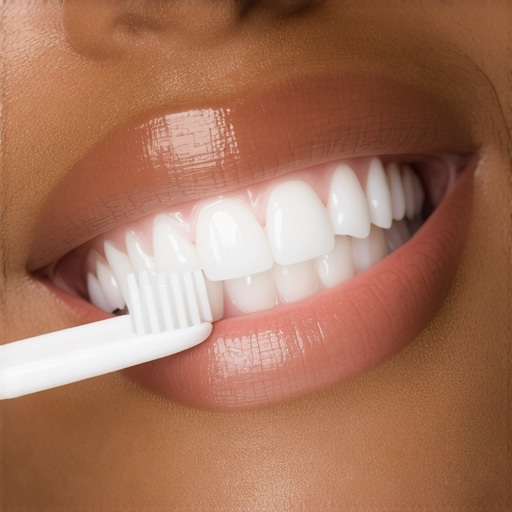
Think of brushing like polishing a gemstone: gentle, deliberate strokes are more effective than aggressive scrubbing. Hold your toothbrush at a 45-degree angle to your gums and use small circular motions to clean surfaces thoroughly. I once tried to speed through brushing, but the next morning, I noticed stubborn stains persisted. Slowing down and adopting a precise technique transformed my results, revealing a brighter smile.
Focus on All Surfaces
Divide your mouth into quadrants and dedicate at least 30 seconds to each. Don’t forget the inside surfaces and the hard-to-reach back molars. I vividly remember missing the inside of my upper molars, which led to plaque buildup and minor discomfort. Using a timer helped me stay consistent, ensuring no area was neglected.
Floss to Clear Hidden Food Particles
Flossing is like gatekeeping—removing debris that toothbrushes can’t reach. Gently slide the floss between teeth, curving it around each tooth like a candy wrapper, to dislodge trapped particles. One time, I tried flossing aggressively, which caused bleeding and soreness. Learning to floss carefully not only prevented discomfort but also significantly reduced bad breath and staining.
Incorporating flossing daily bridges the gaps left by brushing alone, preventing plaque buildup and gum disease. For added effectiveness, I soaked my floss in mouthwash occasionally, which enhanced bacteria-killing power, aligning with expert advice found at this resource.
Clean Your Tongue for Fresh Breath
Imagine your tongue as a carpet, collecting bacteria and food particles. Using a tongue scraper or the back of your toothbrush, gently remove coatings. I used to overlook this step, but after noticing persistent bad breath, I added tongue cleaning. The difference was immediate—a fresher mouth feeling that lasted all day. Regular tongue cleaning disrupts bacterial colonies, reducing risks of discoloration and tartar.
Finish with Mouth Rinse and Maintenance
Rinsing with an antibacterial mouthwash or a fluoride rinse seals the works, providing a protective layer and freshening breath. I kept a bottle nearby and swished for 30 seconds after brushing. This habit helped mitigate plaque buildup and mineralize enamel. Remember, consistency is key; make this a nightly ritual for lasting results.
Tips like these, combined with regular professional Cleanings, are like buffing a car—essential for maintaining a gleaming, healthy smile. For deeper understanding of modern innovations, check the latest in cosmetic dentistry. Mastering these steps will set the foundation for a confident, radiant smile that lasts a lifetime.
Many believe that cosmetic dentistry is purely about vanity, but in reality, it involves nuanced techniques that can significantly impact long-term oral health. A common myth is that whitening treatments are risk-free; however, overdoing bleaching without professional guidance can weaken enamel, increasing sensitivity and vulnerability to decay (source). Another misconception is that frequent teeth cleanings are unnecessary once you practice good hygiene, but professional cleanings remove tartar buildup that regular brushing and flossing can’t reach, preventing gum disease and cavities.
A common mistake many overlook is focusing solely on superficial aesthetics—like veneers—without considering underlying issues such as bite misalignment, which can cause uneven wear, jaw pain, and even TMD (temporomandibular joint disorder). Advanced cases reveal that comprehensive dental assessments are essential before cosmetic procedures, emphasizing the importance of a tailored treatment plan.
Now, for the sophisticated reader: How does minimally invasive cosmetic dentistry balance aesthetic outcomes with preserving natural tooth structure and oral health? Experts argue that techniques like composite bonding and clear aligners, which conserve much of the tooth’s original material, can deliver stunning results without the downsides of more aggressive interventions (source). Understanding the nuances here is crucial to avoid replacing good health with superficial beauty.
Additionally, it’s vital to recognize the role of emerging technologies such as digital smile design, which allows precise planning to ensure that aesthetic enhancements complement facial harmony and function. This approach exemplifies how advanced techniques require both artistic vision and technical expertise—something many patients don’t realize when opting for quick fixes.
Were you aware of how these subtle choices influence your long-term oral health? Don’t get caught in the trap of chasing transient beauty without understanding the underlying science. Check out the latest innovations in cosmetic dentistry to make informed decisions (more here), and remember—true confidence stems from health as much as from appearance.
Have you ever fallen into this trap? Let me know in the comments.
Keep It Working: The Tools That Make a Difference
Maintaining your oral health and achieving lasting cosmetic results requires not only good habits but also the right tools. Over the years, I’ve refined my toolkit to include equipment that genuinely elevates my routine and ensures consistent results. Selecting high-quality, effective instruments is essential—smooth, gentle brushes, specialized flossers, and advanced technology all play crucial roles. For example, I personally swear by the Sonicare DiamondClean Smart toothbrush because its sonic technology provides superior plaque removal without damaging gums, which is critical for long-term health. Additionally, investing in a water flosser like the Waterpik ensures hard-to-reach areas are thoroughly cleaned, reducing the risk of plaque buildup and gum disease.
Beyond physical tools, software solutions have become instrumental in tracking and improving oral habits. Apps like Dental Monitoring allow remote assessment by professionals, providing instant feedback on brushing angles or flossing techniques. This is especially helpful if you’re working on cosmetic procedures, like whitening or veneers, where meticulous care extends beyond the dental appointment. The integration of these tools into daily routines creates a synergy that sustains long-term results, making maintenance more manageable and less of a chore.
Looking ahead, trends in the industry point towards smarter, AI-driven devices that adapt to individual mouth structures. Imagine brushes that automatically adjust pressure or flossers that map your teeth’s contours for optimal cleaning. The future of dental maintenance is poised to make personalized care more accessible and effective, allowing patients to proactively protect their investments in cosmetic dentistry while preserving oral health.
How do I maintain the tools and techniques for optimal results over time?
Regularly replacing brush heads and floss tips—every three months or sooner—is vital because worn-out tools lose efficacy and can harbor bacteria. Cleaning and disinfecting electronic devices after each use prevent bacterial buildup and extend device longevity. Scheduling professional checkups ensures that your at-home efforts are on the right track and that your tools are functioning correctly. Keep an eye on emerging innovations by consulting trusted resources like this informative guide for the latest in dental tech advancements.
One advanced tip I recommend trying is pairing your routine with an ultrasonic scaler—originally used by professionals—to gently remove calculus and stains between visits. This device is now available for personal use, marking a significant leap in at-home dental maintenance. According to a recent review in the Journal of Clinical Dentistry, ultrasonic tools can significantly reduce plaque accumulation and enhance the longevity of cosmetic procedures (source).
By integrating high-quality tools, leveraging technology, and staying informed about innovations, you can take control of your oral health and ensure your cosmetic advances last. Remember, maintenance is an ongoing process—investing in the right equipment and habits will pay dividends in your confidence and health for years to come. Next time you visit your dentist, ask about upgrading your tools or incorporating new tech solutions to optimize your long-term results.
Over the years, I’ve realized that the true key to a radiant, healthy smile isn’t just about what happens in the dentist’s chair—it’s about the lessons learned along the journey, often through personal trial and error. These insights have transformed my approach and, hopefully, can do the same for you.
Unexpected Lessons That Forever Changed My Dental Routine
- The myth of quick fixes: I used to believe a single whitening session or a new toothpaste could replace consistent good habits. But I discovered that lasting results come from dedication to a comprehensive routine, including professional cleanings and proper tools.
- The importance of overlooked steps: Tongue cleaning and flossing seemed trivial until I experienced persistent bad breath and plaque buildup. Integrating these simple, often-neglected practices made a significant difference in my overall oral health.
- Patience over perfection: Achieving a perfect smile isn’t instant. It requires patience and commitment to gradual improvements, which ultimately build confidence and healthier teeth that last a lifetime.
- The power of tailored advice: Personalized guidance from dental professionals helped me avoid common pitfalls and adopt strategies suited to my unique needs, highlighting the value of regular checkups and honest communication.
Tools and Resources That Elevated My Smile Game
- The ultimate guide to teeth cleaning techniques—a comprehensive resource that deepened my understanding of effective brushing and flossing methods, making my routine more efficient.
- Latest innovations in cosmetic dentistry—learning about new treatments inspired me to consider options like minimal invasive veneers and digital smile design, which enhance appearance without compromising health.
- Expert advice on long-term oral health—regularly revisiting professional tips kept my routine sharp and aligned with current best practices.
- Family dentistry tips—they reminded me that establishing good habits early creates a foundation for enduring dental wellness for my entire family.
Embrace Your Smile Journey Today
The pathway to a confident, healthy smile isn’t just a destination but a continuous adventure. Every brush, floss, and visit builds toward long-term wellness and radiant self-assurance. Remember, you hold the power to transform your oral health—start today and see the difference it makes.
What’s one small change in your daily routine you’re excited to try? Let me know below and take the first step toward a brighter, healthier smile!