
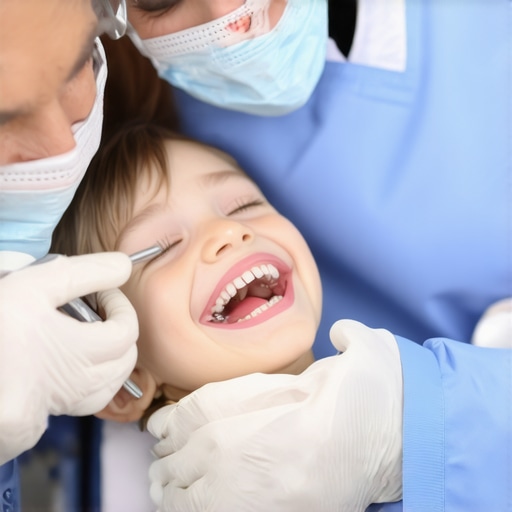
It was a morning like any other, but I couldn’t shake the feeling of dread as I looked at my child’s grimace after brushing. His tiny face contorted in discomfort, and I realized—I had been doing it all wrong. That lightbulb moment hit me hard: effective family dental care isn’t just about quick brushes and routine visits; it’s about understanding the *why* behind what we do every day to protect those precious smiles. Today, I want to share how small, intentional changes can lead to a lifetime of healthier teeth for your loved ones.
The Real Cost of Neglecting Family Oral Health
Our teeth are often taken for granted—until pain, stains, or costly procedures remind us of the importance of prevention. I learned early on that overlooking simple daily habits could snowball into serious issues like cavities or gum disease. The startling truth? According to the CDC, tooth decay is the most common chronic disease in children, yet it’s largely preventable through proper care and regular check-ups. If you’ve ever wondered whether a quick rinse or forgettable flossing session truly makes a difference, you’re not alone. I made the mistake of dismissing the significance of consistent flossing early on, thinking brushing alone was enough. Trust me, small missteps can have big consequences.
Is Dental Hygiene Overhyped or Absolutely Essential?
This is the question many parents face with skepticism. My experience? Skipping routine cleaning can lead to plaque buildup that neither brushing nor mouthwash can fully tackle. Regular professional teeth cleaning not only removes stubborn tartar but also allows your dentist to spot potential problems early, saving you pain and money down the line. Want to discover more about how to maximize your family’s dental visits? Check out our comprehensive advice on how regular teeth cleaning prevents major issues.
As we dive deeper, I’ll guide you through practical tips that have transformed my approach—and could do the same for your family’s oral health. Ready to make a change starting today?
Establish a Consistent Brushing Routine
Start by setting specific times each day for brushing—morning and night—to build a habit. Use a timer to ensure each session lasts at least two minutes. I remember the first time I used a sand timer with my kids; it made brushing fun and reinforced the habit. Consistency prevents plaque buildup and reduces cavities.
Choose the Right Tools
Opt for soft-bristled toothbrushes suited for each family member’s age. Replace toothbrushes every three months or sooner if bristles fray. Consider electric toothbrushes for children as they can make brushing more engaging and effective, similar to how a professional cleaning can remove tartar that regular brushing misses. Learn more about effective brushing techniques.
Integrate Smart Flossing Habits
Flossing is often overlooked but essential for removing debris between teeth. I recommend flossing once daily, using gentle motion to clean along the gumline. One memorable session involved me struggling to floss my child’s molars, but with patience, we turned it into a game. Consistent flossing prevents gum disease and complements brushing.
The Correct Flossing Technique
Use about 18 inches of floss, winding it around your middle fingers. Gently slide it between teeth, curving around each tooth to clean beneath the gumline. Don’t snap or force the floss; gentle, up-and-down motions are more effective and less irritating. Discover more [here](https://gentlesmiledentist.com/teeth-cleaning-secrets-achieve-a-bright-smile-in-under-30-minutes).
Schedule Regular Dental Check-Ups
Book appointments every six months to catch and address issues early. I found that maintaining a calendar of upcoming visits helped keep my family on track. During these visits, professional cleaning removes tartar and helps the dentist spot potential problems, much like a tune-up for your vehicle keeps it running smoothly. Don’t wait for pain—prevent problems before they start.
Preparing for the Visit
Encourage children to talk about their fears or questions beforehand. Bring a list of concerns and ensure the whole family maintains good oral hygiene between visits. For extra confidence, explore cosmetic options for any smile enhancements afterwards, which can motivate better habits. More info available on cosmetic dentistry possibilities.
Adopt a Healthy Diet for Dental Health
Limit sugary snacks and drinks that fuel cavity-causing bacteria. Instead, incorporate crunchy fruits and vegetables like apples and carrots that naturally clean teeth. I witnessed my child’s smile brighten when we replaced candies with healthy options. A balanced diet directly supports oral health, reducing the need for restorative treatments later on.
Hydrate Wisely
Encourage drinking plenty of water, especially fluoridated varieties. Water rinses away food particles and helps maintain a neutral pH in the mouth. An extra tip: chewing sugar-free gum after meals stimulates saliva, which acts as a natural buffer against acids. For more tips, see proven oral health strategies.
Incorporate Cosmetic Options When Appropriate
If you’re considering boosting confidence with whiter or straighter teeth, beginning with excellent oral hygiene is key. Cosmetic dentistry solutions like whitening or veneers can transform smiles, but they work best when paired with a solid foundation of daily care. I tried a whitening treatment after ensuring consistent brushing and flossing—results were stunning, and maintenance became easier.
Consult Professionals for Personal Needs
Always seek advice from your dentist to explore options tailored to your family’s dental health. They can recommend procedures such as whitening, aligners, or bonding that suit your needs. Learning about these innovations can be done through trusted resources, ensuring informed decisions.
Many people assume they fully understand the essentials of family dentistry, but beneath the surface lie nuanced misconceptions that can undermine our oral health efforts. One widespread myth is that frequent dental cleanings are solely cosmetic and unnecessary if there’s no pain. In reality, professional teeth cleanings are vital for detecting early signs of decay and gum disease often invisible to the untrained eye, as supported by the American Dental Association’s guidelines. Overlooking this step can lead to advanced issues that are costly and invasive to treat.
Another common mistake concerns cosmetic dentistry; many believe whitening or veneers are purely aesthetic, not realizing they can also improve functionality and serve as preventative measures when done by qualified professionals. However, attempting DIY whitening kits or unregulated veneers can cause irreversible damage, such as enamel erosion or sensitivity. Consulting with experienced dentists ensures safety and optimal results, as discussed in our latest cosmetic dentistry innovations.
The hidden nuance often overlooked is the *complex relationship between oral health and overall wellbeing*. Chronic inflammation from gum disease isn’t just a localized issue; it’s linked to heart disease, diabetes, and even respiratory problems. Yet, many neglect periodontal health, thinking brushing and flossing are enough. Regular check-ups, combined with periodontal assessments, are critical for a holistic health approach. For strategic tips on maintaining this balance, see expert advice for lifelong oral health.
Advanced readers should question: How do subtle oral health signs warn of systemic health problems? The answer involves understanding biomarkers like bleeding gums or persistent bad breath, which can indicate underlying conditions. A 2023 study published in the Journal of Dental Research highlights that periodontal pathogens are linked to systemic inflammation, emphasizing the importance of comprehensive care. Recognizing these signs early can allow for coordinated treatment between your dentist and healthcare provider.
Being aware of these misconceptions and nuances enables you to make informed oral health decisions. Remember, family dentistry isn’t just about cleaning teeth; it’s about safeguarding your family’s overall health and confidence. Have you ever fallen into this trap? Let me know in the comments.Maintaining your family’s oral health over the long term requires reliable tools and effective strategies. I personally swear by a cordless electric toothbrush, such as the Oral-B Genius Pro 8000, because its oscillating motion ensures comprehensive plaque removal, especially in hard-to-reach areas like molars. The built-in timer helps me and my kids brush for the full two minutes, preventing shortcuts that can lead to buildup. For flossing, I prefer using a water flosser like Waterpik Ultimate Plaque Seeker, which has transformed our daily routine by making flossing more accessible and effective, particularly for children or those with braces. It’s gentle on gums but tough on debris, aligning perfectly with my goal of gentle yet thorough oral care. When it comes to scheduling and tracking, digital apps like Philips Sonicare’s app have become invaluable—they send reminders and track progress, reinforcing good habits. For professional cleanings, I rely on a trusted dental practice that offers ultrasonic scalers; these devices, like the PiezoSciences Ultrasonic Scaler, efficiently remove tartar with minimal discomfort, reducing the need for invasive procedures later. Looking to the future, I predict that integration of AI-powered diagnostics and personalized oral health plans will become standard, allowing dentists and families to customize care down to individual risk factors. How do I maintain these tools over time? I replace toothbrush heads every three months, as recommended by dental professionals, and ensure water flossers are descaled monthly to prevent mineral buildup. Regularly cleaning and updating equipment guarantees optimal performance and hygiene. I encourage you to try an advanced tip: invest in a high-quality water flosser and commit to its daily use—it’s a game-changer in maintaining periodontal health and simplifies the process for everyone in the family. Remember, precise tools combined with consistent routines will serve as the backbone of long-lasting oral health. To explore more about effective dental maintenance strategies, visit the comprehensive guide on maintaining oral health.
Reflecting on my journey through family dentistry, I realized that the most profound lessons came from unexpected sources—those tiny moments of awareness that reshaped my entire approach. If you’ve ever wondered what truly makes a difference in long-term oral health, you’re not alone. Here’s what I’ve learned beyond the textbooks and routine tips.
What I Wish I Knew About Smiles Earlier
- Every Habit Builds or Breaks Confidence: Small daily routines like flossing, brushing thoroughly, and choosing the right tools are investments in your family’s happiness and self-esteem. I once thought a hurried brush was enough—turns out, details matter more than I imagined.
- The Power of Prevention Over Repair: Visiting the dentist regularly isn’t just about fixing problems; it’s about preventing them. The earlier you start, the fewer surprises you’ll face later, saving time, stress, and money.
- Oral Health Is a Window to Overall Wellness: Gum disease and decay aren’t isolated issues—they’re linked to your heart, immune system, and more. Recognizing this interconnectedness shifted my perspective from isolated care to holistic health management.
Tools That Transformed My Routine
- An ultrasonic scaler changed how I view professional cleanings—efficient, gentle, and thorough. My recommendation? Invest in quality tools and stay consistent with maintenance.
- Advanced whitening kits can boost confidence, but always pair them with good habits. They’re part of a bigger picture for a radiant smile.
- Apps that remind me of appointments and track progress keep me committed. Integrate technology to turn routine care into a seamless, stress-free experience.
Take the Leap in Your Family’s Smile Journey
Every smile tells a story—make yours one of health, confidence, and joy. Don’t wait for signs of trouble; act now. The future of family dentistry is bright, and you hold the brush to shape it. Start today, and watch how small changes deliver extraordinary results.
What’s the one oral health habit you’re ready to improve? Share your thoughts below—I’d love to hear your story!
And remember, for more strategies on maintaining your family’s dental wellness, check out our comprehensive guide to lifelong oral health.