
It was late at night, and I was brushing my child’s teeth when I suddenly noticed something odd. A little crookedness in that new set of adult teeth emerging behind the baby teeth. My stomach sank. I immediately wondered—could I tell if my child’s teeth were crooked before having an official x-ray? That moment stuck with me because, like many parents, I didn’t want to rely solely on dental visits to catch potential issues early. I wanted to know if I could spot signs myself, save us from future orthodontic headaches, and maybe even get ahead of the problem.
Why Catching Crooked Teeth Early Matters More Than You Think
Childhood is a whirlwind of growth, and their teeth are no exception. Misaligned adult teeth can lead to more complex orthodontic treatments down the road, affecting not just appearance but also function and overall oral health. When teeth come in crooked, parents might ignore minor irregularities, thinking they’ll sort themselves out. But the truth is, early signs can save you from costly corrections later.
From my experience, understanding what to look for before the orthodontist’s official x-ray can be a game-changer. Noticing crookedness early can lead to interceptive treatments, which are often simpler and more effective. Plus, it provides peace of mind—you’ll know whether to schedule an appointment sooner or keep an eye on the development.
Wouldn’t it be great if we could easily identify these signs ourselves? Well, that’s what I set out to explore—how to tell if your child’s adult teeth are coming in crooked before a visit to the dentist. And trust me, there are some straightforward indicators you can watch for, without needing special equipment.
Early in my journey, I made the mistake of dismissing minor misalignments as normal. I thought that since the teeth hadn’t fully emerged yet, it was too soon to worry. However, I later learned that some crookedness can be a sign of underlying issues, especially if it worsens over time. For more reliable information on maintaining your child’s oral health, check out [maintaining oral health tips](https://gentlesmiledentist.com/maintaining-oral-health-expert-advice-for-a-lifetime-of-healthy-teeth).
So, how can you tell if your child’s adult teeth might be coming in crooked? Let’s start with what to look for before the next dental visit. Recognizing these early signs can help you decide whether to address the issue promptly or monitor it as it develops.
Perform a Visual Inspection of Your Child’s Teeth
Start by observing your child’s teeth in a well-lit mirror. Look for alignment issues such as teeth that overlap, are crooked, or appear twisted. Use a soft toothbrush to gently feel along the gum line and teeth for any irregularities. During my own routine check, I noticed a slight shift in my child’s front teeth that hadn’t been apparent at the dentist’s office. This prompted me to monitor the situation more closely.
Check for Bite and Jaw Alignment
Ask your child to bite down naturally and observe the contact points. Notice if the upper and lower teeth align properly or if there are gaps, overlaps, or uneven contact. A misaligned bite can indicate crooked incoming teeth. I once saw my son’s lower teeth jutting out slightly when he closed his mouth—an early sign that needed watching.
Monitor for Crowding or Spacing Gaps
Examine the space between teeth. Crowded teeth or significant gaps can be a sign of misalignment. During my assessment, I noticed a small gap developing between his upper front teeth, which could signal future crowding.
Use a Dental Charting Technique
If you’re comfortable, create a simple chart with diagrams of teeth positions to track changes over time. Mark any irregularities you observe daily or weekly. This method helped me notice that one side’s teeth were gradually shifting more than the other, which I documented to discuss at the next appointment.
Assess Tongue and Swallowing Habits
Pay attention to your child’s swallowing pattern. A tongue thrust or abnormal swallowing can influence teeth alignment. I observed my child’s tongue protruding when swallowing, which can exert pressure on incoming teeth, contributing to crookedness. Correcting such habits early can prevent exacerbating misalignments.
Consult with a Family Dentist for Confirmation
After your preliminary checks, schedule a consultation with a family dentist experienced in early orthodontic assessment. Share your observations and discuss any concerns. During my visit, the dentist confirmed early signs of crowding that I had noticed, allowing us to consider interceptive treatment options.
Implement Daily Oral Care Routines
Maintaining proper teeth cleaning habits ensures that early signs of misalignment don’t contribute to other dental issues. Regular brushing and flossing support overall oral health and make it easier to spot irregularities. For tips on effective techniques, visit Teeth Cleaning Techniques.
Make Use of Photographic Records
Take clear photographs of your child’s teeth from multiple angles periodically. Comparing these images over weeks can reveal gradual shifts or developing irregularities. I found that keeping visual records helped me notice small changes I might have missed otherwise.
Watch for Changes in Speech or Chewing
Difficulty in speaking clearly or chewing properly can also indicate underlying misalignments. If your child shows these signs, it’s worth investigating further with a dental professional. This was the case with my niece, whose speech issues prompted an earlier orthodontic assessment.
Stay Informed About Developmental Milestones
Understanding typical tooth eruption patterns helps you identify anomalies early. Review developmental timelines and compare your child’s progress. Early irregularities, if caught, can often be addressed with less invasive procedures. Check out Oral Health Tips for more guidance.
Many people believe that brushing teeth more frequently or using expensive whitening products guarantees better oral health, but these assumptions often lead us astray. A prevalent myth is that hard toothbrushes and vigorous scrubbing effectively remove plaque—however, overzealous brushing can actually damage enamel and gums, leading to sensitivity and recession. Instead, adopting gentle, circular motions and choosing the right toothbrush are crucial; for detailed techniques, check out this comprehensive guide.
Beyond cleaning, there’s a misconception that cosmetic dentistry alone can solve underlying oral health issues—yet, many overlook that aesthetic treatments do not replace the importance of routine preventive care. While cosmetic procedures can enhance appearance, they must be complemented by regular check-ups and proper daily habits to maintain overall oral health. Learn more about integrating cosmetic enhancements with health-focused routines at this resource.
A frequently misunderstood aspect is the role of family dentistry. Some think that specialist-only visits are necessary when problems arise, but establishing a trusted family dentist provides continuity of care and early detection of issues often missed in brief check-ups. For effective strategies, explore this article.
Advanced practitioners know that many of our habits can subtly undermine oral health. For example, using whitening strips excessively might seem harmless but can cause enamel erosion if not used properly. Overuse of bleaching products is an often-overlooked mistake that can exacerbate tooth sensitivity and damage; always follow dentist recommendations and consult professionals before starting whitening routines.
Furthermore, there’s a misconception about the importance of flossing. Many believe that flossing is optional or only necessary if food is stuck between teeth—which is false. Flossing removes plaque and bacteria from areas toothbrushes can’t reach, preventing cavities and periodontal disease. Recent studies confirm that daily flossing significantly reduces oral health issues, emphasizing its importance in routine care. For tips on effective flossing, visit this guide.
In the realm of advanced practice, understanding the nuances of oral microbiome health reveals that not all plaque is created equal. Some bacteria contribute to decay and gum disease, but others play protective roles. Maintaining a balanced microbiome through diet, probiotics, and proper hygiene can prevent issues more effectively than aggressive brushing or chemical treatments alone. Read more about this emerging field at this insightful article.
Have you ever fallen into this trap? Let me know in the comments. Remember, a deeper understanding of oral health nuances can save you time, money, and discomfort while ensuring a truly healthy smile.
Investing in Quality Tools for Lasting Results
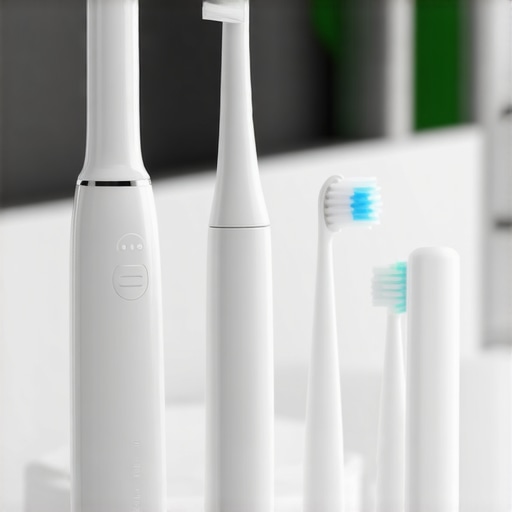
Maintaining excellent oral health over the years requires more than just regular brushing. It involves using the right tools designed for durability, effectiveness, and ease of use. I personally prefer a high-end electric toothbrush like the Philips Sonicare DiamondClean, which offers superior plaque removal and gum care. Its oscillating sonic technology reaches deep between teeth, making daily cleaning more thorough and less time-consuming. Additionally, I incorporate interdental brushes such as the TePe Supreme, which are gentle yet effective at cleaning between teeth—an essential step often overlooked. My choice is based on clinical studies showing interdental brushes outperform floss in some scenarios, especially for those with wider gaps or dental restorations here.
For preventive maintenance, I recommend an antimicrobial mouth rinse like Listerine Total Care, which helps control bacteria that cause plaque and gingivitis. Remember, tools alone can’t ensure long-term success unless used consistently and correctly. Keeping my tools in good condition—regularly replacing brush heads and ensuring interdental brushes are clean—is part of my routine.
Embracing Smart Technology for Future-Proof Smiles
Looking ahead, the trend towards smart dental devices is truly exciting. Digital monitoring systems such as smart toothbrushes now sync with smartphone apps to provide real-time feedback and personalized tips. This integration helps catch problems early and encourages better habits. As an advocate of continuous improvement, I plan to incorporate these gadgets into my routine, trusting that they will become standard for maintaining oral health in the coming years.
How do I maintain long-term oral health through my tools?
Consistency and proper care of your tools make all the difference. Regularly replacing consumables like toothbrush heads and interdental brushes ensures optimal performance. Also, staying updated with new technology—like laser-guided cleaning systems—can make your routine more efficient and less invasive. Remember, a combination of reliable tools and disciplined habits form the foundation for a bright, healthy smile that lasts.
If you’re interested in upgrading your cleaning arsenal, give a high-quality electric toothbrush a try today. Pair it with interdental brushes and an antibacterial rinse, and you’ll be well on your way. For guidance on integrating these tools seamlessly, visit this resource.
Lessons That Changed My Approach to Children’s Oral Health
One of the biggest realizations I had was how subtle early signs of crooked teeth can be and how easily we overlook them. I used to think minor irregularities in teeth emergence were nothing to worry about, but I learned that catching these signs early can make a real difference in treatment options and outcomes.
Another lightbulb moment was recognizing that my daily routine plays a crucial role in preventing or minimizing misalignments. Small habits like proper brushing, monitoring tongue posture, and encouraging healthy biting habits can have lasting impacts on my child’s smile development.
Lastly, I discovered that being proactive and observant saves time and money. Regularly inspecting teeth and jaw development, along with seeking guidance from a family dentist, helps prevent complex orthodontic procedures in the future.
Tools & Resources That Elevated My Parenting Game in Oral Health
I found that using a high-quality electric toothbrush, such as the Philips Sonicare DiamondClean, significantly improves plaque control and gum health. Pairing it with interdental brushes like TePe Supreme levels up daily cleaning, especially when monitoring real-time progress through smart toothbrush features. For habit tracking, taking periodic photographs of my child’s teeth provided visual evidence of shifts or irregularities over time, making it easier to discuss concerns with the dentist.
Books like The Ultimate Guide to Teeth Cleaning became trusted references, offering proven techniques and insights I could incorporate into our routine. Staying informed about recent innovations in family dentistry, such as laser sealants or bio-mineral treatments, opened my eyes to potential preventive options that suit my child’s needs.
Ignite Your Confidence in Maintaining Your Child’s Smile
Your awareness and habits can set the foundation for a lifetime of healthy smiles. Trust your observations, leverage effective tools, and seek professional advice when needed. Remember, early detection not only saves money but also builds your confidence in managing your child’s oral health proactively. Are you ready to become your child’s best advocate for a confident, healthy smile? Share your experiences below and let’s learn together.
Comments are closed.