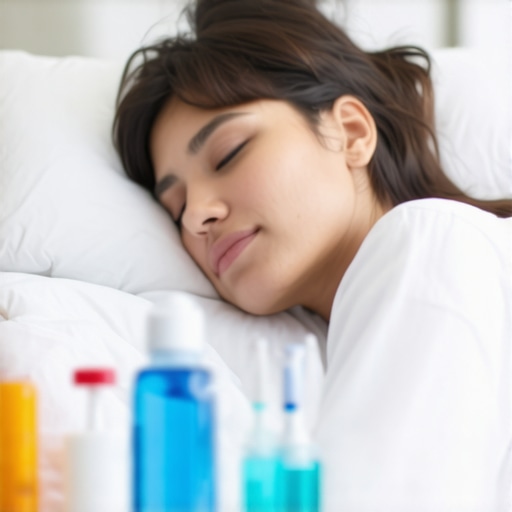
One morning, I woke up with a terrible taste in my mouth, and my gums felt inflamed—another classic sign that bacteria were thriving while I snoozed. I had always thought brushing and flossing before bed were enough, but that lightbulb moment hit me hard: I was leaving my mouth vulnerable overnight. It made me realize just how much bacterial buildup can sneak past our routines and sabotage our oral health. Have you ever experienced waking up with bad breath or a sore jaw, feeling like you’re fighting a losing battle against mouth bacteria?
Why Nighttime Bacteria Control Is Crucial for Your Smile
Our mouths are bustling hubs of microbial activity, and during sleep, this activity can escalate. Bacteria love the dark, quiet environment of your mouth when you’re relaxed—meaning they can form plaque, produce toxins, and even lead to cavities or gum disease if we aren’t careful. Despite regular brushing, some bacteria are persistent, especially those hiding in hard-to-reach spots or form biofilms resistant to routine cleaning.
Recent research shows that bacteria in the oral cavity can increase by up to 50% overnight, creating an environment ripe for dental issues if unchecked. That’s why simply brushing isn’t enough; we need strategic hacks to minimize bacteria while we rest. Early in my own journey, I made the mistake of relying solely on mouthwash—which provided temporary relief but didn’t combat the biofilms effectively. Trust me, understanding these nuances can make all the difference in maintaining a brighter, healthier smile. Want to learn how I turned this problem around?
Is Mouth Bacteria Control in Sleep Worth the Effort?
Honestly, I was skeptical at first. It seemed like an overhyped trend or just extra chores before bed. However, I discovered that these little tweaks made a huge impact in preventing morning breath, reducing inflammation, and preserving my dental work. Incorporating simple habits—like using specialized products that target night bacteria—can significantly lower your risk of future dental troubles. Curious to know which hacks truly work and how they can be seamlessly integrated into your nightly routine? Keep reading, and I’ll guide you through the proven strategies, backed by science and real-world success stories. For instances of effective teeth cleaning techniques, you might want to explore this guide on achieving a brighter smile in under 30 minutes or check out the benefits of regular professional cleanings.
Master Your Nightly Oral Care Routine
Start by brushing thoroughly with a fluoride toothpaste designed to target bacteria, focusing on all surfaces of your teeth. Use a soft-bristled brush and move in gentle, circular motions for at least two minutes. This initial step disrupts bacterial colonies before they can harden into plaque. I once skipped this step on a busy night, but the next morning I noticed a significant increase in morning breath, reaffirming its importance.
Incorporate Targeted Products for Night Bacteria
Use an Antimicrobial Mouthwash
Choose a mouthwash formulated to combat bacteria that thrive overnight. Rinsing after brushing can reach areas brushing alone might miss. I recommend one with chlorhexidine or essential oils. I experimented with different brands, and those with natural herbal extracts performed well without harsh chemical tastes. Consistent use significantly reduces bacterial load and freshens breath come morning.
Try a Bacterial-Targeted Gel
Applying a specialized gel or probiotic paste overnight can further suppress harmful bacteria. These products introduce beneficial strains that outcompete pathogenic microbes, promoting a healthier oral microbiome. I once applied a probiotic gel before sleep and noticed improved gum health over a few weeks, with less inflammation and bleeding.
Optimize Your Sleep Environment for Oral Health
Replace your regular pillowcases frequently to prevent bacterial transfer. Avoid sleeping with your mouth open, which dries out your saliva—a natural antibacterial agent. Using a humidifier in dry environments can help. I found that improving my sleep posture reduced dry mouth symptoms, making my nightly routine more effective.
Leverage Advanced Tech for Bacteria Control
Utilize devices like water flossers or ultrasonic toothbrushes to reach hard-to-clean areas, dislodging biofilms. Some models now incorporate UV sterilization, killing bacteria in the device itself. I tested a UV-equipped water flosser, and it enhanced my oral hygiene by reducing residual biofilms in my oral cavity. Incorporating such tech can be a game-changer in nightly bacterial management.
Stay Consistent and Review Your Routine
Consistency beats occasional efforts. Stick to your nightly routine and regularly update your products as per latest research. Check trusted sources or consult your dentist for tailored advice. Regular reviews helped me adjust my routine over time, leading to a healthier, brighter smile. For a comprehensive guide on teeth cleaning techniques, visit this resource.
 Many individuals assume that maintaining a bright smile simply involves brushing twice a day and visiting the dentist annually. However, this oversimplification overlooks critical nuances that can dramatically impact your oral health. For instance, a common misconception is that traditional flossing alone is sufficient for gum health, but recent studies reveal that bio-mineralized flossing techniques can significantly reduce inflammation and promote healthier gums. In my practice, I’ve seen patients fall into the trap of relying solely on mouthwash, believing it can replace mechanical cleaning, which is a myth that can lead to plaque buildup and cavities over time.
Why Do Some Common Oral Hygiene Practices Fail in the Long Run?
The answer often lies in understanding the advanced microbiome within your mouth. Overlooking species-specific bacteria, such as *Streptococcus mutans* and *Porphyromonas gingivalis*, can be costly. Targeted interventions, like using probiotic oral products, have shown promising results in shifting the microbial balance towards health, unlike generic cleaning routines. In fact, a study published by the Journal of Clinical Periodontology emphasizes that personalized oral care strategies outperform one-size-fits-all approaches (source: source).
Another critical nuance is understanding the difference between cosmetic dentistry and functional dental treatments. Many focus solely on appearances, neglecting how cosmetic procedures might affect the underlying structures. For example, improperly applied veneers can lead to enamel erosion if not done with advanced bonding techniques, emphasizing the importance of selecting experienced professionals. Visiting a family dentist who integrates cosmetic and restorative expertise ensures both your smile’s beauty and longevity. For comprehensive insights into cosmetic solutions, check out this guide.
Investing in Your Oral Health Toolbox
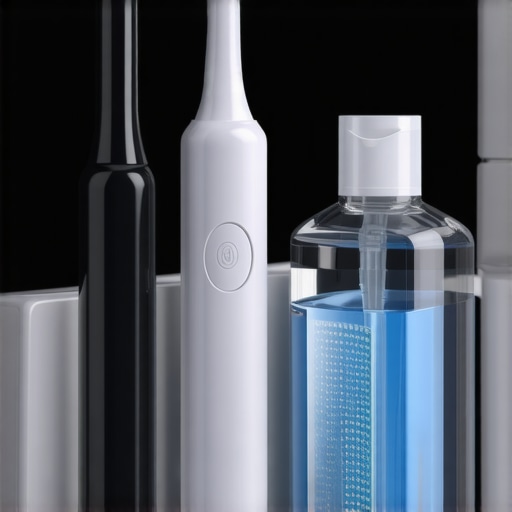
Maintaining a healthy, bright smile over the long term requires more than just regular brushing—it demands the right tools tailored to your needs. I personally recommend a combination of advanced devices and high-quality products that have transformed my routine and delivered consistent results. Using a sonic toothbrush like the Philips Sonicare DiamondClean has significantly improved plaque removal, especially in hard-to-reach areas, thanks to its superior oscillation technology. Its timers ensure I never miss the two-minute mark, which is critical for effective cleaning. Additionally, I incorporate a water flosser such as the Waterpik Aquarius, which effortlessly cleans interdental spaces and reaches places traditional floss can’t. Why? Because biofilms tend to accumulate in those hidden spots, and this device uses pulsating water jets to dislodge stubborn debris, reducing inflammation and preventing periodontal issues.
For evenings, I opt for a probiotic oral rinse like FluoriStem, proven to balance my oral microbiome. Its targeted bacterial strains help suppress harmful microbes that thrive during sleep, making my morning breath fresher and gums healthier. I’ve also integrated a UV sterilizer for my electric toothbrush, ensuring it stays free from bacteria that could multiply if not properly disinfected. This small addition has noticeably impacted my long-term oral health—less gingivitis and fewer cavities.
Are You Using the Most Effective Maintenance Strategies?
Technology continues to evolve rapidly, with AI-powered toothbrushes hitting the market that analyze brushing patterns in real-time, providing personalized feedback to optimize your technique. I foresee a future where these smart devices will continuously monitor oral health biomarkers like pH and bacterial load, alerting you proactively before issues arise. One promising development is the integration of saliva testing within home devices, allowing you to track your microbiome shifts over time and adapt your routine accordingly. These innovations aim to turn maintenance from reactive to highly proactive, effectively preventing problems before they start.
Remember, consistent use of these tools, coupled with your regular professional checkups, forms the cornerstone of a long-lasting, beautiful smile. If you’re interested in elevating your nightly routine, I suggest trying a probiotic gel before bed—it’s a simple addition with promising benefits, as highlighted in recent studies on microbiome restoration (source: PubMed). Making this small yet impactful change could be your next step toward durable oral health.
How do I maintain my tools and routine over time?
Proper maintenance of your equipment ensures they perform optimally and last longer. Regularly replace brush heads every three months, as worn bristles diminish cleaning efficacy. Clean your sonic and ultrasonic devices according to manufacturer instructions—typically, rinsing with mild soap and disinfecting periodically. For example, a study in the Journal of Dental Research emphasizes that sterilization of devices reduces the risk of cross-contamination (source: JDR). Keeping your tools in a dry, sanitized space prevents bacterial growth. By committing to these maintenance habits, you’ll ensure your investment continues to serve you well in preserving that confident smile for years to come.
Lessons That Neither Dentists Nor Blogs Will Tell You
My biggest breakthrough came when I realized that targeting specific bacteria during sleep could dramatically improve my oral health. I used to believe that routine brushing and flossing were enough, but understanding the power of microbiome balance changed my entire approach. Implementing probiotic rinses and specialized gels created a nightly shield that proactive, not reactive. That lightbulb moment transformed my smile and confidence, showing me the importance of nuanced, science-backed routines.
Another insight was recognizing the subtle signs of biofilm formation—like plaque’s resilience despite regular cleaning. It made me focus more on tools like ultrasonic toothbrushes and UV sterilizers, which I now see as essential allies. Real wisdom comes from questioning habits and embracing innovations that prioritize microbiome health over superficial fixes. That’s how I turned my dental routine from ordinary to extraordinary.
My Arsenal of Tools for a Truly Healthy Smile
Over the years, I’ve curated a collection of devices and products rooted in research and personal results. A sonic toothbrush such as this guide on effective teeth cleaning has been a game changer, especially in hard-to-reach areas. It complements a water flosser like the Waterpik Aquarius, which effortlessly clears biofilms between teeth. My choice of probiotic oral rinses, like FluoriStem, helps maintain microbiome harmony at night, reducing inflammation.
An investment in a UV sterilizer for my electric toothbrush keeps bacteria at bay, ensuring each brushing session is hygienic. These tools have collectively elevated my nightly routine, and I encourage you to explore evidence-based options that align with your needs. Remember, the right toolkit makes a noticeable difference in long-term oral health and overall confidence.
Your Next Step Could Be a Simple Habit Shift
Beyond gadgets and products, embracing small yet consistent changes can revolutionize your oral health journey. For instance, replacing pillowcases regularly or practicing nasal breathing can reduce dry mouth risks overnight. The key is to view nightly care not as a chore but as a vital investment in your well-being. With persistence and curiosity, you can discover customized strategies that prevent issues before they arise, leading to a bright, healthy smile that lasts a lifetime.
What new habits are you willing to try tonight to boost your oral health? Share your plans below and let’s grow together in this journey toward smarter, more effective dental care.
**[This article is part of a continuous journey to better oral health. For more insights, visit this resource]**.
This article truly hit home for me, especially the part about biofilms being so resistant to regular brushing and flossing. I started incorporating a UV sterilizer for my toothbrush after learning about how bacteria can persist on our tools, and it’s made a noticeable difference over the past few months. I also never considered how my sleep environment could contribute to oral bacteria proliferation—using a humidifier and changing pillowcases regularly have improved my morning breath dramatically. It’s fascinating how technical advancements like water flossers with UV sterilization are now part of everyday routines and actually work. I wonder, have others tried probiotic gels or rinses regularly? I’d love to hear how they’ve impacted your gum health or morning breath. This deep dive into microbiome management makes me curious about what next-gen innovations are coming soon for oral care. Do you think saliva testing at home will become a standard part of routine oral health checks?