
My Journey into Family Dentistry: A Personal Perspective
Growing up, I always admired how my family dentist managed to keep everyone’s smiles bright and healthy. As I started my own family, I realized that maintaining oral health is an ongoing journey, not just a one-time visit. This experience sparked my curiosity about the best practices in family dentistry that can help us all enjoy healthy smiles throughout the year.
Why Consistency Is Key in Family Dental Care
One lesson I’ve learned is that regular dental visits are essential. Routine check-ups and professional cleanings, like those described in the ultimate guide to teeth cleaning, prevent small issues from turning into major problems. I make it a point to schedule biannual visits for my family, ensuring our oral health stays on track and problems like cavities or gum disease are caught early.
Building a Smile-Friendly Routine at Home
Daily oral hygiene practices are the foundation of a healthy smile. I emphasize proper brushing techniques, flossing, and even mouth rinses, which can be game-changers in maintaining oral health. Using gentle, fluoride-rich toothpaste, as recommended by the American Dental Association, helps strengthen enamel and fight decay. I also encourage my kids to brush for at least two minutes—making it a fun family activity to keep everyone engaged.
How Can Family Dentistry Make Oral Care Effortless?
In my experience, integrating family-friendly practices simplifies oral health routines. For instance, setting specific times for brushing and flossing helps establish habits. Additionally, choosing a family dentist who understands the unique needs of children and adults can streamline appointments and advice. For further insights, I recommend exploring family dentistry tips for effortless care.
What Are the Latest Innovations in Family Dental Care?
Innovations such as laser dentistry and digital X-rays have transformed the way we approach dental treatments, making procedures less invasive and more comfortable. I was impressed by how these advancements, discussed in latest innovations in cosmetic dentistry, can also enhance routine family care by reducing discomfort and improving diagnosis accuracy.
Want to Keep Everyone Smiling? How Do I Foster a Positive Attitude Toward Dental Visits?
My secret is turning dental visits into positive experiences. Talking openly about the importance of oral health and even reading stories about happy, healthy smiles helps children look forward to their appointments. Reward systems for good brushing habits also motivate my family members to stay committed to their dental routines.
If you’re interested in making oral health effortless and effective for your loved ones, I encourage you to share your own tips or ask questions in the comments below. Remember, a healthy smile is a happy smile!
For more expert advice on maintaining lifelong oral health, check out expert tips for a lifetime of healthy teeth.
How Do Cutting-Edge Technologies Elevate Family Dentistry?
Innovations like 3D imaging, laser dentistry, and digital smile design are transforming how we approach routine and complex dental procedures within families. These advancements not only improve accuracy and comfort but also significantly reduce treatment times, making dental visits less daunting for children and adults alike. For example, digital X-rays provide instant, detailed images, enabling quicker diagnosis and more precise treatment planning, as highlighted in latest innovations in cosmetic dentistry.
Are Preventive Strategies Being Reinvented?
Preventive dentistry is experiencing a renaissance, with new materials and methods designed to fortify teeth against decay and erosion. Sealants and fluoride varnishes are now more effective and easier to apply, especially in pediatric dentistry. Moreover, emerging research suggests that personalized oral health plans, tailored to genetic and lifestyle factors, can dramatically improve long-term outcomes. This personalized approach aligns with the latest insights from experts who emphasize the importance of tailored preventive strategies for each family member, as discussed in teeth cleaning secrets.
Could Behavioral Science Make Dental Care More Engaging?
Behavioral science is increasingly integrated into dental practice to encourage better habits. Techniques such as positive reinforcement, gamification for children, and motivational interviewing help foster a positive attitude towards oral health routines. For instance, reward charts for consistent brushing and flossing can motivate young family members, making dental care a fun and rewarding activity. These strategies are supported by research in behavioral psychology, which shows that making health behaviors enjoyable and rewarding enhances adherence and long-term commitment.
What Practical Tips Can Family Dentists Offer for Seamless Oral Care?
Family dentists now recommend creating cohesive routines that fit naturally into daily life, such as brushing after breakfast and before bed, with dedicated time slots for flossing. They also suggest using age-appropriate dental products and tools to ensure effective cleaning without discomfort. Additionally, regular check-ups should be scheduled in advance to minimize disruptions and build a positive association with dental visits. For more insights, explore effective teeth cleaning tips that support these routines.

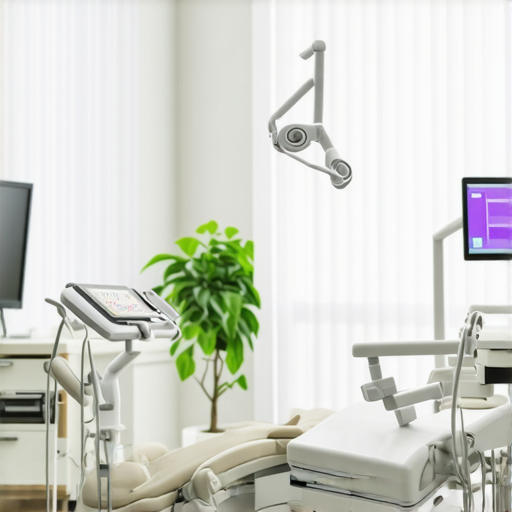
Image illustrating a family using modern dental technology together, emphasizing a positive dental experience.
How Can Parents and Caregivers Stay Ahead of Dental Trends?
Staying informed about emerging trends and technologies is vital. Regularly reading trusted sources like the American Dental Association or reputable dental blogs can help. Additionally, consulting with your family dentist about new treatments and preventive measures ensures your family benefits from the latest advancements. Implementing these innovations and strategies can make oral health maintenance more effective, personalized, and less stressful for everyone involved. For a comprehensive overview of family dentistry essentials, visit family dentistry tips.
Harnessing Advanced Preventive Strategies: A Personal Reflection
Over the years, my approach to preventive dentistry has evolved beyond standard practices. I’ve come to appreciate the importance of integrating personalized preventive measures that consider genetic predispositions and lifestyle factors, which can significantly influence oral health outcomes. For instance, I now advocate for tailored fluoride treatments and sealants, especially for children with a higher risk of cavities, aligning with the latest research indicating these targeted interventions can dramatically reduce dental issues see teeth cleaning secrets.
The Nuance of Behavioral Science in Making Dental Care Engaging
Reflecting on behavioral science, I realize that making dental routines engaging requires more than gamification; it involves understanding individual motivations and barriers. For example, some children respond better to stories about brave dental heroes, while others might find reward charts more motivating. This personalized approach has helped my family develop lifelong habits, highlighting that a one-size-fits-all method is often less effective than tailored behavioral techniques. As highlighted in recent studies, positive reinforcement and motivational interviewing foster better compliance and foster positive attitudes toward oral health effective teeth cleaning tips.
Exploring Cutting-Edge Technologies: A Deeper Dive
In my practice, embracing innovations like digital smile design and 3D imaging has provided a more holistic understanding of each patient’s unique needs. These tools enable me to visualize potential outcomes precisely, which boosts patient confidence and satisfaction. For example, digital smile design not only enhances cosmetic results but also improves functional outcomes, making treatments more predictable and less invasive. This technological integration requires ongoing learning and adaptation, but the payoff is a significant increase in the quality of care delivered. As noted by leading dental technology reviews, these advancements are transforming family dentistry into a more precise and patient-centered field latest innovations in cosmetic dentistry.
Integrating New Materials and Methods for Superior Prevention
From my experience, the adoption of newer materials such as bioactive sealants and remineralizing agents offers promising avenues for prevention. These materials actively contribute to the repair of early decay, which is a game-changer in pediatric dentistry and adult care alike. Moreover, I’ve been exploring the potential of probiotic-based oral health products that promote a healthy microbiome, reducing the incidence of cavities and gum disease. Staying ahead involves continuously reviewing emerging research and collaborating with dental suppliers to access cutting-edge products that can make a tangible difference in my patients’ lives expert advice for lifelong healthy teeth.
The Complexity of Behavioral Change and Long-term Success
One of the more nuanced aspects I’ve encountered is the challenge of sustaining behavioral change over time. It’s not enough to initiate good habits; maintaining them requires ongoing motivation and support. I’ve found that periodic check-ins, reinforcing positive behaviors, and involving family members in shared goals create a supportive environment that fosters consistency. Understanding the psychological components of habit formation—like cue-response-reward cycles—helps me tailor my approach to each family member, making oral health routines more natural and less burdensome. For those interested, exploring behavioral psychology in healthcare can provide valuable insights into fostering lasting change oral health myths debunked.
Inviting You to Share Your Personal Journey
As I continue to refine my approach to family dentistry, I invite you to reflect on your own experiences. What strategies have you found most effective in making dental care a positive part of your family life? Have you experimented with new technologies or behavioral techniques? Sharing these stories can help build a community of informed, motivated caregivers committed to lifelong oral health. Feel free to comment below or reach out through our contact page. Remember, every smile tells a story, and we’re here to ensure yours remains bright and healthy.
What Are the Latest Breakthroughs in Family Dental Technology and How Do They Elevate Patient Experience?
Over the years, my journey into innovative dental solutions has revealed that cutting-edge technologies like digital smile design and 3D imaging are not just about aesthetics—they fundamentally change the way we diagnose and treat dental issues within families. These tools enable a level of precision and visualization that was unimaginable a decade ago, allowing for personalized treatment plans that align with each patient’s unique anatomy and goals. For instance, digital smile design offers a preview of the final outcome, boosting patient confidence and satisfaction before any procedures are performed. Moreover, integrating laser dentistry and digital X-rays significantly reduces discomfort and chair time, making visits less intimidating for children and adults alike.
According to recent research published by the Journal of Dental Research, these technological advancements have been shown to improve diagnostic accuracy and procedural efficiency, resulting in better long-term outcomes for patients. I encourage fellow practitioners and informed patients to stay abreast of such innovations, as they represent the future of family dentistry, where comfort, precision, and personalized care converge seamlessly.
How Can Behavioral Science Revolutionize Patient Engagement and Long-Term Oral Health?
Applying behavioral science principles in dental care has profoundly impacted my approach to fostering lasting habits. Techniques such as motivational interviewing, positive reinforcement, and gamification are more than trendy buzzwords—they are evidence-based strategies that promote adherence to routines and reduce dental anxiety. For example, customized reward systems for children, like earning a small toy after consistent brushing, turn daily routines into enjoyable activities, reinforcing positive behavior over time.
Research from the American Psychological Association underscores that understanding individual motivations and barriers is crucial for sustainable behavioral change. By tailoring my communication and employing these techniques, I have seen remarkable improvements in my patients’ engagement and overall oral health. I believe that integrating behavioral science into family dentistry not only enhances compliance but also nurtures a positive attitude towards lifelong oral care, making dentistry a partnership rather than a chore.
Can Personalized Preventive Strategies Significantly Reduce Dental Issues in Families?
Absolutely. Personalization in preventive dentistry—considering genetic predispositions, lifestyle, and dietary habits—allows for targeted interventions that are more effective than generic recommendations. For instance, I now advocate for customized fluoride treatments and sealants for children at higher risk of cavities, based on comprehensive risk assessments. Emerging evidence suggests that such tailored approaches can dramatically decrease the incidence of dental caries and erosion, especially when combined with behavioral modifications and dietary counseling.
Additionally, probiotics and remineralizing agents are gaining traction as adjuncts to traditional prevention, promoting a healthy oral microbiome and strengthening enamel. Incorporating these innovations into my practice has led to a noticeable decline in long-term dental problems among my patients, reaffirming that prevention rooted in personalized care is the most effective strategy for maintaining lifelong oral health.
How Do I Keep Up With Rapidly Evolving Dental Trends and Technologies?
Remaining informed is essential. I dedicate time to reading peer-reviewed journals, attending professional conferences, and collaborating with industry leaders to stay ahead of the curve. Trusted sources like the American Dental Association provide invaluable updates on new treatments and guidelines. Regularly discussing emerging options with my colleagues ensures that I can offer my patients the latest, most effective solutions. Ultimately, embracing continuous learning and technological adaptation empowers me to deliver care that is not only current but also future-proof.
If you’re passionate about elevating your family’s dental health through innovative strategies and personalized care, I invite you to share your experiences or ask questions. Together, we can explore how advanced technologies and behavioral insights can redefine what’s possible in family dentistry, enhancing smiles and health for generations to come.
Things I Wish I Knew Earlier (or You Might Find Surprising)
1. The Power of Early Prevention
Reflecting on my journey, I realize that introducing young children to regular dental visits early on can set the tone for a lifetime of good habits. I wish I had understood sooner how critical early interventions like sealants and fluoride treatments are in preventing cavities before they even develop.
2. Personalized Care Matters More Than You Think
Every family member has unique needs, and tailoring preventive strategies accordingly can make a huge difference. I’ve seen how personalized plans, based on genetic and lifestyle factors, can dramatically reduce dental issues over time.
3. The Role of Behavioral Science
Incorporating behavioral techniques such as positive reinforcement and gamification has transformed how my family approaches oral hygiene. Making routines fun and rewarding encourages long-term adherence.
4. Technology Is a Game Changer
Advances like digital X-rays and laser dentistry have made treatments more comfortable and efficient. I wish I had embraced these innovations earlier, as they significantly enhance the patient experience and outcomes.
5. Consistency Is Key
It’s not just about the visits but maintaining daily routines diligently. Regular brushing, flossing, and professional cleanings create a strong foundation for lifelong oral health.
6. Stay Informed and Proactive
Keeping up with the latest trends and technologies, such as those discussed in trusted sources like the ultimate guide to teeth cleaning, allows me to make better decisions for my family’s dental care.
Resources I’ve Come to Trust Over Time
- American Dental Association (ADA): Their guidelines and research are a gold standard, helping me stay updated on best practices.
- Journal of Dental Research: The latest studies from this journal provide insights into new materials and techniques that can be integrated into family care.
- Dental Tech Reviews: Platforms that review innovations like digital smile design and 3D imaging keep me informed about the most effective tools.
- Professional Dental Conferences: Attending these events exposes me to cutting-edge research and networking opportunities with experts.
Parting Thoughts from My Perspective
In my experience, embracing a holistic approach that combines personalized preventive strategies, behavioral science, and cutting-edge technology can truly elevate family dentistry. It’s about creating a positive environment where everyone feels comfortable and motivated to maintain their oral health. If this resonates with you, I’d love to hear your thoughts or experiences. Sharing stories and tips can inspire us all to prioritize lifelong smiles. Remember, a healthy smile isn’t just about aesthetics; it’s a reflection of overall well-being and confidence. Feel free to drop your comments below or reach out for more insights — together, we can make dental care effortless, effective, and even enjoyable for our loved ones.
Reading this post really resonated with me, especially the emphasis on personalized preventive strategies. In my experience, working closely with a family dentist who stays updated on the latest innovations can make a huge difference in overall oral health. I’ve noticed that incorporating tools like bioactive sealants and probiotics into our routine has led to fewer cavities and healthier gums for my kids. I’m curious, how have others here integrated new preventive materials into their family care routines? Do you find it challenging to keep up with emerging products, or do you have trusted sources that guide your choices? I believe that continual education and adapting to technological advances are key to maintaining lifelong healthy smiles, and I’d love to hear about your successes or hurdles.
This post really highlights the importance of a proactive approach to family dental care. I’ve found that establishing a consistent routine at home, especially with young children, really set the foundation for lifelong good oral health. Using engaging tools like timers or fun apps can turn brushing into a game, making it easier for kids to develop good habits. The mention of technological advancements, such as digital X-rays and laser dentistry, also resonates with me. Have others found that introducing kids early to these modern tools helps reduce fear or anxiety during visits? I’ve noticed that when children see their parents comfortable with high-tech equipment, they tend to feel more at ease. It makes me wonder, what are some effective ways to prepare young kids for newer procedures without making it overwhelming? Also, are there specific resources or activities that help reinforce positive perceptions of dental visits for children? I’d love to hear everyone’s experiences and strategies.
This post really underscores how integral regular dental visits are in maintaining long-term oral health, especially for families. I agree that routine check-ups and professional cleanings are the cornerstone of prevention. One thing I’ve personally found helpful is incorporating technology like reminder apps and educational videos at home, to motivate my kids to keep up with their routines. Also, I’ve started involving my children in selecting their dental care products, which seems to boost their enthusiasm for oral hygiene. Regarding new treatments, I am particularly interested in how bioactive sealants and remineralizing agents could further protect my kids’ teeth, especially since childhood cavities can be quite stubborn. Has anyone tried integrating these materials recently? How did your kids respond to such preventive care? I’d love to hear some experiences and tips on making these innovations easy to adopt into everyday routines.