It was a morning much like any other when I caught a glimpse of my reflection and suddenly realized—I wasn’t taking my dental care seriously enough. A quick glance told me that my toothbrush was half-heartedly tossed in the corner, and that stubborn plaque buildup was silently sneaking in. That moment hit hard. I knew I needed a change, not just for a brighter smile but for my health’s sake. Have you ever felt that uncomfortable knot in your stomach when you realize your dental routine isn’t as effective as it could be? Well, you’re not alone.
Why Proper Teeth Cleaning Matters More Than You Think
Good oral hygiene isn’t just about having a smile that turns heads; it’s a cornerstone of overall health. When I overlooked consistent and effective cleaning techniques, I noticed more than just yellowing teeth—I experienced bad breath, occasional gum bleeding, and even a few cavities. Turns out, these issues are often signs that your routine isn’t cutting it. According to recent studies, gum disease has been linked to heart disease and diabetes, making it clear that neglecting your teeth can impact your entire body. Want to avoid costly dental treatments and stay healthy? A solid cleaning strategy is your best bet. You might think brushing and flossing are enough, but there’s more to the story. For a full picture, I recommend looking into [the ultimate guide to teeth cleaning techniques and benefits](https://gentlesmiledentist.com/the-ultimate-guide-to-teeth-cleaning-techniques-and-benefits).
Is the Hype About Deep Cleaning Actually Worth It?
Early on, I believed that scrubbing my teeth vigorously would do the trick. Spoiler alert—it’s a mistake many make. Overly aggressive brushing can wear down enamel and cause gum recession. My lightbulb moment came when I learned that proper technique matters just as much as frequency. It’s tempting to think that more brushing equals cleaner teeth, but better technique and regular professional cleanings make all the difference. Trust me, I’ve been there. For expert advice on mastering your cleaning routine, visit [how regular teeth cleaning can prevent major dental issues](https://gentlesmiledentist.com/how-regular-teeth-cleaning-can-prevent-major-dental-issues). The key is consistency with the right methods—something I wish I had prioritized earlier. With just a few adjustments, I found my smile brighter and my dental visits smoother. And now, I want to help you do the same. Stay tuned for practical tips on perfecting your routine and maintaining a healthy, radiant smile for years to come.
Mastering Your Brushing Technique
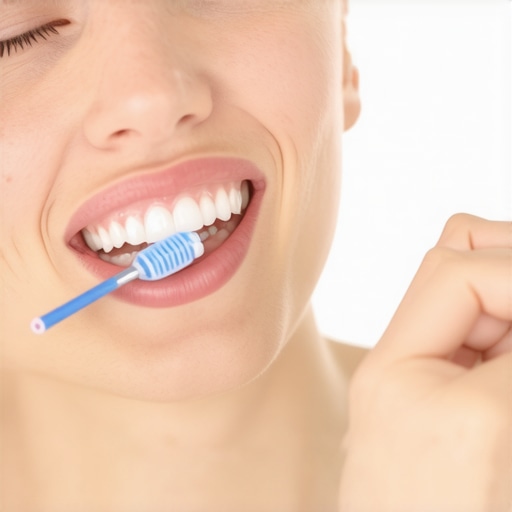
Imagine trying to scrub a stubborn stain off a wall with a tiny brush—it’s inefficient and frustrating. I once struggled with vigorous brushing, trying to be thorough, but I was actually harming my gums. To improve, I learned to hold my toothbrush at a 45-degree angle toward the gums and use gentle circular motions, akin to polishing a fine piece of furniture. This method effectively removes plaque without damaging tissue. When I practiced this, I noticed less gum irritation and a cleaner feeling after brushing. Remember, speed isn’t the goal; precision and gentle action are key to brushing success.
Choose the Right Brush and Paste
My first mistake was using an old, stiff-bristled brush. Switching to a soft-bristled toothbrush became a game-changer. It’s like replacing rough sandpaper with velvet—it glides smoothly and cleans thoroughly. Pair it with a fluoride toothpaste that suits your needs—whitening, sensitivity, or cavity protection—and you add an extra layer of defense. I tried several brands before finding one that felt comfortable and cleaned effectively, much like finding the right tool makes any task easier. Regularly replacing your toothbrush every three months ensures the bristles stay effective, much like changing worn-out brush heads on power tools.
Perfecting Flossing Sessions
Initially, flossing felt like a chore, and I often skipped it. But once I saw how flossing dislodges debris stuck between teeth, I committed. Think of flossing as sweeping a hallway—if you neglect it, dirt just piles up. I used to swipe the floss quickly, but then I adopted a gentle ZigZag motion, hugging the sides of each tooth like a protective barrier. This technique removed plaque more effectively and prevented gum bleeding. Consistency is vital—floss daily, and it becomes a quick, effortless part of your routine, much like warming up before exercise.
Optimizing Mouthwash Usage
Mouthwash was an afterthought for me—until I realized its importance. Using an antibacterial rinse after brushing and flossing is like applying a sealant after painting—it locks in cleanliness and reduces bacteria. I prefer a bottle with fluoride and no alcohol; it’s gentler and leaves my mouth feeling fresh without dryness. Swish for a full 30 seconds, making sure to reach every corner, much like rinsing a sponge thoroughly. This step boosts overall oral health, especially in hard-to-reach areas.
Scheduling Regular Dental Visits
Skipping dentist appointments was something I used to do—until small cavities turned into bigger issues. During my first professional cleaning, the hygienist used special tools to remove tartar that my home routines missed, much like a gardener pruning overgrown branches. Regular visits, ideally every six months, prevent minor issues from escalating and keep your smile at its best. It’s not about only visiting the dentist when pain strikes but about proactive care, similar to regular oil changes for your car that keep it running smoothly.
The Role of Family Dentistry in Sustaining Your Smile
Getting everyone in the family involved simplifies maintaining oral health. Establishing routines that include children and seniors ensures each person’s unique needs are addressed. For example, I took my kids to a family dentistry practice, which made dental visits less intimidating and more educative for them—think of it as building a solid foundation for a house. This approach reduces cavities at all ages and instills lifelong habits, making dental care a shared responsibility and a bonding experience. To learn more about creating a comprehensive family oral health strategy, check out family dentistry essentials.Many assume that brushing a couple of times a day and occasional flossing suffice for optimal oral health, but the truth is more nuanced. A prevalent myth is that whitening treatments alone can fix long-term discoloration or dental issues, leading many to overlook foundational practices like proper brushing and regular checkups. In my experience, neglecting these basics can be costly, yet many still fall into this trap. For instance, some believe that frequent use of whitening products weakens enamel; however, scientific studies confirm that using certified products as directed doesn’t compromise tooth strength but overzealous use can cause sensitivity—a nuance often missed in popular discourse. Moreover, there’s a common misconception that family dentistry is only necessary when problems arise, but proactive, routine visits detect issues early, preventing complex procedures later.
Is there a downside to chasing cosmetic fixes without addressing underlying health?
Advanced practitioners understand that cosmetic procedures should complement, not replace, solid oral health habits. Overemphasis on veneers or whitening can overshadow the importance of maintaining natural tooth integrity. For comprehensive insights, you might find it beneficial to review how cosmetic dentistry is evolving in 2025. An often-overlooked mistake is delaying professional cleanings, thinking daily brushing is enough. Yet, plaque and tartar removal are best handled by dental professionals using specialized tools—think of it as a deeper clean your mouth can’t achieve alone. Skipping these steps increases the risk of periodontal disease, which research links to systemic illnesses like diabetes and cardiovascular problems. I’ve seen many neglect routine checkups until pain or decay appears, but early intervention is always more effective and less invasive. How many times have we avoided the dentist only to face bigger issues later? Keep in mind the importance of integrating family dentistry into your health routine, ensuring all ages in your household benefit from expert guidance to build lasting habits, as discussed in this comprehensive guide. Remember, effective oral health isn’t about quick fixes but establishing consistent, informed routines that serve your long-term well-being. Have you ever fallen into this trap? Let me know in the comments.Achieving and maintaining a healthy, radiant smile requires more than just good habits; it depends on having the right tools and a consistent maintenance routine. As I’ve deepened my understanding of oral care, I’ve discovered that investing in high-quality equipment and understanding how to use it correctly can make a significant difference in long-term results. For instance, I personally swear by using a sonic toothbrush like the Philips Sonicare DiamondClean. Its oscillating and pulsating movements effectively dislodge plaque compared to manual brushing, which I used to find less efficient, especially in hard-to-reach areas. The real advantage, however, lies in its built-in timers that ensure I brush the recommended two minutes without over or under-doing it. Regular use of a device like this has allowed me to notice fewer plaque build-ups over time, reducing my visits to the hygienist and simplifying my routine. Additionally, I rely on water flossers such as the Waterpik Ultra, which are not only more comfortable for me, but also proven to be more effective at plaque removal in hard-to-reach spots than traditional floss. Scientific research supports this, showing that water flossers can reduce bleeding and gingivitis more consistently. It’s essential to choose tools aligned with your specific needs—sensitive gums or orthodontic appliances, for example, require tailored solutions. Looking ahead, I predict that advancements in AI-powered oral health devices will soon become commonplace, offering personalized cleaning strategies and real-time feedback via smartphone apps, much like conservative trends seen in other health tech sectors. So, how do I keep these tools working effectively over time? Regular replacement and proper cleaning are key. Sonic toothbrush heads should be replaced every three months—similar to replacing the brush heads of a power tool—ensuring optimal cleaning efficiency. Likewise, water flosser tips need periodic swapping to prevent bacteria build-up, which can be counterproductive. Beyond equipment, maintenance also involves periodic professional checkups, ideally scheduled at least twice a year. During these visits, techniques like tartar removal and deep cleaning are performed with precision tools, maximizing the benefits of your daily routines. If you haven’t integrated devices like sonic toothbrushes or water flossers into your routine yet, I highly recommend trying one over the next month. They make consistent maintenance easier and more effective, which is crucial for long-term success. For comprehensive guidance on how to choose the right tools and maintain them, visit [the ultimate guide to teeth cleaning techniques and benefits](https://gentlesmiledentist.com/the-ultimate-guide-to-teeth-cleaning-techniques-and-benefits). Remember, the quality of your tools directly impacts your results, so investing wisely now can save you discomfort and expense later. Keep your equipment in top shape, and you’ll be confident that your smile remains its brightest and healthiest for years to come.
Uncovering Hidden Lessons in Oral Hygiene
Reflecting on my journey through dental care, I realize that many of the most impactful lessons came from mistakes and surprises—like discovering that aggressive brushing can harm your gums or that water flossers outperform traditional floss in hard-to-reach areas. These insights transformed my routine and could do the same for you. For example, I once believed that more frequent professional cleanings were unnecessary—until a small cavity turned into a bigger, more costly issue. Now, I see that regular visits are the backbone of lasting oral health.
Tools That Made Me a Smile Enthusiast
Investing in quality tools like a sonic toothbrush and water flosser was a game-changer. Not only did these devices boost my confidence, but they also simplified daily routines and improved my overall health. I trust brands like Philips Sonicare because their technology truly delivers visible results. When choosing tools, look for features that fit your specific needs—whether you have sensitive gums, orthodontic appliances, or simply want efficient cleaning. Staying proactive with proper maintenance of these tools ensures your investment continues paying off.
Embracing the Power of Prevention
One of the most valuable truths I discovered falls under the category of prevention over cure. Routine brushing, flossing, and professional checkups aren’t just chores—they’re your best shields against complex problems later. The sooner you integrate these habits, the less likely you’ll face painful, expensive dental procedures. Remember, your smile is a reflection of your overall health, and nurturing it daily creates a ripple effect that benefits your entire body.
Curated Gems for Lifelong Oral Wellness
Here are some resources that have shaped my understanding and habits around oral health:
- My go-to [comprehensive guide to teeth cleaning techniques](https://gentlesmiledentist.com/the-ultimate-guide-to-teeth-cleaning-techniques-and-benefits) offers detailed instructions that elevate your routine.
- For debunking common myths, [the oral health myths in 2025](https://gentlesmiledentist.com/oral-health-myths-debunked-what-you-need-to-know-in-2025) provide clarity on what’s fact and what’s fiction.
- If you’re curious about family dentistry, [building a foundation of healthy smiles](https://gentlesmiledentist.com/family-dentistry-building-a-foundation-of-healthy-smiles-for-all-ages) has practical tips for every age.
- And for futuristic tools, [cosmetic dentistry innovations in 2025](https://gentlesmiledentist.com/transform-your-smile-the-impact-of-cosmetic-dentistry-in-2025) showcase emerging techniques that make a difference.
Take Charge of Your Oral Future Today
Every smile tells a story—make yours one of health, confidence, and resilience. Starting small, with the right tools and habits, can lead to extraordinary results over time. Remember, your commitment today influences tomorrow’s smile. Are you ready to step into a brighter, healthier future for your teeth? Share your thoughts or questions below—I love hearing about your journey toward dental wellness.
This post really resonated with me, especially the emphasis on proper technique and the importance of choosing the right tools. I used to think that simply brushing for a couple of minutes was enough, but I realized that how I brush makes all the difference after switching to a sonic toothbrush. It’s incredible how much more efficiently it removes plaque with less effort and gum irritation. I’ve also started incorporating water flossers into my routine, and I genuinely feel the difference compared to traditional flossing. I wonder, for those with sensitive gums, what are some of the best tools or techniques to prevent discomfort while maintaining a thorough cleaning? I believe that understanding and investing in the right equipment, combined with regular professional visits, is key to maintaining long-term oral health. How has everyone here adjusted their routines based on these insights? Would love to hear your experiences on avoiding common pitfalls when upgrading your dental hygiene habits.