I remember the moment clearly—the mirror reflecting my tired, dull smile, and a sudden realization hit me: I wasn’t taking my dental routine seriously enough. Despite brushing regularly, my teeth lacked the sparkle I desperately wanted. That lightbulb moment made me question everything I knew about oral care, leading me down a journey to discover proven strategies to achieve a brighter, healthier smile.
Why Bright Smiles Start with Simple Steps
Maintaining a radiant smile might seem like a daunting task, but it often boils down to consistent, effective habits. When I first tried over-the-counter whitening products, I was disappointed—my expectations were high, but the results fell flat. It wasn’t until I learned about proper brushing techniques and professional cleaning that I saw a real difference. Interestingly, according to recent studies, maintaining regular professional teeth cleanings can prevent up to 80% of common dental issues, paving the way for a brighter smile that lasts.
Ever Wondered If Whitening Treatments Are Truly Worth It?
Early on, I made the mistake of thinking that all whitening methods are the same—only to realize that some can do more harm than good if not chosen carefully. There’s a lot of hype around ‘quick fixes,’ but the truth is, combining proper dental hygiene with professional advice yields the best results. Have you ever faced skepticism about whitening treatments or wondered if they’re just a fleeting trend? You’re not alone, and we’ll unpack this concern together.
Now that I’ve shared my experience, let’s dive into practical steps that can transform your dental routine from routine to radiant. Whether you’re just starting out or looking to refine your approach, these targeted strategies can make a significant difference in your confidence and oral health.
Master the Proper Brushing Technique for Maximum Shine
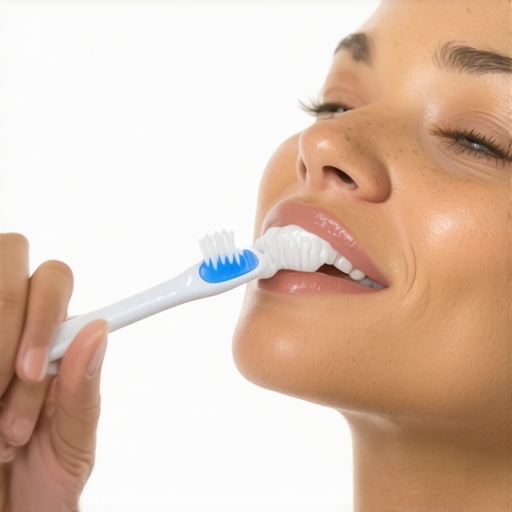
Start by choosing a soft-bristled brush and replacing it every three months. Position your brush at a 45-degree angle to your gums, and use gentle circular motions—think of polishing a gemstone rather than scrubbing a stubborn stain. I once tried to quickly brush my molars before bed and ended up missing several spots, leading to sensitivity the next day. After consciously slowing down and adopting this method, I noticed my teeth looked cleaner, and my gums felt healthier. Want to elevate your brushing game? Visit this guide for expert tips.
Incorporate Flossing into Your Daily Routine
Flossing is like cleaning the nooks and crannies that your brush can’t reach—think of it as dusting your house to keep everything shining. Use about 18 inches of floss, wrap it around your middle fingers, and gently glide between your teeth, curving around each tooth like a C-shape. I used to neglect flossing because it felt tedious, but once I realized it prevents plaque buildup and cavities, I made it a daily habit, resulting in less bleeding and fresher breath. For techniques that actually work, check this comprehensive guide.
Use Mouthwash for a Final Freshness Boost
Mouthwash isn’t just for fresh breath—it’s a mini clean-up crew that reaches areas brushing and flossing miss. Swish for about 30 seconds, making sure to cover all areas, and consider alcohol-free options if you experience dryness. I incorporated mouthwash into my routine and immediately felt a boost in cleanliness. Plus, some formulas contain whitening agents that help maintain brightness. If you’re curious about the latest in mouthwash innovations, explore here.
Schedule Regular Dental Checkups to Prevent Issues
Visiting your dentist twice a year is like taking your car in for tune-ups—preventive care saves you from costly repairs later. During these visits, professional cleaning removes tartar buildup, while your dentist checks for early signs of decay or gum disease. I once skipped a routine cleaning, and a small cavity turned into an infection, requiring a root canal. After that experience, I committed to regular visits, which kept my dental health intact. To find a trusted family dentist, see this resource.
While many believe that brushing twice daily suffices for optimal oral health, the reality is far more complex. A prevalent misconception is that all dental products are equally effective—yet, in my experience, selecting the right toothbrush and toothpaste tailored to your needs can significantly impact your results. Moreover, some patients overlook the importance of technique, believing vigor equals cleanliness, which can lead to gum recession or enamel erosion if not performed correctly. For example, aggressive brushing may actually cause more harm than good, damaging gum tissue and enamel layers. Studies, such as one published in the Journal of Periodontology, highlight that improper brushing techniques are a leading cause of periodontal issues in adults.
Another often-missed nuance involves the timing and frequency of professional cleanings. Many think annual visits are enough when, in truth, biannual appointments—sometimes more, depending on individual needs—are crucial for early detection and prevention of decay and gum disease. Overlooking these appointments can be a costly mistake, leading to complex procedures down the line.
### Why Do Even Experts Occasionally Miss These Small Details?
It’s easy to assume that routine habits guarantee good oral health, but the devil is in the details. For instance, many forget that mouthwash, while beneficial, is not a substitute for brushing and flossing. It can give a false sense of security if used improperly or relied upon exclusively. Additionally, some believe that whitening treatments are quick fixes, but without proper oral hygiene, stains can recur rapidly, and excessive use can cause sensitivity.
False beliefs about family dentistry can also hinder long-term health; many think it’s only necessary when problems arise instead of as a preventative measure. Regular checkups and cleanings are investments in your overall well-being, not just your teeth’s appearance. For a deeper dive into common dental myths and how to avoid them, visit this resource.
Finally, when it comes to cosmetic dentistry, some underestimate the importance of comprehensive planning. Achieving a truly radiant smile isn’t just about whitening; it involves understanding how teeth shape, gum health, and individual facial features interplay. Rushing into cosmetic procedures without expert consultation can lead to unnatural results or temporary dissatisfaction. I recommend consulting specialists to ensure your smile enhancement aligns with your natural anatomy for lasting confidence.
So, what are some advanced pitfalls that even seasoned patients often overlook? Remember, mastering your oral health involves understanding these nuances, avoiding common traps, and staying informed. Have you ever fallen into this trap? Let me know in the comments.When it comes to maintaining optimal oral health, having the right tools makes all the difference. Personally, I rely on a few specialized devices to enhance my routine and ensure long-term results. One game-changer for me has been an electric toothbrush with pressure sensors. Unlike manual brushes, this type alerts me when I brush too hard, preventing gum recession and enamel erosion—common pitfalls among many users. I use the Oral-B Genius series because it offers real-time feedback and oscillates efficiently to remove plaque deeply. Regularly updating your toothbrush every three months, as recommended by dental professionals, is crucial to maintain its effectiveness.
Another indispensable tool is a water flosser. I adopted the Waterpik model after reading several dental studies indicating its superior ability to clean interdental spaces without damaging gums. Water flossers are especially beneficial for those with braces, implants, or sensitive gums. They complement traditional flossing and help prevent plaque buildup, which can lead to more serious issues if neglected.
For assessing your oral hygiene, a UV disclosing plaque dye provides visual confirmation of plaque removal effectiveness. This secret weapon helps me identify spots I might miss during brushing or flossing. Using this tool occasionally ensures I’m hitting all the hard-to-reach areas and boosting my confidence that my routine is thorough.
In addition to physical devices, I utilize dental software apps such as Dentalk or DentistIQ to schedule reminders for dental checkups and track my oral health habits over time. These apps sync with my devices and offer personalized tips based on my data. They are transforming the way I approach regular maintenance, keeping me accountable.
So, what does the future hold for oral care technology? Predictions suggest a rise in AI-powered dental devices capable of analyzing oral health status in real-time and providing tailored recommendations—imagine a device that detects early signs of gum disease before symptoms even appear. This kind of innovation could revolutionize preventive dentistry, making professional checkups more targeted and efficient.
**How do I maintain these tools over time?** Regular cleaning, proper storage, and timely replacements are key. For instance, I clean my electric toothbrush heads weekly with a vinegar solution to eliminate bacteria and replace them every three months. Similarly, water flossers should be descaled periodically to prevent mineral buildup, especially in areas with hard water.
Don’t hesitate to try adding a water flosser or an electric toothbrush with smart features into your routine. Once you see the improvement in your oral health, you’ll wonder how you ever managed without them. For more tips on selecting the best tools for your individual needs, visit this resource. Keeping your tools functioning properly not only preserves their effectiveness but also conserves your investment over time, ensuring you maintain a bright, healthy smile for years to come.After years of trial, error, and learning from my own mistakes, I’ve realized that achieving and maintaining a radiant smile goes far beyond quick fixes and superficial solutions. It requires understanding the deeper lessons that come with consistent effort and informed choices. One crucial insight is that true oral health is a lifelong journey, not a one-time treatment. Regularly educating myself about the latest advancements—like innovative cosmetic dentistry solutions—has empowered me to make smarter decisions for my smile. Moreover, I’ve discovered that personal habits, when fine-tuned with expert guidance, have the potential to transform not just appearance but overall confidence. Remember, mastering your dental routine is about cultivating habits that serve your unique needs—something only experienced insights and ongoing learning can provide.
Reading through this detailed post really resonated with my own experience in trying to improve my dental health. I used to think that brushing vigorously was the best way to clean my teeth, but I learned the hard way that gentle, circular motions are much more effective and gentle on gums. I’ve also started incorporating a water flosser, and I kid you not, the improvement in my gum health is noticeable. It’s fascinating to see how technology, like UV plaque dyes and app reminders, can help us stay committed to our routines. One challenge I still face is maintaining consistency during busy weeks when I might skip a day or two—how do others keep their routines on track amidst a hectic schedule? Would love to hear your tips and tricks for staying disciplined.