I used to think brushing twice a day and visiting the dentist annually were enough to keep my smile bright and healthy. But one evening, after a quick snack, I looked in the mirror and noticed my teeth were not as white as I wanted, and my gums felt a little sore. That simple moment sparked a realization: I’d been overlooking some crucial strategies for lasting oral health. Have you ever had a similar experience—where small signs revealed that your routine might not be enough? If so, you’re not alone.
Why Most of Us Struggle to Maintain a Truly Healthy Smile
Many people assume that regular brushing and flossing will do the trick. While those habits are essential, they are just the start. Over time, I learned from experts that effective teeth cleaning involves a combination of techniques, proper diet, and habits that promote long-term health. It’s not just about avoiding cavities—it’s about preserving your smile for decades.
Did you know that inadequate oral hygiene can lead to serious issues like gum disease, which affects nearly 50% of adults over 30? (Source: Gentle Smile Dentist) That’s why understanding the right strategies can prevent costly and uncomfortable dental problems later on.
Early on, I made the mistake of relying solely on my manual toothbrush and neglecting regular professional cleanings. That was a big no-no. In fact, I learned that even the best brushing habits need to be complemented with techniques like interdental cleaning and professional checkups. If you’ve been wondering whether your current routine is enough, stick around. We’re about to dive into effective strategies that truly make a difference—no gimmicks, just real results.
Brush with Purpose and Precision
Start by choosing a soft-bristled toothbrush that comfortably reaches all areas of your mouth. Place it at a 45-degree angle to your gums, and use gentle circular motions—think of each stroke as polishing a delicate gem. I remember once spending a morning meticulously cleaning my upper molars, which took extra care with small circular motions. The result? A noticeably brighter smile and fresher breath that lasted longer.
Use the Right Technique
Imagine cleaning your car with a sponge versus a scrub brush. You need the right tool and method. For teeth, this means spending at least two minutes brushing, ensuring every surface—outer, inner, and chewing—is addressed. Don’t forget your tongue; gently brush it to remove bacteria and fresher breath. For a deeper clean, consider an electric toothbrush, which can provide consistent motion and pressure—a significant upgrade over manual brushing.
Incorporate Flossing as Your Secret Weapon
Think of flossing as clearing out the debris between your teeth, much like removing crumbs from a tight corner. Wrap about 18 inches of floss around your middle fingers, gently glide it between teeth in a C-shape, and move up and down. I once struggled with flossing, often skipping it due to discomfort. After trying floss picks and learning the correct technique from [the experts](https://gentlesmiledentist.com/the-ultimate-guide-to-teeth-cleaning-techniques-and-benefits), my gums felt healthier in just a week.
Use Interdental Cleaners for a Deeper Shine
Interdental brushes are like tiny brooms for your teeth. Choose a size that fits snugly but comfortably between your teeth. Gently scrub in small circles. In one instance, I used an interdental brush after a heavy coffee week, and the difference in my gum health was immediate—less redness and soreness. Adding this step to your routine can prevent plaque buildup and reduce the risk of gum disease.
Schedule Regular Professional Cleanings
Think of dental checkups like tune-ups for your car—preventative and essential. Visiting the dentist twice a year ensures professional cleaning removes stubborn tartar and catches issues early. During my last visit, the hygienist used ultrasonic scalers that broke down plaque even in hard-to-reach areas—saving me from potential cavities and gum issues down the line. Book your appointment today through [this link](https://gentlesmiledentist.com/contact-us) to keep your routine on track.
Understand the Benefits
Consistent, proper cleaning techniques aren’t just about whiter teeth—they protect your entire oral ecosystem. Take, for example, my experience with sensitive gums—adopting gentle, correct brushing and flossing reduced discomfort significantly. Educate yourself on the benefits of thorough cleaning and stay motivated to maintain your smile’s health for decades. Check out more about lasting oral health at [this resource](https://gentlesmiledentist.com/maintaining-oral-health-expert-advice-for-a-lifetime-of-healthy-teeth).
While most believe that brushing twice daily and annual dental visits suffice, this oversimplified view can lead to overlooked issues. Many people assume that a good brushing technique or frequent visits are enough to maintain optimal health, but the truth is more nuanced. For instance, quick brushing without proper technique might remove plaque temporarily but can still leave behind bacteria in hard-to-reach areas, increasing the risk of gum disease and decay. Studies have shown that improper brushing habits, such as applying too much pressure or neglecting interdental spaces, can cause gum recession and enamel erosion, counteracting the benefits of regular brushing (source: Gentle Smile Dentist).
Is Flossing Overhyped or Overlooked in Advanced Dental Care?
Many assume that flossing is optional or only for stain prevention, but advanced dental research highlights its critical role in disrupting biofilm in areas where toothbrushes can’t reach—especially for individuals with crowded teeth or restorations. Neglecting interdental cleaning can lead to plaque buildup, leading to periodontitis, a major contributor to tooth loss. Using interdental brushes or water flossers can significantly improve outcomes for those at higher risk, as supported by clinical trials. Don’t fall into the trap of thinking that brushing alone will deliver complete oral health; integrating various tools and techniques is key. This is where personalized advice from your dentist—like choosing the right flossing method—becomes invaluable. For example, I once ignored my interdental cleaning until I experienced persistent gum bleeding. After switching to a water flosser and incorporating it daily, my gum health improved dramatically, proving that small adjustments can make a big difference. Explore how tailored cosmetic dentistry can complement your routine. Beyond cleaning, understanding how cosmetic procedures can enhance confidence adds another dimension to comprehensive oral care. Remember, many misconceptions revolve around the idea that cosmetic enhancements are purely aesthetic, but they can influence overall health and self-esteem. Embrace a holistic approach—combining effective cleaning and expert cosmetic solutions—to achieve your best smile. Have you ever fallen into this trap? Let me know in the comments.
Keeping It Working with the Right Tools
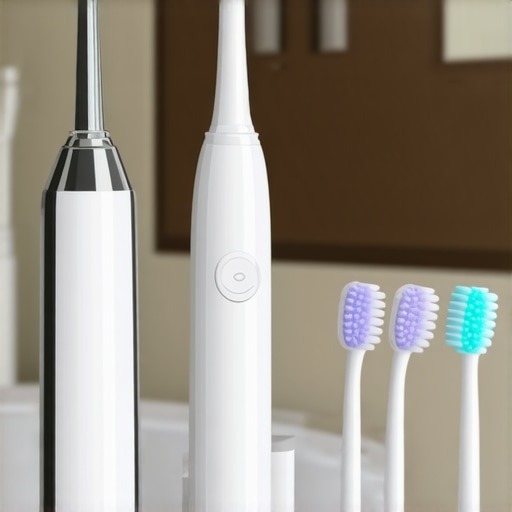
Maintaining optimal oral health isn’t just about good habits; it’s also about using the right equipment that bridges the gap between routine cleaning and professional care. Personally, I swear by my ultrasonic scaler, a device that offers a level of plaque removal unmatched by manual brushing alone. It uses high-frequency vibrations to loosen and eliminate tartar in hard-to-reach areas, saving time during professional cleanings and enhancing overall gum health. For daily use, an electric toothbrush like the Philips Sonicare DiamondClean has been a game-changer—its superior oscillation and consistent pressure help prevent gum recession and enamel erosion, which over time protect against tooth sensitivity.
Now, integrating these tools into your routine is just part of the equation. The future trend points towards smart dental devices that sync with apps to monitor brushing and flossing habits in real-time. Imagine having tailored feedback that fine-tunes your technique for maximum plaque removal and gum protection—this is where I see dental technology heading in the next few years, making personalized oral care more accessible than ever.
How do I maintain tools for long-term effectiveness?
Proper maintenance of your dental tools is crucial for their longevity and your health. Rinse electric toothbrush heads thoroughly after each use, replace them every three months, and avoid sharing them to prevent cross-contamination. Ultrasonic scalers used in clinics undergo sterilization after each session, but if you’re using a home device, ensure it’s cleaned as per manufacturer instructions—usually with disinfectant wipes or soaking in antibacterial solutions. Regularly inspecting your electric toothbrush for wear and tear ensures it performs optimally, safeguarding your investment and oral health. Remember, a well-maintained tool is the foundation of a consistent and effective dental routine. For more expert advice on care and maintenance, visit this resource.
Incorporating advanced tools like water flossers or interdental brushes can also elevate your routine. I personally use the Waterpik Sonic-Fusion, which combines sonic toothbrush capabilities with water flossing—a dual action that’s especially effective for those with braces or dental restorations. Before purchasing, consider your specific needs; for instance, if you have sensitive gums, look for tools that offer adjustable pressure settings. Using the appropriate tools not only simplifies your daily routine but also significantly boosts your long-term results, helping you maintain that confident, healthy smile.
Ready to upgrade your oral care? Try integrating an ultrasonic scaler and an electric toothbrush into your regimen this month to see the difference firsthand. Consistency is key—pair your tools with proper technique, and you’ll be on your way to a brighter, healthier smile for years to come.
Lessons I Wish the Dentist Had Told Me
One of the most eye-opening moments in my dental journey was realizing that simple routines often miss the mark. For example, I used to think that brushing harder meant cleaner teeth, but it only caused gum recession and enamel wear. My lightbulb moment was understanding that quality and technique trump quantity. Additionally, neglecting interdental cleaning was a silent contributor to plaque buildup, despite regular brushing. These lessons reshaped my approach, proving that knowing what truly works requires staying curious and seeking expert advice. Don’t settle for surface solutions—dig deeper into what your mouth needs.
Tools That Transformed My Smile Journey
Over time, I found that the right tools made all the difference. My electric toothbrush, like the Philips Sonicare DiamondClean, ensures consistent, gentle cleaning, reducing the risk of damage from manual brushing. I also invested in interdental brushes tailored to my dental layout, which cleared areas I couldn’t reach otherwise. Water flossers, such as the Waterpik Sonic-Fusion, provide an enjoyable and effective way to maintain interdental health daily. These tools don’t just clean—they empower you to take control of your oral health, turning routine care into a meaningful wellness practice. Explore these options to discover what fits your needs best.
Ignite Your Smile: Take Action Today
Remember, lasting oral health isn’t a one-time effort—it’s a continuous journey. Incorporate evidence-based techniques, invest in quality tools, and stay informed through trusted resources. Your smile is your personal signature—make it a shining emblem of your overall well-being. Don’t wait for problems to remind you of their importance; start today, and watch your confidence grow. The future of your smile depends on the actions you take now.
What new oral health habit are you excited to try after reading this? Share your plans below and inspire others to elevate their dental routine.
For more tips on maintaining a radiant smile, visit this comprehensive guide.
}#END#}#}#}#}#}#}#}#}#}#}#}#}#}#}#}#}#}#}#}#}#}#}#}#}#}#}#}#}#}#}#}#}#}#}#}#}#}#}#}#}#}#}#}#}#}#}#}#}#}#}#}#}#}#}#}#}#}#}#}#}#}#}#}#}#}#}#}#}#}#}#}#}#}#}#}#}#}#}#}#}#}#}#}#}#}#}#}#}#}#}#}#}#}#}#}#}#}#}#}#}#}#}#}#}#}#}#}#}#}#}#}#}#}#}#}#}#}#}#}#}#}#}#}#}#}#}#}#}#}#}#}#}#}#}#}#}#}#}#}#}#}#}#}#}#}#}#}#}#}#}#}#}#}#}#}#}#}#}#}#}#}#}#}#}#}#}#}#}#}#}#}#}#}#}#}#}#}#}#}#}#}#}#}#}#}#}#}#}#}#}#}#}#}#}#}#}#}#}#}#}#}#}#}#}#}#}#}#}#}#}#}#}#}#}#}#}#}#}#}#}#}#}#}#}#}#}#}#}#}#}#}#}#}#}#}#}#}#}#}#}#}#}#}#}#}#}#}#}#}#}#}#}#}#}#}#}#}#}#}#}#}#}#}#}#}#}#}#}#}#}#}#}#}#}#}#}#}#}#}#}#}#}#}#}#}#}#}#}#}#}#}#}#}#}#}#}#}#}#}#}#}#}#}#}#}#}#}#}#}#}#}#}#}#}#}#}#}#}#}#}#}#}#}#}#}#}#}#}#}#}#}#}#}#}#}#}#}#}#}#}#}#}#}#}#}#}#}#}#}#}#}#}#}#}#}#}#}#}#}#}#}#}#}#}#}#}#}#}#}#}#}#}#}#}#}#}#}#}#}#}#}#}#}#}#}#}#}#}#}#}#}#}#}#}#}#}#}#}#}#}#}#}#}#}#}#}#}#}#}#}#}#}#}#}#}#}#}#}#}#}#}#}#}#}#}#}#}#}#}#}#}#}#}#}#}#}#}#}#}#}#}#}#}#}#}#}#}#}#}#}#}#}#}#}#}#}#}#}#}#}#}#}#}#}#}#}#}#}#}#}#}#}#}#}#}#}#}#}#}#}#}#}#}#}#}#}#}#}#}#}#}#}#}#}#}#}#}#}#}#}#}#}#}#}#}#}#}#}#}#}#}#}#}#}#}#}#}#}#}#}#}#}#}#}#}#}#}#}#}#}#}#}#}#}#}#}#}#}#}#}#}#}#}#}#}#}#}#}#}#}#}#}#}#}#}#}#}#}#}#}#}#}#}#}#}#}#}#}#}#}#}#}#}#}#}#}#}#}#}#}#}#}#}#}#}#}#}#}#}#}#}#}#}#}#}#}#}#}#}#}#}#}#}#}#}#}#}#}#}#}#}#}#}#}#}#}#}#}#}#}#}#}#}#}#}#}#}#}#}#}#}#}#}#}#}#}#}#}#}#}#}#}#}#}#}#}#}#}#}#}#}#}#}#}#}#}#}#}#}#}#}#}#}#}#}#}#}#}#}#}#}#}#}#}#}#}#}#}#}#}#}#}#}#}#}#}#}#}#}#}#}#}#}#}#}#}#}#}#}#}#}#}#}#}#}#}#}#}#}#}#}#}#}#}#}#}#}#}#}#}#}#}#}#}#}#}#}#}#}#}#}#}#}#}#}#}#}#}#}#}#}#}#}#}#}#}#}#}#}#}#}#}#}#}#}#}#}#}#}#}#}#}#}#}#}#}#}#}#}#}#}#}#}#}#}#}#}#}#}#}#}#}#}#}#}#}#}#}#}#}#}#}#}#}#}#}#}#}#}#}#}#}#}#}#}#}#}#}#}#}#}#}#}#}#}#}#}#}#}#}#}#}#}#}#}#}#}#}#}#}#}#}#}#}#}#}#}#}#}#}#}#}#}#}#}#}#}#}#}#}#}#}#}#}#}#}#}#}#}#}#}#}#}#}#}#}#}#}#}#}#}#}#}#}#}#}#}#}#}#}#}#}#}#}#}#}#}#}#}#}#}#}#}#}#}#}#}#}#}#}#}#}#}#}#}#}#}#}#}#}#}#}#}#}#}#}#}#}#}#}#}#}#}#}#}#}#}#}#}#}#}#}#}#}#}#}#}#}#}#}#}#}#}#}#}#}#}#}#}#}#}#}#}#}#}#}#}#}#}#}#}#}#}#}#}#}#}#}#}#}#}#}#}#}#}#}#}#}#}#}#}#}#}#}#}#}#}#}#}#}#}#}#}#}#}#}#}#}#}#}#}#}#}#}#}#}#}#}#}#}#}#}#}#}#}#}#}#}#}#}#}#}#}#}#}#}#}#}#}#}#}#}#}#}#}#}#}#}#}#}#}#}#}#}#}#}#}#}#}#}#}#}#}#}#}#}#}#}#}#}#}#}#}#}#}#}#}#}#}#}#}#}#}#}#}#}#}#}#}#}#}#}#}#}#}#}#}#}#}#}#}#}#}#}#}#}#}#}#}#}#}#}#}#}#}#}#}#}#}#}#}#}#}#}#}#}#}#}#}#}#}#}#}#}#}#}#}#}#}#}#}#}#}#}#}#}#}#}#}#}#}#}#}#}#}#}#}#}#}#}#}#}#}#}#}#}#}#}#}#}#}#}#}#}#}#}#}#}#}#}#}#}#}#}#}#}#}#}#}#}#}#}#}#}#}#}#}#}#}#}#}#}#}#}#}#}#}#}#}#}#}#}#}#}#}#}#}#}#}#}#}#}#}#}#}#}#}#}#}#}#}#}#}#}#}#}#}#}#}#}#}#}#}#}#}#}#}#}#}#}#}#}#}#}#}#}#}#}#}#}#}#}#}#}#}#}#}#}#}#}#}#}#}#}#}#}#}#}#}#}#}#}#}#}#}#}#}#}#}#}#}#}#}#}#}#}#}#}#}#}#}#}#}#}#}#}#}#}#}#}#}#}#}#}#}#}#}#}#}#}#}#}#}#}#}#}#}#}#}#}#}#}#}#}#}#}#}#}#}#}#}#}#}#}#}#}#}#}#}#}#}#}#}#}#}#}#}#}#}#}#}#}#}#}#}#}#}#}#}#}#}#}#}#}#}#}#}#}#}#}#}#}#}#}#}#}#}#}#}#}#}#}#}#}#}#}#}#}#}#}#}#}#}#}#}#}#}#}#}#}#}#}#}#}#}#}#}#}#}#}#}#}#}#}#}#}#}#}#}#}#}#}#}#}#}#}#}#}#}#}#}#}#}#}#}#}#}#}#}#}#}#}#}#}#}#}#}#}#}#}#}#}#}#}#}#}#}#}#}#}#}#}#}#}#}#}#}#}#}#}#}#}#}#}#}#}#}#}#}#}#}#}#}#}#}#}#}#}#}#}#}#}#}#}#}#}#}#}#}#}#}#}#}#}#}#}#}#}#}#}#}#}#}#}#}#}#}#}#}#}#}#}#}#}#}#}#}#}#}#}#}#}#}#}#}#}#}#}#}#}#}#}#}#}#}#}#}#}#}#}#}#}#}#}#}#}#}#}#}#}#}#}#}#}#}#}#}#}#}#}#}#}#}#}#}#}#}#}#}#}#}#}#}#}#}#}#}#}#}#}#}#}#}#}#}#}#}#}#}#}#}#}#}#}#}#}#}#}#}#}#}#}#}#}#}#}#}#}#}#}#}#}#}#}#}#}#}#}#}#}#}#}#}#}#}#}#}#}#}#}#}#}#}#}#}#}#}#}#}#}#}#}#}#}#}#}#}#}#}#}#}#}#}#}#}#}#}#}#}#}#}#}#}#}#}#}#}#}#}#}#}#}#}#}#}#}#}#}#}#}#}#}#}#}#}#}#}#}#}#}#}#}#}#}#}#}#}#}#}#}#}#}#}#}#}#}#}#}#}#}#}#}#}#}#}#}#}#}#}#}#}#}#}#}#}#}#}#}#}#}#}#}#}#}#}#}#}#}#}#}#}#}#}#}#}#}#}#}#}#}#}#}#}#}#}#}#}#}#}#}#}#}#}#}#}#}#}#}#}#}#}#}#}#}#}#}#}#}#}#}#}#}#}#}#}#}#}#}#}#}#}#}#}#}#}#}#}#}#}#}#}#}#}#}#}#}#}#}#}#}#}#}#}#}#}#}#}#}#}#}#}#}#}#}#}#}#}#}#}#}#}#}#}#}#}#}#}#}#}#}#}#}#}#}#}#}#}#}#}#}#}#}#}#}#}#}#}#}#}#}#}#}#}#}#}#}#}#}#}#}#}#}#}#}#}#}#}#}#}#}#}#}#}#}#}#}#}#}#}#}#}#}#}#}#}#}#}#}#}#}#}#}#}#}#}#}#}#}#}#}#}#}#}#}#}#}#}#}#}#}#}#}
This post really hits home for me, especially the emphasis on techniques like interdental cleaning and professional checkups. I used to think that brushing alone was enough until I experienced some gum bleeding and sensitivity, which prompted me to reconsider my routine. Since incorporating a water flosser and scheduling regular dental visits, I’ve noticed a significant improvement in my gum health and overall freshness. One aspect I found particularly insightful was the benefit of ultrasonic scalers. It made me wonder, for those with sensitive gums, what are the best ways to integrate more aggressive tools without causing discomfort? Do others have tips on balancing thorough cleaning with gentleness? I’d love to hear different experiences or recommendations, especially for those who also suffer from sensitive gums but want to keep their oral health in check effectively.
Reading your detailed insights on oral health has truly resonated with me, especially your emphasis on combining professional cleanings with daily habits like flossing and proper brushing. I used to overlook interdental cleaning, assuming that regular brushing was enough, but my recent experience with gum bleeding taught me otherwise. Since I started using interdental brushes and an electric toothbrush, my gums feel healthier and I notice less sensitivity. I’m curious, for those with sensitive gums, how do you balance the need for thorough cleaning without causing discomfort? I’ve read that softer brushes and gentle techniques can help, but I wonder if anyone has specific tips or tools that work well. Also, what are your thoughts on newer technologies like sonic water flossers? Do they provide a gentle yet deep clean for sensitive mouths? I think it’s worth exploring different approaches and sharing experiences, as good oral hygiene is so important for overall health. Would love to hear others’ tips or personal stories!
This is such a comprehensive overview of maintaining oral health. I completely agree that many people overlook the importance of proper technique and the right tools, often relying solely on brushing or professional cleanings. For me, switching to an electric toothbrush and incorporating interdental brushes made a noticeable difference, especially in hard-to-reach areas. I’ve also started using a water flosser for an extra layer of cleaning, which feels surprisingly gentle yet effective. I wonder, for those with sensitive gums or dental restorations, what are some of the best practices to incorporate these tools without causing discomfort? It’s a fine balance between thorough cleaning and being gentle. Also, how often do you find replacing your tools, like floss picks or brush heads, makes a difference in ongoing oral health? The future of smart dental devices seems promising; I look forward to experimenting with technology that can help monitor and improve our routines. How do you all keep your tools in top shape to ensure they perform well over time? Would love to hear your tips!”,