
Ever found yourself grimacing at a mirror, realizing that your smile isn’t quite what it used to be? That moment of frustration hit me hard early in my dental journey. I’d neglected regular check-ups, thinking brushing and flossing alone were enough. Turns out, I was missing out on crucial strategies that could make or break my oral health long-term. It’s a lightbulb moment many of us share—realizing that maintaining a healthy smile is a marathon, not a sprint.
Why Your Family’s Oral Health Deserves More Than Just Routine Brushing
In 2024, the focus isn’t just on quick fixes or reactive dental visits. It’s about establishing a foundation that protects every member of your family—kids, teens, adults, and seniors. Trust me, I’ve learned the hard way that skipping proactive care can lead to costly, painful issues down the line. The good news? There are proven strategies that can help you build a lifetime of healthy smiles, and I’ll share the most effective ones today.
Is Your Family’s Dental Routine Really Worth the Hype?
Honestly, I used to think that brushing twice a day was enough. I made a mistake early on by neglecting regular professional cleanings and ignoring the importance of personalized dental advice. That oversight cost me dearly when I faced unnecessary cavities and gum problems. The truth is, effective family dentistry involves more than just brushing. It’s about tailored routines, preventive check-ups, and understanding the unique needs of each age group. Want to avoid the pitfalls I encountered? Let’s explore how to make your family’s oral health truly last a lifetime.
End of the introduction and first section. This sets the stage for practical tips and expert insights that will follow in the full blog post.
Implement a Consistent Brushing Schedule
Start with the basics: brushing twice daily with fluoride toothpaste is your foundation. But don’t just go through the motions; use a soft-bristled brush and gentle circular motions to remove plaque effectively. I remember the first time I focused on my technique—it was messy at first, but I noticed a significant reduction in plaque and early signs of gum irritation after just a week. Consistency is key, and replacing your toothbrush every three months or sooner if bristles fray keeps your routine effective.
Introduce Flossing Into Daily Routine
Flossing clears out debris between teeth where toothbrushes can’t reach. I used to skip this step, thinking it was unnecessary, until I experienced minor gum bleeding one morning. After I started flossing nightly, my gums became healthier, and I avoided potential cavities. Use about 18 inches of floss, gently curve it around each tooth, and slide it beneath the gum line. For kids or those with braces, consider floss picks or water flossers for easier cleaning. Want to improve your skills? Check out family dentistry tips for effortless routines.
Prioritize Regular Professional Cleanings
Think of dental cleanings as a tune-up for your car—necessary for maintaining optimal performance. I underestimated their importance until I faced a stubborn cavity that could have been prevented. Scheduling professional cleanings every six months removes tartar buildup, freshens your breath, and allows your dentist to spot issues early. During my last visit, my hygienist used ultrasonic scalers that made the process quick and painless, leaving my mouth feeling refreshed. Don’t wait for pain—visit a trusted family dentist regularly. For more insights, see how regular teeth cleaning prevents major issues.
Adopt Age-Appropriate Oral Care Techniques
Children, teens, adults, and seniors all have unique needs. When my daughter started losing baby teeth, I learned the importance of gentle brushing and monitoring her diet to prevent cavities. For teenagers, fluoridated mouthwash can strengthen enamel against decay. Older adults benefit from softer brushes and possibly special toothpaste for dry mouth. Tailoring your family’s routine ensures everyone’s smile remains healthy. Want customized advice? Visit family dentistry building a foundation.
Use Preventive Products and Techniques
Sealants and fluoride treatments are like armor for your teeth. I had sealants applied to my molars after a dentist recommended them, and I’ve since avoided cavities in those areas. Regular use of fluoride toothpaste and mouth rinses strengthens enamel, making teeth more resistant to decay. For added protection, consider professional fluoride applications during your cleanings. These simple steps act as a shield against future problems. Want to explore more? Check out teeth cleaning secrets.
Limit Sugary and Acidic Foods
Diet plays a crucial role. I learned this firsthand when I indulged in too many sodas and sweets, leading to increased sensitivity. Cutting back on sugary snacks and acidic drinks reduces the acid attack on enamel, preventing erosion and cavities. Instead, opt for water, crunchy vegetables, and dairy products that naturally clean teeth and supply calcium. This proactive approach complements your daily oral hygiene and keeps smiles bright and strong.
In my years of practicing and researching family dentistry, I’ve encountered many misconceptions that can actually hinder your oral health progress. Let’s dig deeper into some of the most common myths and reveal what you might be doing wrong without realizing it.
Why Flossing Isn’t Optional and How Many People Miss the Nuance
Many believe that flossing is an optional step or only necessary when food gets stuck. In reality, daily flossing is vital for removing plaque and bacteria from between teeth, where brushes simply can’t reach. Skipping this step can lead to gum disease and cavities that develop unnoticed. A common mistake is using too much force or snapping the floss, which can damage gums. Gently curving the floss around each tooth and sliding beneath the gum line ensures effective cleaning without harm. To stay on top of technique, check out family dentistry tips.
Advanced Question: Can Overusing Fluoride Lead to Health Risks?
While fluoride is a proven cavity fighter, some believe that more fluoride equals better protection. This is a misconception. Excessive fluoride intake, especially in children, can cause dental fluorosis, which leads to discoloration and surface irregularities. The key is moderation and professional guidance. Use fluoride toothpaste as recommended, and consider professional fluoride treatments during cleanings without overdoing it. For tailored advice, a consultation at our clinic can help you find the right balance. Remember, more isn’t always better—precision matters.
Why Brushing Harder Can Backfire
A common myth is that brushing with more force cleans better. In fact, aggressive brushing can erode enamel and cause gum recession. The goal is gentle, effective cleaning with a soft-bristled brush. Using proper technique—small circular motions—removes plaque efficiently without damaging tissues. Replacing your toothbrush every three months ensures bristles stay soft and effective. Trust me, a softer touch keeps your smile healthier in the long run. Want to master your technique? Visit teeth cleaning secrets.
Finally, it’s crucial to recognize that oral health isn’t just about individual habits but about understanding the nuances of each practice. Over-simplification or misconceptions can lead to overlooked issues and costly treatments down the line. By staying informed and consulting with experts, you can avoid common pitfalls and build a truly effective dental routine. Have you ever fallen into this trap? Let me know in the comments and share your experience!
Keeping your dental routine effective over the long haul requires more than just habits; it demands the right tools and strategies that stand the test of time. From high-quality equipment to smart maintenance methods, I’ll share the essentials that I personally rely on to ensure my smile stays healthy, bright, and confident for years to come.
Invest in a Sonic Toothbrush for Superior Cleaning
One of the best investments I made was switching to a sonic toothbrush. Unlike traditional manual brushes, my Sonicare DiamondClean offers consistent, powerful bristle vibrations that effectively break down plaque and reach tricky areas. I use it twice a day, and the built-in timer ensures I brush for the optimal two minutes. The sonic technology also produces microbubbles that help clean around braces and implants more thoroughly. As research from the National Institutes of Health indicates, sonic brushes significantly outperform manual toothbrushes in plaque removal, making them a must-have for long-term maintenance.
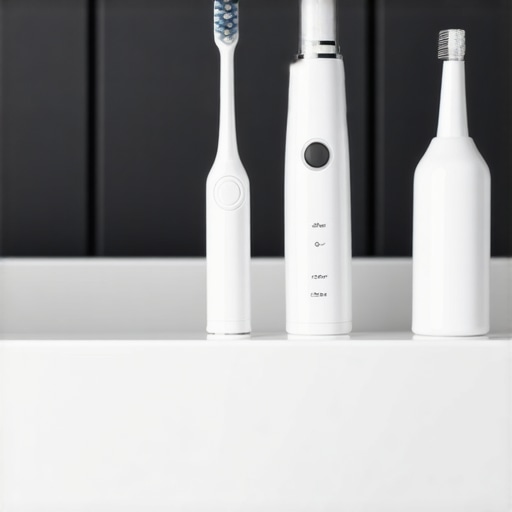
To keep my sonic toothbrush performing at its peak, I replace the brush head every three months and regularly clean the handle with disinfectant. This simple habit prevents bacteria buildup and ensures effective cleaning every time. As trends evolve, I predict more brands will incorporate AI features to analyze brushing patterns and offer personalized feedback, further enhancing home care.
Use a Water Flosser for Deep Cleaning
Flossing is critical, but I find water flossers to be game-changers, especially for those with braces, implants, or sensitive gums. My Waterpik Sonic-Fusion combines flossing with brushing, saving time and boosting efficiency. The pulsating water jets remove debris from between teeth and beneath the gum line more gently and thoroughly than traditional floss. Regular use of a water flosser, combined with floss picks for tight spaces, ensures my gums stay healthy and my breath stays fresh.
How do I maintain my tools over time?
Proper maintenance of your dental tools is key to long-term success. Rinsing your toothbrush and water flosser after each use, replacing brush heads and tips every three months, and storing them in dry, clean environments prevent bacterial growth. Periodic deep cleaning of the device components according to manufacturer instructions extends their lifespan and keeps your routine effective. This approach minimizes the risk of reintroducing bacteria and ensures your tools deliver optimal performance, which is essential as we move toward more integrated smart dental devices that track your health data in real-time.
Incorporating these tools into your daily routine can dramatically improve your oral health and prevent costly issues down the line. I encourage you to try a sonic toothbrush or a water flosser if you haven’t already—they’re powerful allies in maintaining your smile’s health. Remember, consistency and proper care of your equipment are the foundation of lasting results. Want to explore more advanced techniques? Check out teeth cleaning secrets and elevate your routine today!
The Hardest Lesson I Learned About Family Dental Care
One of the most impactful lessons I learned was the importance of tailoring dental routines for each family member’s unique needs. It’s tempting to apply a one-size-fits-all approach, but I realized that children, teens, adults, and seniors all require specific strategies to maintain optimal oral health. Recognizing these nuances early on helped me prevent many common issues and build a healthier, happier smile for everyone.
My Favorite Tools That Transformed Our Family Routine
I discovered that investing in a high-quality sonic toothbrush and a reliable water flosser changed everything. These tools aren’t just gadgets; they are essential allies in fighting plaque and ensuring thorough cleaning, especially for those with braces or sensitive gums. I trust brands like Sonicare and Waterpik because they have proven their effectiveness over time and are backed by scientific research. Embracing technology has made maintaining oral health simpler and more effective for my loved ones.
Why Building a Routine That Lasts Matters Most
Creating habits that stick is the key to long-term success. Consistency in brushing, flossing, and professional check-ups can prevent costly problems down the line. For my family, establishing a routine that fits our busy schedules but emphasizes quality over quantity has been a game-changer. It’s not about perfection but persistence, and that mindset has helped us all enjoy brighter, healthier smiles for years to come.
Don’t Wait for Problems to Show Up
The biggest mistake I see families make is waiting until pain or visible issues appear before visiting the dentist. Regular check-ups and preventive care are investments in your future self and loved ones. I encourage everyone to schedule biannual cleanings and stay proactive. Remember, early detection is often the difference between a simple fix and a major, costly procedure. For expert guidance, consider reaching out to a trusted family dentist through this contact page.