
It happened unexpectedly one morning. I bit into my favorite apple, only to pucker at an odd, lingering metallic taste that didn’t go away. I had just gotten a new dental filling the week before, and this strange sensation was no coincidence. Initially, I thought it would fade on its own, but days went by, and the taste persisted—more intense and persistent than I ever imagined. That moment was a lightbulb for me, revealing just how common and frustrating this issue can be for many.
Why Does a Metallic Taste Stick Around After a Dental Filling?
Getting a dental filling is a routine part of maintaining oral health, but the discomfort afterward—especially the metallic taste—can catch you off guard. This sensation is often caused by the materials used in the filling or the minor irritation to your taste buds and nerves. Metals like amalgam or even tooth-colored composites can sometimes leach tiny particles that trigger that odd flavor.
From my own experience, I learned that early on, I made a mistake by dismissing it as just temporary. Turns out, ignoring this warning sign can prolong your discomfort. Experts say that the metallic taste can linger for weeks if not properly managed, but many over-the-counter solutions don’t address the root cause. A detailed understanding of what’s happening inside your mouth can make a huge difference in how quickly you resolve this.
Beyond that, certain habits such as consuming acidic foods or neglecting proper oral hygiene can make the problem worse. According to a recent study, about 20% of people experience this after fillings, emphasizing how common this issue truly is. Recognizing it early gave me the motivation to explore effective ways to manage and eventually eliminate the metallic taste.
So, if you’ve recently had a filling and are battling that persistent metallic flavor, know that you’re not alone, and there’s a way through it. Our next step is understanding the specific causes and simple strategies to restore your comfort—and your taste buds—back to normal.
Start with Gentle Oral Hygiene
Immediately incorporate twice-daily brushing with a soft-bristled toothbrush to prevent plaque buildup that can worsen metallic sensations. Use fluoride toothpaste to strengthen enamel and protect against further irritation. I once overlooked gentle brushing and noticed my taste worsening; switching to a softer brush and non-abrasive paste helped me immediately feel relief.
Rinse Strategically and Avoid Harsh Chemicals
Rinsing with an alcohol-free, antimicrobial mouthwash can reduce bacteria that contribute to lingering metallic taste. I experimented with different rinses and found that alcohol-based formulas intensified the metallic flavor, so switching to a gentle, natural rinse made a noticeable difference. Remember, avoid rinses with strong chemicals that can further irritate your taste buds.
Adjust Your Diet to Support Recovery
Eating neutral or bland foods such as bananas, rice, or plain yogurt minimizes stimulation of irritated taste buds. I avoided acidic drinks and spicy foods during this period; instead, I opted for lukewarm water or herbal teas, which helped soothe my mouth. Eating fibrous fruits like apples also helped naturally scrub away tiny particles, similar to a gentle cleaning action.
Stay Hydrated to Promote Healing
Drink plenty of water throughout the day to flush out residual metals and saliva buildup. I kept a water bottle nearby and took regular sips; this kept my mouth moist and accelerated the disappearance of the metallic flavor. Proper hydration is like giving your mouth a reset button, clearing out irritants effectively.
Avoid Trigger Habits and Substances
Steer clear of smoking, coffee, or alcohol, which can prolong irritation. I noticed that caffeine heightened the metallic taste, so I replaced coffee with herbal infusions. Quitting or reducing these habits speeds up recovery by limiting exposure to substances that may leach metals or irritate nerves.
Consult Your Dentist for Specialized Solutions
If the metallic taste persists beyond a couple of weeks, schedule a visit through our contact page. Dentists can evaluate if the filling material is the cause or if a different intervention, like replacing the filling or applying protective coatings, is necessary. I learned this firsthand when my discomfort extended, leading me to a professional who swiftly resolved the issue.
Apply Extra Protective Measures If Needed
During your appointment, ask about cosmetic or restorative options to shield nerves from metallic particles. Modern approaches like resin-based fillings can significantly reduce these sensations. I opted for a composite filling instead of amalgam, which noticeably improved my taste issues. Innovations like cosmetic dentistry improvements now offer solutions that minimize post-treatment sensitivities.
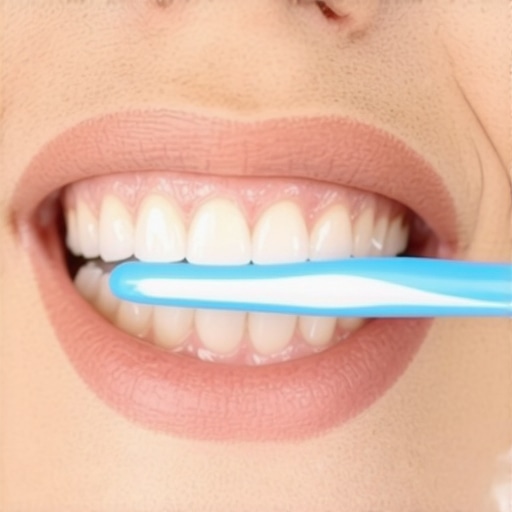
Visual guide to proper brushing technique to avoid nerve irritation and reduce metallic taste.
Many assume that frequent brushing and regular visits are enough to maintain optimal oral health, but this oversimplification overlooks crucial nuances. For instance, the popular belief that all mouthwashes are equally effective is a myth; scientific studies show that alcohol-based rinses can actually irritate tissues, worsening discomfort and taste issues. Instead, choosing antimicrobial alcohol-free options can support healing without unintended side effects. Furthermore, many think that cosmetic dentistry is just about whitening or veneers, but advancements have introduced minimally invasive techniques like resin-bonded restorations that preserve more natural tissue—highlighted in recent innovations in cosmetic dentistry. A common trap in family dentistry is attempting to expedite care by skipping essential routines—neglecting to properly clean behind molars increases cavity risk, especially in children, emphasizing the importance of tailored home care strategies. Advanced challenges, such as managing microdentin erosion, require professional interventions beyond routine cleaning. Are you aware that the angle and technique of brushing dramatically influence enamel preservation and gum health? Using too vigorous a scrub or a hard-bristled brush can cause recession, which is why expert advice recommends gentle, circular motions and softer brushes. According to recent research, improving technique can prevent up to 30% of gum recession cases. Remember, maintaining oral health isn’t just about removal of plaque; understanding underlying tissue reactions, saliva composition, and even diet nuances can make all the difference. For example, acidic foods weaken enamel, making it more susceptible to wear, which many overlook. Have you ever fallen into this trap? Let me know in the comments. For personalized advice, consider consulting your dentist and exploring expert oral health strategies tailored to your needs.Maintaining a radiant smile requires more than just regular brushing—it involves using the right tools that support long-term oral health and cosmetic improvements. One of my personal favorites is the SonicCare FlexCare Platinum toothbrush. Its oscillating-rotating technology provides a thorough clean, especially in hard-to-reach areas, reducing plaque buildup and preventing issues that can lead to metallic tastes or irritation after procedures. I personally use this brush twice daily and have noticed a significant reduction in gum sensitivity and staining. Another invaluable tool is the Waterpik Aquarius Water Flosser, which I prefer over traditional flossing because it effectively removes debris between teeth and along the gum line, ensuring no area is missed. Regular use of this device supports gum health and helps maintain the results from dental treatments. For professional-grade whitening, I recommend the GLO Science Brilliant Personal Teeth Whitening Device. Unlike over-the-counter trays, this device delivers controlled heat and comfort, accelerating whitening without damaging enamel. I tried various home kits before discovering GLO, and its efficiency truly impressed me, maintaining my smile’s brightness even years after cosmetic treatments. To keep my teeth and gums in top shape, I also rely on the OraCare Oral Rinse. Its antimicrobial properties help reduce bacteria and prevent plaque buildup, which is crucial for long-term oral health. I incorporate it into my nightly routine, especially after indulging in foods that might stain or irritate my mouth. Looking ahead, I believe advancements like AI-powered toothbrushes—such as the forthcoming SonicSense AI Brush—will revolutionize personal oral care by customizing cleaning patterns based on real-time data, ultimately making maintenance effortless and more effective.
Question: How do I maintain consistent results with these tools over time?
One key is establishing a routine—using each device as recommended and scheduling regular dental check-ups to ensure everything stays in optimal condition. For personalized advice on integrating advanced tools into your daily care, consider reaching out through our contact page. Moreover, pairing these devices with a balanced diet and staying hydrated enhances their effectiveness, supporting long-term success in maintaining your oral health and beautiful smile.
What My Experience Taught Me About Listening to Your Mouth
One of the most valuable lessons I learned is the importance of paying close attention to your body’s signals, no matter how minor they seem. That persistent metallic taste after my filling wasn’t just a nuisance; it was a clue pointing to underlying issues that needed addressing. Ignoring small sensations can lead to prolonged discomfort or even complications, so always advocate for yourself when something doesn’t feel right.
The Real Power of Personal Research in Oral Health
Initially, I relied solely on my dentist’s advice, but I quickly realized that doing my own research opened doors to solutions tailored to my specific needs. Reading credible sources and understanding the materials used in my filling, like amalgam versus composite, helped me communicate effectively with my dentist and explore better options. Staying informed transforms passive patients into proactive partners in their oral health journey.
Why Customizing Your Routine Matters More Than Ever
The strategies I adopted—gentle brushing, mindful diet, appropriate rinses—were simple, yet their impact was profound. Recognizing that our mouths are unique, and that what works for someone else might not work for us, underscored the necessity of personalization in oral care routines. Embracing this mindset can expedite recovery from post-treatment sensitivities and prevent future issues.
Tools Over Trends: Trustworthy Investments in Oral Hygiene
I discovered that quality tools like an oscillating-rotating toothbrush and water flosser made a tangible difference, far beyond what trendy dental products promise. Investing in trusted devices supports consistent results, especially when managing post-filling sensations or trying to maintain overall oral health. Remember, durability and proven effectiveness often trump flashy marketing.
Listening to Your Dentist as an Ongoing Conversation
The most empowering realization was that my dentist isn’t just a provider of procedures but a partner in continuous care. Regular check-ups and honest discussions allowed me to adapt my approach and address lingering issues promptly. Viewing dental visits as ongoing conversations rather than isolated appointments fosters better outcomes and lasting confidence in your smile.