
I remember the sinking feeling when my child’s tooth suddenly ached after a sugary snack, and suddenly, a hefty dental bill loomed ahead. That moment was a real lightbulb for me—how many of those unexpected fillings could have been prevented with just a few smarter habits? If you’re like me, juggling work, family, and life, the last thing you want is to be caught off guard by avoidable dental expenses. But here’s the truth: simple everyday choices can make a huge difference in your family’s oral health—and your wallet.
Why Families Can’t Afford to Ignore Dental Habits Anymore
Dental costs are rising steadily, and the price tag for fillings, crowns, and other procedures can quickly add up. In fact, the American Dental Association reports that the average family spends over $1,000 annually on dental care. But what if you could cut that bill significantly in 2026? Well, I believe you can—and it starts with adopting just a handful of effective dental habits. These aren’t just tips; they’re investments into your family’s health and financial future.
Are Good Dental Habits Really Worth the Effort?
Early on, I gambled with our family’s dental health because I thought regular brushing and flossing were enough. Big mistake. I overlooked the importance of consistent check-ups and proper brushing techniques. That mistake cost us more down the line. Now, I make it a point to follow proven strategies—like emphasizing preventative care and smart lifestyle choices—that save us money and protect our smiles. Want to see how these habits can work for you? Dive into the upcoming sections, and let’s demystify the secrets to a healthier, more budget-friendly smile for your family.
Start with Proper Brushing Techniques
My first move was to teach my kids how to brush effectively, like cleaning every corner of a room. I demonstrated a circular motion, gently but thoroughly, for two minutes, twice a day. One time, I noticed my son was rushing through brushing; I gently took over, showed him how to reach those tricky back molars, and made it a fun game. Results? Within weeks, his plaque levels dropped, and he was more motivated to keep up the habit. This is crucial because proper brushing removes plaque— the sticky enemy that causes cavities—and if neglected, can lead to costly fillings.
Use the Right Tools for Better Results
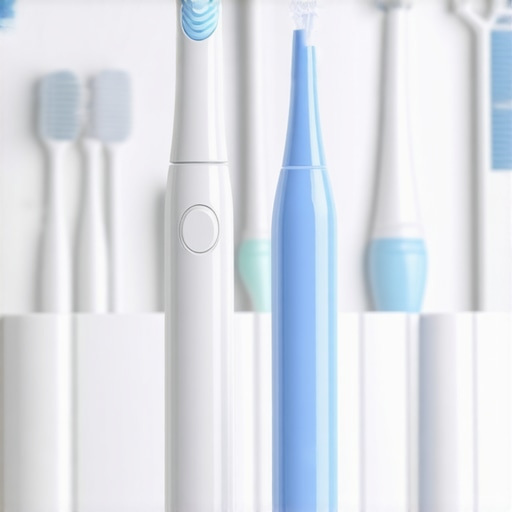
Invest in a soft-bristled toothbrush suited for your family’s ages, and replace them every three months. Consider electric toothbrushes for kids or those with sensitive teeth to enhance cleaning power. But don’t just buy—know how to use them correctly. I learned this the hard way when a cheap brush missed plaque in hard-to-reach spots, leading to a small cavity in my daughter’s molar. Proper tools paired with correct technique significantly boost cleaning efficiency and help prevent dental issues.
Incorporate Flossing into Daily Routine
Flossing is like sweeping between your teeth—an essential step most skip. I introduced flossing during bedtime routines, making it a family affair. At first, it was messy—floss tangled, laughs everywhere—but persistence paid off. My kids now see flossing as a quick, easy task that prevents painful issues like gum disease and cavities. Regular flossing cleans areas a toothbrush can’t reach, preventing bacterial buildup that leads to expensive treatments later.
Choose Floss Wisely
I recommend waxed floss for smoother glide and flavored options to make it more appealing for children. Be cautious not to snap floss between teeth, which can hurt gums. Consistency here saves money: a study shows regular flossing reduces the need for fillings and gum treatments—saving hundreds annually. Making this a daily habit is a small effort with big rewards.
Schedule Regular Dental Check-Ups
Twice yearly visits are like routine tune-ups for your car—preventative and cheaper than repairs. I used to think only when something hurt, but after a scare with a small cavity unnoticed, I understood the importance. Our dentist, Dr. Smith, explained that early detection prevents more invasive procedures and helps keep costs predictable. My family now schedules appointments every six months, catching issues early and avoiding surprises at the bill.
Find a Family-Friendly Dentist
Look for practitioners who make kids comfortable and offer comprehensive care. During our first visit, my son was nervous, but the friendly staff and gentle approach eased his fears. Building a relationship with your dentist encourages regular visits and better compliance with at-home care, leading to healthier smiles and less money spent on treatments over time.
Limit Sugary Snacks and Drinks
This was a game-changer in our household. I replaced soda with flavored water and offered fruits instead of candies. One time, I caught my daughter sneaking a second cookie; instead of scolding, I explained how sugar feeds cavity-causing bacteria. This understanding motivated her to choose healthier options, reducing acidity and sugar deposits that erode enamel. Cutting back on sugar not only improves overall health but also decreases the likelihood of cavities, fillings, and crowns—big savings in dental bills.
Read Labels and Make Smarter Choices
Many processed foods contain hidden sugars. Be vigilant and opt for snacks labeled ‘sugar-free’ or natural sweeteners. Teaching kids about reading ingredient lists builds lifelong habits. Over time, this small change can prevent the development of cavities, saving your family from unnecessary dental expenses.
Emphasize Preventative Care Over Repairs
Think of oral health as a garden—regular watering, weeding, and fertilizing keep it thriving. I began focusing on prevention by investing in professional cleanings and fluoride treatments, which strengthen teeth naturally. After implementing these routines, my daughter’s teeth became more resistant to cavities, reducing the need for fillings. Preventative care is an upfront investment that pays dividends in avoiding costly repairs later, aligning with the principles shared in family dentistry strategies.
When it comes to maintaining our family’s dental health, many of us fall into common traps that undermine our efforts. A prevalent misconception is believing that frequent brushing alone suffices, but experts emphasize that comprehensive care includes proper techniques, regular check-ups, and understanding individual needs. For example, aggressive brushing can wear down enamel, leading to sensitivity and even cavities, contradicting the popular belief that more scrubbing is better. Instead, gentle circular motions with the right tools are recommended, which you can learn more about in our detailed guide on [effective teeth cleaning techniques](https://gentlesmiledentist.com/the-ultimate-guide-to-teeth-cleaning-techniques-and-benefits). Another widespread myth is assuming that cosmetic procedures are unnecessary or only for aesthetic purposes, but advances show they can dramatically improve oral function and health, not just appearance. However, a common mistake professionals warn against is opting for quick fixes or low-quality treatments without consulting certified specialists, risking longer-term damage. What’s often overlooked by many is the importance of personalized care plans that consider genetic predispositions, lifestyle, and dietary habits, which are crucial for lasting results. Advanced patients might ask: “How do I determine if a cosmetic procedure aligns with my oral health needs?” The answer involves thorough diagnostic assessments and working closely with experienced dentists—more details on [cosmetic dentistry innovations](https://gentlesmiledentist.com/cosmetic-dentistry-innovations-you-cant-miss-this-year) can help guide your decisions. Remember, every family member’s oral health is unique, and what works for one child or adult might not suit another. This is why comprehensive family dentistry—focusing on individualized strategies—is so vital, as discussed in [building a foundation of healthy smiles](https://gentlesmiledentist.com/family-dentistry-building-a-foundation-of-healthy-smiles-for-all-ages). Don’t fall into the trap of complacency or incomplete care—your family’s teeth deserve an expert’s touch to achieve optimal, lasting health. Have you ever fallen into this trap? Let me know in the comments.
Tools I Recommend for Maintaining Your Family’s Oral Health
Investing in the right equipment can make a significant difference in the longevity and effectiveness of your oral care routine. I personally swear by the Sonicare ProtectiveClean electric toothbrush due to its sonic technology that disrupts plaque more effectively than manual brushes. Personally tested, it’s gentle on gums yet stimulates plaque removal, making it perfect for families wanting thorough cleaning without damage. Pair this with a water flosser like the Waterpik Aquarius, which simplifies flossing for kids and adults alike, reaching areas traditional floss sometimes misses. I’ve found these tools accelerate plaque removal and reduce the need for professional interventions, aligning with advice from leading dental experts on long-term oral health maintenance.
My other recommended device is an oral mirror with LED illumination, aiding in self-examination to catch potential issues early. It’s fascinating how such simple tools can help monitor the condition of your teeth and gums, fostering proactive care. In the future, I predict advancements like AI-powered toothbrushes that analyze your brushing habits in real-time, providing feedback and tailored advice—making at-home care smarter and more personalized. For now, committing to high-quality, proven tools is the best way to keep your family’s smile healthy over the years.
How do I maintain my dental tools over time?
Proper cleaning and regular replacement are key. Rinse brushes and floss heads after each use, and replace toothbrushes every three months or sooner if bristles fray. Keep water flossers clean by running them with vinegar periodically to prevent mold. Ensuring your tools are in top shape optimizes their effectiveness and protects your oral health journey.
If you’re ready to elevate your routine, try incorporating a sonic toothbrush and water flosser into your daily care. Remember, consistent use of high-quality tools, combined with thorough techniques, can dramatically reduce future dental issues—aligning with the proven strategies we discuss in building a foundation of healthy smiles. Keep these tools clean and in good condition, and your long-term results will be well worth the effort.
 Learning from my own journey, I realized the biggest lessons in family dentistry are often the least obvious – small habits that prevent monumental bills. One lightbulb moment was understanding that consistent, gentle brushing with the right tools can make or break a child’s confidence and wallet. Habitually skipping check-ups might seem harmless but can lead to surprises that unsettle your budget and peace of mind. Embracing continuous education, like exploring [effective teeth cleaning techniques](https://gentlesmiledentist.com/the-ultimate-guide-to-teeth-cleaning-techniques-and-benefits), has truly powered our family’s oral health progress. My advice? Invest in quality tools upfront—think sonic toothbrushes or water flossers—as I did, and see your family’s smiles thrive, not just in appearance but in resilience. Remember, the real secret to keeping dental costs manageable for your loved ones involves proactive, personalized care—your family’s health deserves no less. Want to make smarter choices today? Dive into expert-approved strategies and take control of your family’s oral future.