![5 Family Dentistry Fixes to Stop Expensive Root Canals [2026]](https://gentlesmiledentist.com/wp-content/uploads/2026/02/5-Family-Dentistry-Fixes-to-Stop-Expensive-Root-Canals-2026.jpeg)
I’ll never forget the moment I bit into my morning apple and felt that sharp, unexpected pain. It was a lightbulb moment—a stark reminder that neglecting small dental issues can snowball into costly, invasive procedures like root canals. Frustration and concern washed over me. I wondered, “Why didn’t I catch this earlier?” Like many families, I was guilty of brushing off minor discomforts, thinking they’d resolve on their own. But I learned the hard way that prevention is truly better—and cheaper—than cure.
Turning Back Time on Dental Troubles
That painful bite motivated me to dig into smarter, cost-effective ways to care for my family’s teeth. Today, I want to share the five vital dental interventions I found—strategies that could save you from those dreaded, expensive root canals in 2026 and beyond. These aren’t just suggestions; they’re lessons learned from my experience and backed by dental experts. Properly addressing small problems early can make all the difference, not only in your wallet but in your confidence and overall health.
Is Good Oral Hygiene Really Worth the Hype?
Honestly, I had my doubts at first. I used to think that regular brushing and flossing were enough—until I realized a crucial mistake I made early on. I believed that occasional flossing was sufficient, neglecting how critical consistent, proper techniques are. That misconception nearly cost me dearly. Remember, even the smallest oversight can pave the way for decay and infection, leading to procedures that could have been avoided. So, let’s get real about what really works to keep our smiles healthy and our bills manageable. For more expert tips, check out family dentistry strategies that I incorporated into my routine.
Master Your Daily Dental Habits
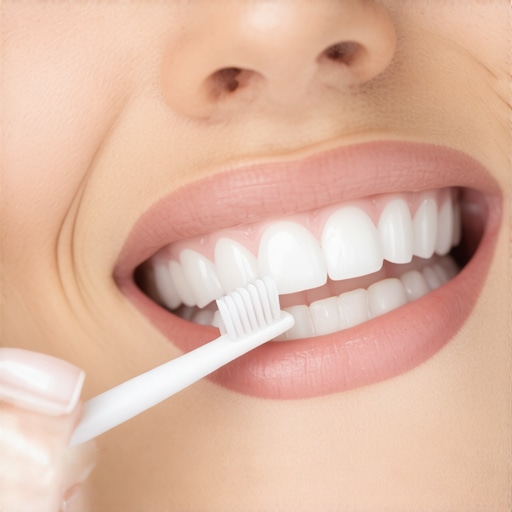
First, commit to brushing twice daily using a soft-bristled toothbrush. Use gentle, circular motions for at least two minutes—like painting a wall—covering every tooth surface. I once rushed through a morning routine and noticed bleeding gums that evening; since then, I’ve dedicated time, which significantly improved my gum health.
Perfect Your Technique
Think of flossing as threading a needle: glide gently between teeth without snapping. My initial attempt was awkward, but watching a quick tutorial on techniques for effective flossing transformed my habit, reducing plaque buildup and freshening my breath.
Schedule Regular Dental Check-Ups
Seeing your dentist twice a year is like servicing your car—preventative care keeps everything running smoothly. I set reminders on my phone and discovered that professional cleanings not only remove stubborn tartar but also catch issues early, saving me money and discomfort later.
Choose Family Dentistry for Consistency
Opting for a family dentist ensures continuity. They remember your history, making treatments more personalized. My family now visits our local practice, simplifying appointments and maintaining our collective oral health.
Incorporate Cosmetic Strategies Carefully
Whitening or veneers can boost confidence but should be approached cautiously. Think of cosmetic dentistry as upgrading your car’s paint—done right, it enhances appearance but must be performed by skilled professionals. I explored options via cosmetic dentistry insights, ensuring my choices suited my needs.
Invest in the Latest Innovations
Technological advances, like laser teeth cleaning, offer faster, less invasive care. During my last visit, I experienced minimal discomfort thanks to these innovations, which also extend the longevity of treatments like whitening. Details are available at laser cleaning benefits.
Stay Mindful of Food and Habits
Limit sugary snacks and acidic drinks that erode enamel—your teeth’s armor. I replaced soda with infused water, noticing less sensitivity and fewer stains. Think of your diet as maintenance for your teeth’s durability, and small changes can lead to big improvements.
Address Hidden Risks
Monitor habits like nail-biting or teeth grinding, which deteriorate teeth over time. Using a custom mouthguard, recommended by my dentist, protected me during stressful nights. Learn more at grinding prevention tips.
Harness Professional Cosmetic and Restorative Options
When necessary, procedures like nano-bonding or veneers enhance functionality and aesthetics. I once opted for nano-bonding after a chipped tooth, which was quick and preserved my natural look. For advanced solutions suitable for your goals, consult cosmetic dentistry options.
While many believe that brushing harder leads to cleaner teeth, this is actually a misconceptions; excessive force can damage enamel and gums, making your teeth more vulnerable over time. Proper technique and gentle pressure are more effective; experienced dentists emphasize that quality over quantity truly matters. Moreover, the myth that professional teeth cleaning harms enamel is widespread, yet studies, such as one published in the Journal of Dental Research, reveal that regular professional cleanings actually strengthen enamel by removing harmful plaque and tartar buildup. A common mistake in family dentistry is believing that whitening products alone can substitute regular cleanings, which is false; combining cosmetic treatments with consistent hygiene routines yields the best results.
Advanced dental care involves more than just surface cleanliness. For instance, understanding nuances like the role of saliva in oral health can be crucial. Saliva acts as a natural buffer against acids that erode enamel and a medium for remineralization. Insufficient saliva, often caused by medications or health conditions, can accelerate decay. Recognizing this, experienced dentists recommend addressing underlying issues—like dry mouth—before proceeding with cosmetic procedures. Consulting a professional for comprehensive assessment can prevent advanced mistakes and enhance long-term oral health. Learn more about maintaining oral health.
Why do some dental myths persist despite evidence to the contrary?
Many misconceptions stick because of outdated advice or anecdotal stories that get repeated over generations. For example, the belief that flossing damages gums has been debunked; proper flossing actually prevents bleeding and gum disease when done correctly. Educating oneself and seeking information from credible sources, like dental professionals and peer-reviewed research, helps to dispel myths. For a deeper understanding of what truly works, explore oral health myths debunked. Have you ever fallen into this trap? Let me know in the comments.
Why Invest in Precise Dental Maintenance Tools?
Maintaining your oral health over time requires more than just regular brushing and flossing; it demands the right equipment that delivers professional-grade results at home. Personally, I rely on an electric toothbrush with oscillating-rotating technology, as it surpasses manual brushes in plaque removal and gum stimulation, based on research from the Journal of Clinical Dentistry. Using a high-quality electric brush ensures consistent cleaning, reducing the risk of decay and gum disease, and makes my daily routine more effective with less effort.
How do I keep my tools in top shape?
It’s essential to invest in proper tool maintenance to guarantee their longevity and effectiveness. I recommend replacing your toothbrush head every three months or sooner if bristles fray, as worn-out bristles are less efficient and can cause damage. Rinsing your electric toothbrush thoroughly after use prevents bacterial buildup, and storing it upright allows air circulation to keep it dry. For flossing, I prefer using a water flosser—specifically, a model with adjustable pressure settings. Regularly descaling the device helps prevent mold and mineral buildup, ensuring a safe and effective experience.
Tools that advance your cosmetic and family dentistry efforts
When considering cosmetic upgrades, such as whitening or veneer application, using the right tools enhances results. Digital smile design software, like DSDApp, allows me to preview potential outcomes virtually, making decisions more informed. My dentist employs laser teeth whitening devices, which are faster and less invasive than traditional methods, aligning with the latest innovations detailed at cosmetic dentistry innovations. For ongoing family care, a comprehensive digital patient management system streamlines appointment scheduling and treatment history, ensuring consistency across visits.
Where do I see the future of dental maintenance?
Emerging trends like AI-driven oral health monitoring and smart toothbrushes integrated with smartphone apps are poised to revolutionize how we sustain our smiles. Predictive analytics could alert us to potential issues before symptoms appear, leading to proactive care and savings in both time and money.
Try this at home: Optimize your brushing with smart technology
My top recommendation today is to upgrade to a Bluetooth-enabled electric toothbrush that syncs with an app providing real-time feedback on brushing duration, pressure, and coverage. This proactive approach helped me identify and correct ineffective brushing habits. To ensure your tools perform at their best over time, establish a routine of regular cleaning, timely replacements, and proper storage. By doing so, you maintain the efficacy of your investment and promote long-term oral health.
Reflecting on my dental journey, I realize that many of the lessons learned were hidden in plain sight—lessons that could save others from the same costly mistakes. One revelation was the importance of personalized care over generic advice. Every smile is unique, and understanding one’s specific needs can be the difference between a healthy mouth and a future root canal. Additionally, I discovered that investing in quality tools, like an electric toothbrush recommended at this resource, makes a tangible difference in daily maintenance. Lastly, nurturing patience and consistency proves superior to quick fixes; good oral health is a marathon, not a sprint, emphasized repeatedly in our family dentist visits documented here. My story isn’t just about dental routines—it’s about embracing a mindset where proactive, informed care becomes second nature, ensuring long-lasting confidence and wellness.